

464
have been barraged at their estuaries since the
late 1980s, thus effectively removing the brackish estuarine zone. This is a clear preference
given to black-faced spoonbills and several species of shorebirds. Such habitats may, further,
support a small number of wintering white-naped
cranes and up to 1,500 swan geese ( Anser cygnoides ), especially during their migration. In addition, almost all tidal-fl ats nationwide are,
generally, used for intensive shellfi sh harvesting.
In addition, c 15,000 ha of tidal-fl at at the mouth
of the Geum presently supports about half of the
estimated minimum population of the rather distinctive osculans oystercatcher. They had been
threatened by proposed reclamation plans, notably the Saemangeum, which are the 25-km-wide
tidal-fl ats formed by the rivers.
Studies (Barter 2002) suggested that the
Saemangeum system is the single most important
known shorebird site in the whole Yellow Sea,
supporting >100,000 shorebirds during peak and
several hundred thousands throughout the year.
These, generally, include c 50,000 Great Knots
( Calidris tenuirostris ), c 210 spoon-billed sandpipers ( Calidris pygmaea ) and c 61 spotted greenshanks ( Tringa guttifer ). In total, probably, 25–30
species of waterbirds are found here in internationally important concentrations. Further, these
also generally include the black-faced spoonbill
and Chinese egret on southward migration and
Saunders’s gulls in winter (with a peak of >600).
Further south, along the coast, in the peninsula’s southwest, the extensive largely sandy
sediment tidal-fl ats are comparatively poor for
the shorebirds, though several sites (such as
Hampyong Bay and Muan-Gun) support concentrations of >1,000 Terek sandpipers ( Tringa
cinerea ) and several thousand Kentish plovers
( Charadrius alexandrinus dealbatus ) especially in August.
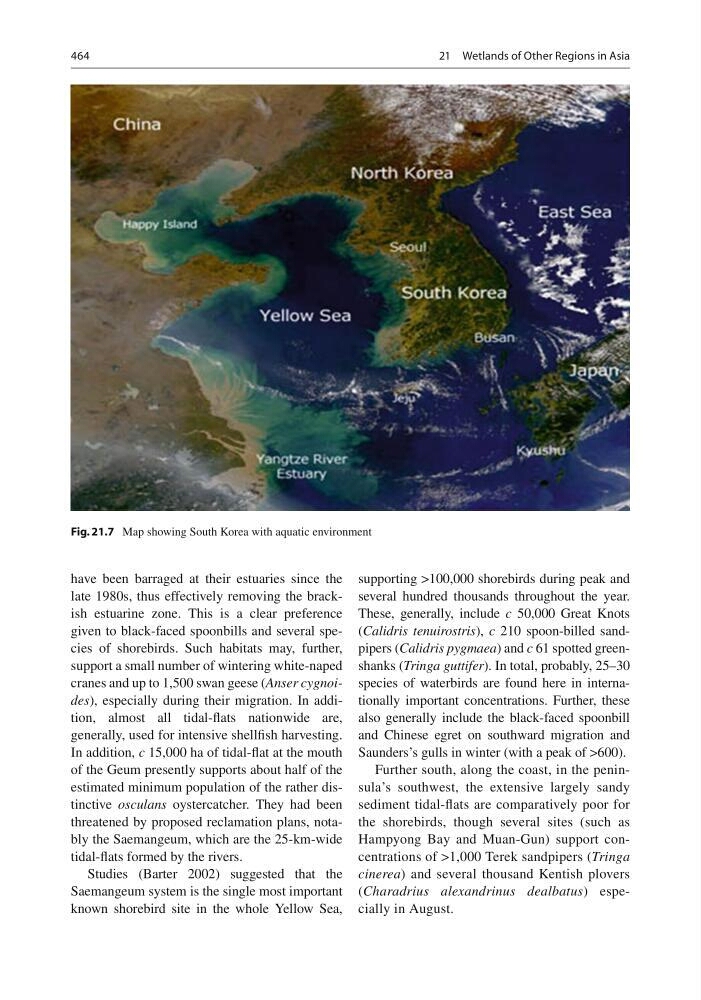
Fig. 21.7 Map showing South Korea with aquatic environment
21 Wetlands of Other Regions in Asia
have been barraged at their estuaries since the
late 1980s, thus effectively removing the brackish estuarine zone. This is a clear preference
given to black-faced spoonbills and several species of shorebirds. Such habitats may, further,
support a small number of wintering white-naped
cranes and up to 1,500 swan geese ( Anser cygnoides ), especially during their migration. In addition, almost all tidal-fl ats nationwide are,
generally, used for intensive shellfi sh harvesting.
In addition, c 15,000 ha of tidal-fl at at the mouth
of the Geum presently supports about half of the
estimated minimum population of the rather distinctive osculans oystercatcher. They had been
threatened by proposed reclamation plans, notably the Saemangeum, which are the 25-km-wide
tidal-fl ats formed by the rivers.
Studies (Barter 2002) suggested that the
Saemangeum system is the single most important
known shorebird site in the whole Yellow Sea,
supporting >100,000 shorebirds during peak and
several hundred thousands throughout the year.
These, generally, include c 50,000 Great Knots
( Calidris tenuirostris ), c 210 spoon-billed sandpipers ( Calidris pygmaea ) and c 61 spotted greenshanks ( Tringa guttifer ). In total, probably, 25–30
species of waterbirds are found here in internationally important concentrations. Further, these
also generally include the black-faced spoonbill
and Chinese egret on southward migration and
Saunders’s gulls in winter (with a peak of >600).
Further south, along the coast, in the peninsula’s southwest, the extensive largely sandy
sediment tidal-fl ats are comparatively poor for
the shorebirds, though several sites (such as
Hampyong Bay and Muan-Gun) support concentrations of >1,000 Terek sandpipers ( Tringa
cinerea ) and several thousand Kentish plovers
( Charadrius alexandrinus dealbatus ) especially in August.
Fig. 21.7 Map showing South Korea with aquatic environment
21 Wetlands of Other Regions in Asia