

423
from 17 to 36 °C, while that of water ranged from
24 to 35 °C. The water pH ranged from 7.4 to 9.0.
DO varied from 2.27 to 13.9 mg/l. Abundance of
gastropods was associated with the occurrence of
fi lamentous algae and permanent hardness
(Sitaramaiah 1965 ).
20.3.19 Sathiar Reservoir in TN
It is a reservoir situated around Madurai in TN.
Physico-chemical characters indicated the lake to
be eutrophic. Besides temperature and transparency, the trophogenic area appears to regulate the
gross primary production of this lake. In Sathiar,
nutrients do not generally limit gross primary
productivity, and the principal factors controlling
it are linked with phytoplankton biomass, water
level changes, etc. (Kannan and Job 1980a , b ).
20.3.20 Pulicat Lake
Pulicat Lake (Telugu, Pulicat Sarassu ; Tamil,
Pazhaverkaadu Eri ) is the second largest brackish water lake or lagoon in India. Pulicat Lake
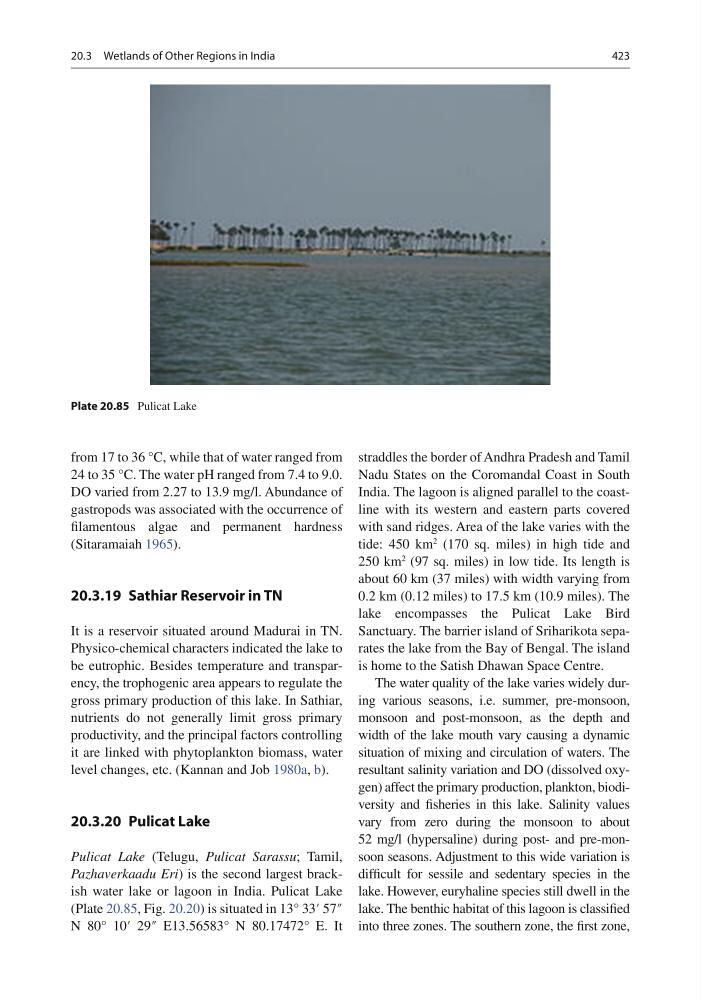
(Plate 20.85 , Fig. 20.20 ) is situated in 13° 33′ 57″
N 80° 10′ 29″ E13.56583° N 80.17472° E. It
straddles the border of Andhra Pradesh and Tamil
Nadu States on the Coromandal Coast in South
India. The lagoon is aligned parallel to the coastline with its western and eastern parts covered
with sand ridges. Area of the lake varies with the
tide: 450 km
2 (170 sq. miles) in high tide and
250 km
2 (97 sq. miles) in low tide. Its length is
about 60 km (37 miles) with width varying from
0.2 km (0.12 miles) to 17.5 km (10.9 miles). The
lake encompasses the Pulicat Lake Bird
Sanctuary. The barrier island of Sriharikota separates the lake from the Bay of Bengal. The island
is home to the Satish Dhawan Space Centre.
The water quality of the lake varies widely during various seasons, i.e. summer, pre- monsoon,
monsoon and post-monsoon, as the depth and
width of the lake mouth vary causing a dynamic
situation of mixing and circulation of waters. The
resultant salinity variation and DO (dissolved oxygen) affect the primary production, plankton, biodiversity and fi sheries in this lake. Salinity values
vary from zero during the monsoon to about
52 mg/l (hypersaline) during post- and pre-monsoon seasons. Adjustment to this wide variation is
diffi cult for sessile and sedentary species in the
lake. However, euryhaline species still dwell in the
lake. The benthic habitat of this lagoon is classifi ed
into three zones. The southern zone, the fi rst zone,
Plate 20.85 Pulicat Lake
20.3 Wetlands of Other Regions in India
from 17 to 36 °C, while that of water ranged from
24 to 35 °C. The water pH ranged from 7.4 to 9.0.
DO varied from 2.27 to 13.9 mg/l. Abundance of
gastropods was associated with the occurrence of
fi lamentous algae and permanent hardness
(Sitaramaiah 1965 ).
20.3.19 Sathiar Reservoir in TN
It is a reservoir situated around Madurai in TN.
Physico-chemical characters indicated the lake to
be eutrophic. Besides temperature and transparency, the trophogenic area appears to regulate the
gross primary production of this lake. In Sathiar,
nutrients do not generally limit gross primary
productivity, and the principal factors controlling
it are linked with phytoplankton biomass, water
level changes, etc. (Kannan and Job 1980a , b ).
20.3.20 Pulicat Lake
Pulicat Lake (Telugu, Pulicat Sarassu ; Tamil,
Pazhaverkaadu Eri ) is the second largest brackish water lake or lagoon in India. Pulicat Lake
(Plate 20.85 , Fig. 20.20 ) is situated in 13° 33′ 57″
N 80° 10′ 29″ E13.56583° N 80.17472° E. It
straddles the border of Andhra Pradesh and Tamil
Nadu States on the Coromandal Coast in South
India. The lagoon is aligned parallel to the coastline with its western and eastern parts covered
with sand ridges. Area of the lake varies with the
tide: 450 km
2 (170 sq. miles) in high tide and
250 km
2 (97 sq. miles) in low tide. Its length is
about 60 km (37 miles) with width varying from
0.2 km (0.12 miles) to 17.5 km (10.9 miles). The
lake encompasses the Pulicat Lake Bird
Sanctuary. The barrier island of Sriharikota separates the lake from the Bay of Bengal. The island
is home to the Satish Dhawan Space Centre.
The water quality of the lake varies widely during various seasons, i.e. summer, pre- monsoon,
monsoon and post-monsoon, as the depth and
width of the lake mouth vary causing a dynamic
situation of mixing and circulation of waters. The
resultant salinity variation and DO (dissolved oxygen) affect the primary production, plankton, biodiversity and fi sheries in this lake. Salinity values
vary from zero during the monsoon to about
52 mg/l (hypersaline) during post- and pre-monsoon seasons. Adjustment to this wide variation is
diffi cult for sessile and sedentary species in the
lake. However, euryhaline species still dwell in the
lake. The benthic habitat of this lagoon is classifi ed
into three zones. The southern zone, the fi rst zone,
Plate 20.85 Pulicat Lake
20.3 Wetlands of Other Regions in India