

1. F. Beraud et al. : New Tools for Diagnosing Underground Pollution
Fosses techniques
PP'=q"'- (riglage du gradient bydrauUque, - -..... .,.,.,..,'"
dtbit, prtl~ .. m.nt d'e.u, ... J
Up tream basin
Longitudinal Cut
k - - - - - - 25m - - - - - - - 1 -1
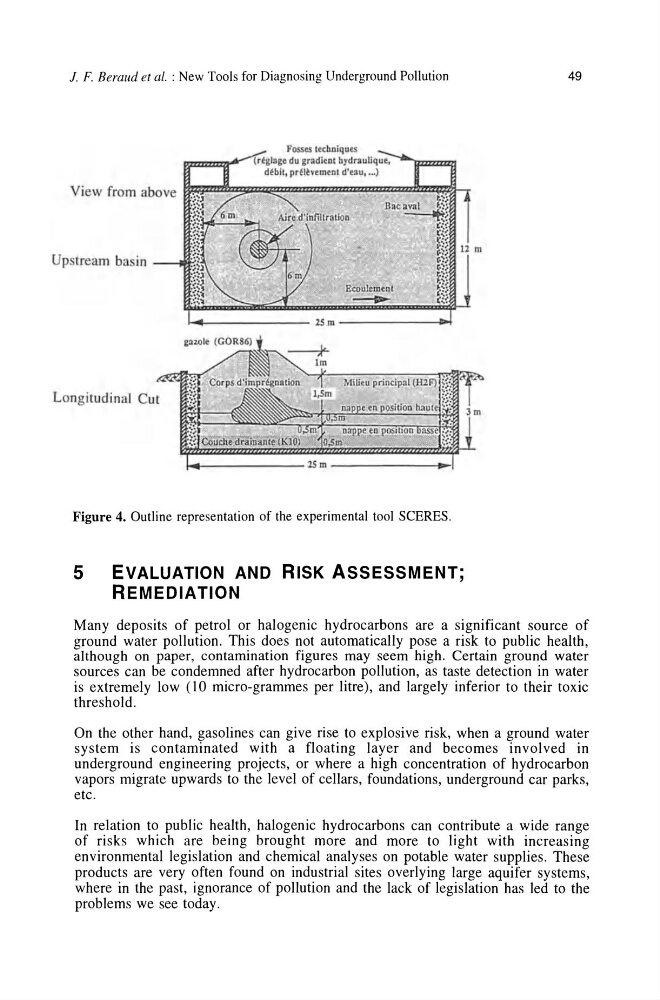
Figure 4. Outline representation of the experimental tool SCERES.
5 EVALUATION AND RISK ASSESSMENT;
REMEDIATION
49
Many deposits of petrol or halogenic hydrocarbons are a significant source of
ground water pollution. This does not automatically pose a risk to public health,
although on paper, contamination figures may seem high. Certain ground water
sources can be condemned after hydrocarbon pollution, as taste detection in water
is extremely low (10 micro-grammes per litre), and largely inferior to their toxic
threshold.
On the other hand, gasolines can give rise to explosive risk, when a ground water
system is contaminated with a floating layer and becomes involved in
underground engineering projects, or where a high concentration of hydrocarbon
vapors migrate upwards to the level of cellars, foundations, underground car parks,
etc.
In relation to public health, halogenic hydrocarbons can contribute a wide range
of risks which are being brought more and more to light with increasing
environmental legislation and chemical analyses on potable water supplies. These
products are very often found on industrial sites overlying large aquifer systems,
where in the past, ignorance of pollution and the lack of legislation has led to the
problems we see today .
Fosses techniques
PP'=q"'- (riglage du gradient bydrauUque, - -..... .,.,.,..,'"
dtbit, prtl~ .. m.nt d'e.u, ... J
Up tream basin
Longitudinal Cut
k - - - - - - 25m - - - - - - - 1 -1
Figure 4. Outline representation of the experimental tool SCERES.
5 EVALUATION AND RISK ASSESSMENT;
REMEDIATION
49
Many deposits of petrol or halogenic hydrocarbons are a significant source of
ground water pollution. This does not automatically pose a risk to public health,
although on paper, contamination figures may seem high. Certain ground water
sources can be condemned after hydrocarbon pollution, as taste detection in water
is extremely low (10 micro-grammes per litre), and largely inferior to their toxic
threshold.
On the other hand, gasolines can give rise to explosive risk, when a ground water
system is contaminated with a floating layer and becomes involved in
underground engineering projects, or where a high concentration of hydrocarbon
vapors migrate upwards to the level of cellars, foundations, underground car parks,
etc.
In relation to public health, halogenic hydrocarbons can contribute a wide range
of risks which are being brought more and more to light with increasing
environmental legislation and chemical analyses on potable water supplies. These
products are very often found on industrial sites overlying large aquifer systems,
where in the past, ignorance of pollution and the lack of legislation has led to the
problems we see today .