

2.2. Cellular Response to Hormones
Secreted hormones can be transported by the bloodstream throughout the
body and modify the biological function of target cells distant from the site
of secretion. Target cells express receptors that have a selective affinity for
a particular hormone. The receptor–hormone complex in target cells triggers a cascade of intracellular biochemical reactions.
6. Hormonal Control of Communication
277
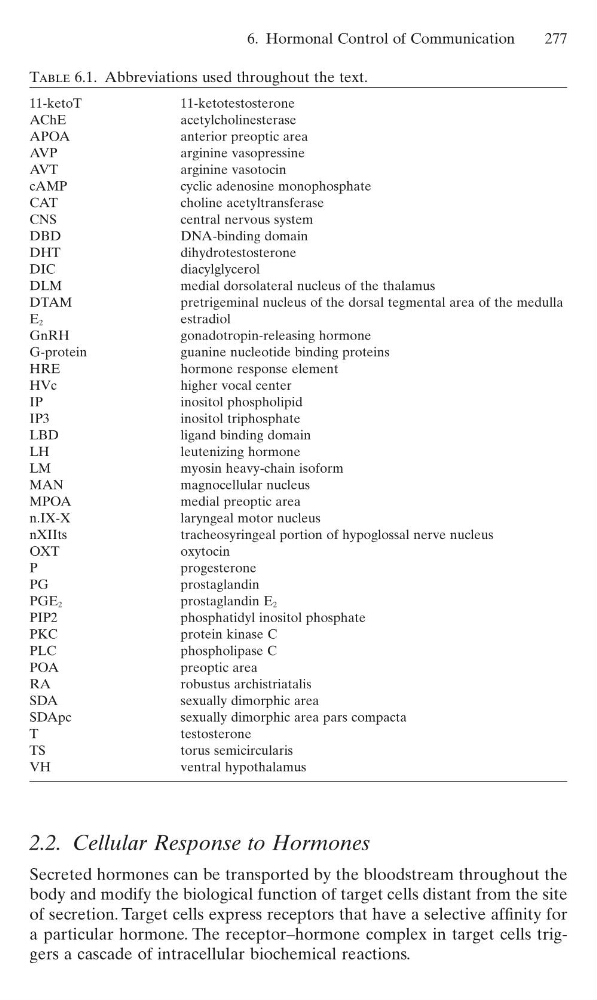
Table 6.1. Abbreviations used throughout the text.
11-ketoT
11-ketotestosterone
AChE
acetylcholinesterase
APOA
anterior preoptic area
AVP
arginine vasopressine
AVT
arginine vasotocin
cAMP
cyclic adenosine monophosphate
CAT
choline acetyltransferase
CNS
central nervous system
DBD
DNA-binding domain
DHT
dihydrotestosterone
DIC
diacylglycerol
DLM
medial dorsolateral nucleus of the thalamus
DTAM
pretrigeminal nucleus of the dorsal tegmental area of the medulla
E 2
estradiol
GnRH
gonadotropin-releasing hormone
G-protein
guanine nucleotide binding proteins
HRE
hormone response element
HVc
higher vocal center
IP
inositol phospholipid
IP3
inositol triphosphate
LBD
ligand binding domain
LH
leutenizing hormone
LM
myosin heavy-chain isoform
MAN
magnocellular nucleus
MPOA
medial preoptic area
n.IX-X
laryngeal motor nucleus
nXIIts
tracheosyringeal portion of hypoglossal nerve nucleus
OXT
oxytocin
P
progesterone
PG
prostaglandin
PGE 2
prostaglandin E 2
PIP2
phosphatidyl inositol phosphate
PKC
protein kinase C
PLC
phospholipase C
POA
preoptic area
RA
robustus archistriatalis
SDA
sexually dimorphic area
SDApc
sexually dimorphic area pars compacta
T
testosterone
TS
torus semicircularis
VH
ventral hypothalamus
Secreted hormones can be transported by the bloodstream throughout the
body and modify the biological function of target cells distant from the site
of secretion. Target cells express receptors that have a selective affinity for
a particular hormone. The receptor–hormone complex in target cells triggers a cascade of intracellular biochemical reactions.
6. Hormonal Control of Communication
277
Table 6.1. Abbreviations used throughout the text.
11-ketoT
11-ketotestosterone
AChE
acetylcholinesterase
APOA
anterior preoptic area
AVP
arginine vasopressine
AVT
arginine vasotocin
cAMP
cyclic adenosine monophosphate
CAT
choline acetyltransferase
CNS
central nervous system
DBD
DNA-binding domain
DHT
dihydrotestosterone
DIC
diacylglycerol
DLM
medial dorsolateral nucleus of the thalamus
DTAM
pretrigeminal nucleus of the dorsal tegmental area of the medulla
E 2
estradiol
GnRH
gonadotropin-releasing hormone
G-protein
guanine nucleotide binding proteins
HRE
hormone response element
HVc
higher vocal center
IP
inositol phospholipid
IP3
inositol triphosphate
LBD
ligand binding domain
LH
leutenizing hormone
LM
myosin heavy-chain isoform
MAN
magnocellular nucleus
MPOA
medial preoptic area
n.IX-X
laryngeal motor nucleus
nXIIts
tracheosyringeal portion of hypoglossal nerve nucleus
OXT
oxytocin
P
progesterone
PG
prostaglandin
PGE 2
prostaglandin E 2
PIP2
phosphatidyl inositol phosphate
PKC
protein kinase C
PLC
phospholipase C
POA
preoptic area
RA
robustus archistriatalis
SDA
sexually dimorphic area
SDApc
sexually dimorphic area pars compacta
T
testosterone
TS
torus semicircularis
VH
ventral hypothalamus