

448
IL. Aroyan et al.
,
\
\
I
,
,
,
,
rigid vvall
210
IitElrs
aIr
, , , ,
\
\
\
\
\
\
I
\
,
,
,
,
,
,
,
,
,
,
,
,
I
:
2000 liters air
I
,.
I
,
\
,
\
,
\
,
\
,
\
,
\
,
,
,
,
,
"
"
pliant membrane
'---.····vvater
oscillating valve
plia!:'! fl}~!,Tlbrane
..........
... ........
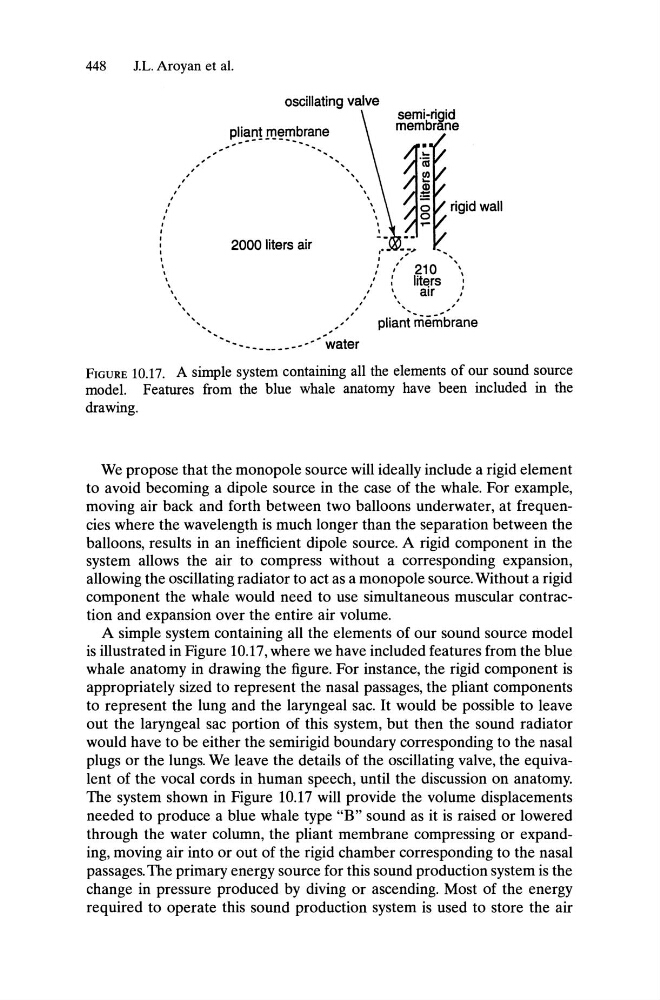
FIGURE 10.17. A simple system containing all the elements of our sound source
model. Features from the blue whale anatomy have been included in the
drawing.
We propose that the monopole source will ideally include a rigid element
to avoid becoming a dipole source in the case of the whale. For example,
moving air back and forth between two balloons underwater, at frequencies where the wavelength is much longer than the separation between the
balloons, results in an inefficient dipole source. A rigid component in the
system allows the air to compress without a corresponding expansion,
allowing the oscillating radiator to act as a monopole source. Without a rigid
component the whale would need to use simultaneous muscular contraction and expansion over the entire air volume.
A simple system containing all the elements of our sound source model
is illustrated in Figure 10.17, where we have included features from the blue
whale anatomy in drawing the figure. For instance, the rigid component is
appropriately sized to represent the nasal passages, the pliant components
to represent the lung and the laryngeal sac. It would be possible to leave
out the laryngeal sac portion of this system, but then the sound radiator
would have to be either the semirigid boundary corresponding to the nasal
plugs or the lungs. We leave the details of the oscillating valve, the equivalent of the vocal cords in human speech, until the discussion on anatomy.
The system shown in Figure 10.17 will provide the volume displacements
needed to produce a blue whale type "B" sound as it is raised or lowered
through the water column, the pliant membrane compressing or expanding, moving air into or out of the rigid chamber corresponding to the nasal
passages. The primary energy source for this sound production system is the
change in pressure produced by diving or ascending. Most of the energy
required to operate this sound production system is used to store the air
IL. Aroyan et al.
,
\
\
I
,
,
,
,
rigid vvall
210
IitElrs
aIr
, , , ,
\
\
\
\
\
\
I
\
,
,
,
,
,
,
,
,
,
,
,
,
I
:
2000 liters air
I
,.
I
,
\
,
\
,
\
,
\
,
\
,
\
,
,
,
,
,
"
"
pliant membrane
'---.····vvater
oscillating valve
plia!:'! fl}~!,Tlbrane
..........
... ........
FIGURE 10.17. A simple system containing all the elements of our sound source
model. Features from the blue whale anatomy have been included in the
drawing.
We propose that the monopole source will ideally include a rigid element
to avoid becoming a dipole source in the case of the whale. For example,
moving air back and forth between two balloons underwater, at frequencies where the wavelength is much longer than the separation between the
balloons, results in an inefficient dipole source. A rigid component in the
system allows the air to compress without a corresponding expansion,
allowing the oscillating radiator to act as a monopole source. Without a rigid
component the whale would need to use simultaneous muscular contraction and expansion over the entire air volume.
A simple system containing all the elements of our sound source model
is illustrated in Figure 10.17, where we have included features from the blue
whale anatomy in drawing the figure. For instance, the rigid component is
appropriately sized to represent the nasal passages, the pliant components
to represent the lung and the laryngeal sac. It would be possible to leave
out the laryngeal sac portion of this system, but then the sound radiator
would have to be either the semirigid boundary corresponding to the nasal
plugs or the lungs. We leave the details of the oscillating valve, the equivalent of the vocal cords in human speech, until the discussion on anatomy.
The system shown in Figure 10.17 will provide the volume displacements
needed to produce a blue whale type "B" sound as it is raised or lowered
through the water column, the pliant membrane compressing or expanding, moving air into or out of the rigid chamber corresponding to the nasal
passages. The primary energy source for this sound production system is the
change in pressure produced by diving or ascending. Most of the energy
required to operate this sound production system is used to store the air