

232
D.L. Herzing
Low Frequency
(most known energy < 2 kHz)
Sounds < 1 sec
Sounds> 1 sec
High Frequency
(most known energy> 2kHz)
Sounds < 1 sec
Sounds> 1 sec
O'acks. Squeaks
Whimper
GJlps
SCreech
Pops
Chu1ls (Ia)
Thunks
Tail-slaps (Nv)
Whistle-squawks
Barks
SqJawks
Squawks, SCrea-ns.
Jaw-claps (Nv)
SJrt ace Hit s (Nv)
Body cavitati on (Nv)
Raspberries (Ia)
SqJawks
Chirps
PUsed screams
Glnital buzz
Yelps
A ffiJiat ive
reunions
broadcast
E
socialize
::l
::l
sexual
c:
... c: 0 Neutral
()
16
rest
0
'5
co
forage
.c
~
travel
Aggressive
fear
arousal
lI'YlOY!I1CEl
alarm
fight
Low-frequency
narrow-band
Clcks
Click tr ains
Oicks
Trills
Chirps
Sgnature whistles
Freq-moOOlated whistles
ClIck t rainS/ Razor buzz
* la = In-air vocalizations, Nv = non-vocal sounds
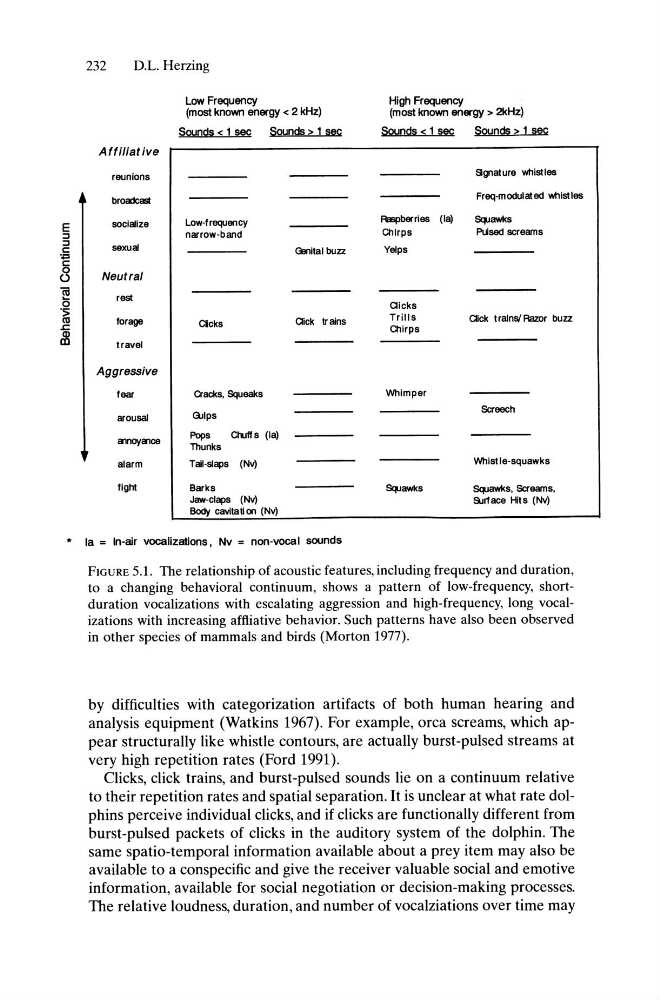
FIGURE 5.1. The relationship of acoustic features, including frequency and duration,
to a changing behavioral continuum, shows a pattern of low-frequency, shortduration vocalizations with escalating aggression and high-frequency, long vocalizations with increasing afftiative behavior. Such patterns have also been observed
in other species of mammals and birds (Morton 1977).
by difficulties with categorization artifacts of both human hearing and
analysis equipment (Watkins 1967). For example, orca screams, which appear structurally like whistle contours, are actually burst-pulsed streams at
very high repetition rates (Ford 1991).
Clicks, click trains, and burst-pulsed sounds lie on a continuum relative
to their repetition rates and spatial separation. It is unclear at what rate dolphins perceive individual clicks, and if clicks are functionally different from
burst-pulsed packets of clicks in the auditory system of the dolphin. The
same spatio-temporal information available about a prey item may also be
available to a conspecific and give the receiver valuable social and emotive
information, available for social negotiation or decision-making processes.
The relative loudness, duration, and number of vocalziations over time may
D.L. Herzing
Low Frequency
(most known energy < 2 kHz)
Sounds < 1 sec
Sounds> 1 sec
High Frequency
(most known energy> 2kHz)
Sounds < 1 sec
Sounds> 1 sec
O'acks. Squeaks
Whimper
GJlps
SCreech
Pops
Chu1ls (Ia)
Thunks
Tail-slaps (Nv)
Whistle-squawks
Barks
SqJawks
Squawks, SCrea-ns.
Jaw-claps (Nv)
SJrt ace Hit s (Nv)
Body cavitati on (Nv)
Raspberries (Ia)
SqJawks
Chirps
PUsed screams
Glnital buzz
Yelps
A ffiJiat ive
reunions
broadcast
E
socialize
::l
::l
sexual
c:
... c: 0 Neutral
()
16
rest
0
'5
co
forage
.c
~
travel
Aggressive
fear
arousal
lI'YlOY!I1CEl
alarm
fight
Low-frequency
narrow-band
Clcks
Click tr ains
Oicks
Trills
Chirps
Sgnature whistles
Freq-moOOlated whistles
ClIck t rainS/ Razor buzz
* la = In-air vocalizations, Nv = non-vocal sounds
FIGURE 5.1. The relationship of acoustic features, including frequency and duration,
to a changing behavioral continuum, shows a pattern of low-frequency, shortduration vocalizations with escalating aggression and high-frequency, long vocalizations with increasing afftiative behavior. Such patterns have also been observed
in other species of mammals and birds (Morton 1977).
by difficulties with categorization artifacts of both human hearing and
analysis equipment (Watkins 1967). For example, orca screams, which appear structurally like whistle contours, are actually burst-pulsed streams at
very high repetition rates (Ford 1991).
Clicks, click trains, and burst-pulsed sounds lie on a continuum relative
to their repetition rates and spatial separation. It is unclear at what rate dolphins perceive individual clicks, and if clicks are functionally different from
burst-pulsed packets of clicks in the auditory system of the dolphin. The
same spatio-temporal information available about a prey item may also be
available to a conspecific and give the receiver valuable social and emotive
information, available for social negotiation or decision-making processes.
The relative loudness, duration, and number of vocalziations over time may