

391
14.3.8 Atlantic Goliath Grouper in Aquaculture and in Public
Aquariums
In the past years, aquaculture studies with Epinephelus itajara are taking place in
Brazil through a partnership between the Instituto de Pesca de São Paulo (São
Paulo Fishing Institute) and the Projeto Meros do Brasil. This research has two
main goals related to the species conservation: first, providing captive breeding
fingerlings to studies of physiology, development, settlement preferences, among
others; second, developing a protocol for Goliath Grouper aquaculture, helping the
development of Brazilian mariculture, reducing the fishing impact on wild populations, besides creating minimum criteria to maintain Goliath Grouper in public
aquariums. The results found so far, are the first steps to the success of the reproduction of the Goliath Grouper in captivity.
World fish production (fishing + aquaculture) was 167 million tons in 2014, generating US$ 600 billion, seven times higher than cattle industry business (MPA
2015). Aquaculture was responsible for 73 million tons of consumed fish in the
world in the year of 2014 (FAO 2016), thus becoming the most growing livestock
activity in Brazil and in the world (FAO 2013; SEBRAE 2015). With a growth rate
of 5% per year, it is now considered one of the main sources of protein capable to
provide the crescent demand for animal protein, because it is more effective, producing up to 250 tons per hectare, and because it generates less environmental
impact than present production of cattle, pigs, and poultry (FAO 2013, 2014; MPA
2015). Sustainable fish farming is considered an important strategy to economical
development of artisanal fishermen under favorable environmental conditions
15
14
13
12
11
d 15
N values
d 15
N values
d 15
N values
d
15
N values
10
9
8
15
14
13
12
11
10
0
0.5
1
1.5
Age
2
2.5
3
15
14
13
12
11
10
9
8
7
6
15
14
13
12
11
10
9
8
7
6
0 0.5 1 1.5 2 2.5 3 3.5 4 4.5 5
0 0.5 1 1.5 2 2.5 3 3.5 4 4.5 5
0
0.5
1
1.5
Age
p = 0.0200
p = 0.0040
p = 0.3000
p = 0.0001
Age
Age
2
y = 0.6889x + 9.9346
y = 1.005x + 10.3
R 2 = 0.2122
R 2 = 0.8747
y = 0.9642x + 11.115
R 2 = 0.279
y = 0.791x + 7.1458
R 2 = 0.5839
2.5
3
a
b
d
c
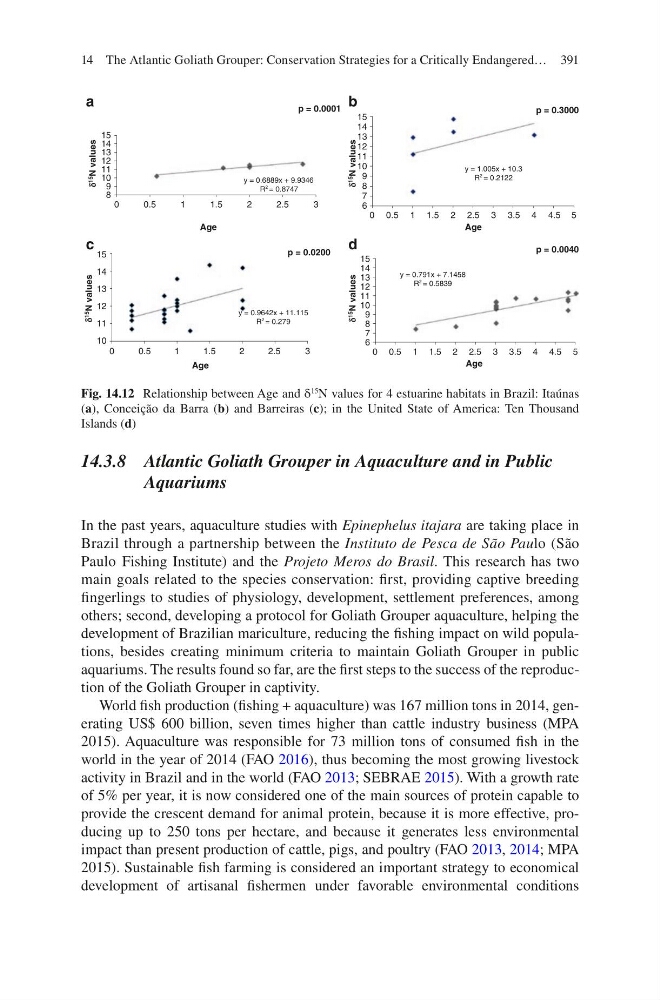
Fig. 14.12 Relationship between Age and δ
15 N values for 4 estuarine habitats in Brazil: Itaúnas
(a), Conceição da Barra (b) and Barreiras (c); in the United State of America: Ten Thousand
Islands (d)
14 The Atlantic Goliath Grouper: Conservation Strategies for a Critically Endangered…
14.3.8 Atlantic Goliath Grouper in Aquaculture and in Public
Aquariums
In the past years, aquaculture studies with Epinephelus itajara are taking place in
Brazil through a partnership between the Instituto de Pesca de São Paulo (São
Paulo Fishing Institute) and the Projeto Meros do Brasil. This research has two
main goals related to the species conservation: first, providing captive breeding
fingerlings to studies of physiology, development, settlement preferences, among
others; second, developing a protocol for Goliath Grouper aquaculture, helping the
development of Brazilian mariculture, reducing the fishing impact on wild populations, besides creating minimum criteria to maintain Goliath Grouper in public
aquariums. The results found so far, are the first steps to the success of the reproduction of the Goliath Grouper in captivity.
World fish production (fishing + aquaculture) was 167 million tons in 2014, generating US$ 600 billion, seven times higher than cattle industry business (MPA
2015). Aquaculture was responsible for 73 million tons of consumed fish in the
world in the year of 2014 (FAO 2016), thus becoming the most growing livestock
activity in Brazil and in the world (FAO 2013; SEBRAE 2015). With a growth rate
of 5% per year, it is now considered one of the main sources of protein capable to
provide the crescent demand for animal protein, because it is more effective, producing up to 250 tons per hectare, and because it generates less environmental
impact than present production of cattle, pigs, and poultry (FAO 2013, 2014; MPA
2015). Sustainable fish farming is considered an important strategy to economical
development of artisanal fishermen under favorable environmental conditions
15
14
13
12
11
d 15
N values
d 15
N values
d 15
N values
d
15
N values
10
9
8
15
14
13
12
11
10
0
0.5
1
1.5
Age
2
2.5
3
15
14
13
12
11
10
9
8
7
6
15
14
13
12
11
10
9
8
7
6
0 0.5 1 1.5 2 2.5 3 3.5 4 4.5 5
0 0.5 1 1.5 2 2.5 3 3.5 4 4.5 5
0
0.5
1
1.5
Age
p = 0.0200
p = 0.0040
p = 0.3000
p = 0.0001
Age
Age
2
y = 0.6889x + 9.9346
y = 1.005x + 10.3
R 2 = 0.2122
R 2 = 0.8747
y = 0.9642x + 11.115
R 2 = 0.279
y = 0.791x + 7.1458
R 2 = 0.5839
2.5
3
a
b
d
c
Fig. 14.12 Relationship between Age and δ
15 N values for 4 estuarine habitats in Brazil: Itaúnas
(a), Conceição da Barra (b) and Barreiras (c); in the United State of America: Ten Thousand
Islands (d)
14 The Atlantic Goliath Grouper: Conservation Strategies for a Critically Endangered…