

304
in traveling activities and interacting with passing boats. They also observed in two
occasion rough-tooted dolphins and false-killer whales highlighting the need for
long-term monitoring in the area.
In Gandoca-Manzanillo Wildlife Refuge dolphin sightings are common within
and nearby the refuge. Here the majority of the sightings are Guiana dolphins followed by bottlenose dolphins (Gamboa-Poveda 2009). Other species such as the
dwarf sperm whale, Atlantic spotted dolphins, and rough-tooted dolphins have been
observed occasionally within the refuge (Palacios-Alfaro 2007b). While the bottlenose dolphin is observed throughout the Caribbean coast, the Guiana dolphin
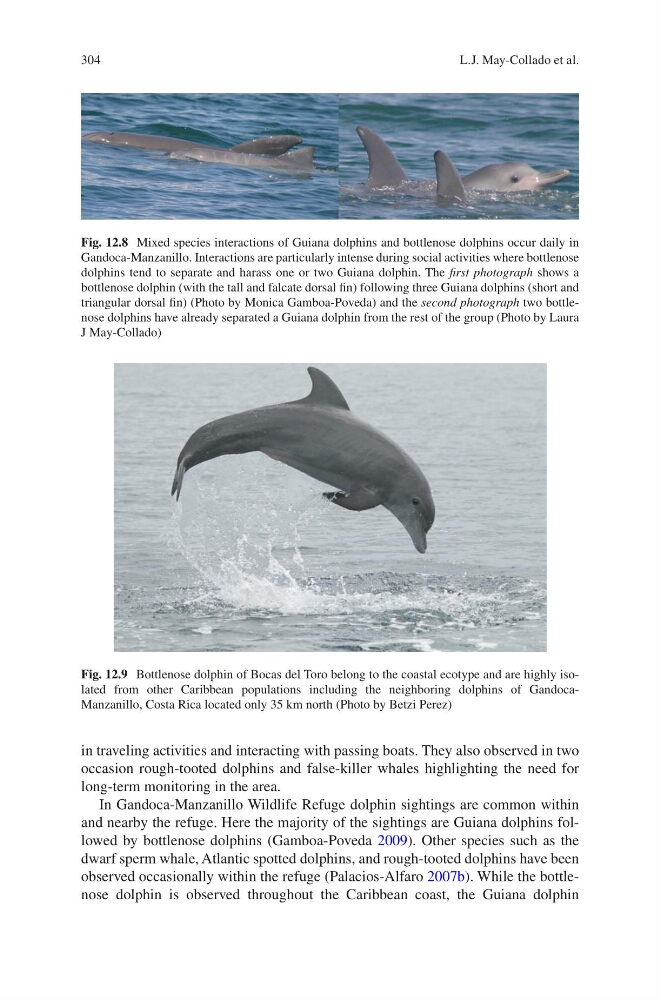
Fig. 12.8 Mixed species interactions of Guiana dolphins and bottlenose dolphins occur daily in
Gandoca-Manzanillo. Interactions are particularly intense during social activities where bottlenose
dolphins tend to separate and harass one or two Guiana dolphin. The first photograph shows a
bottlenose dolphin (with the tall and falcate dorsal fin) following three Guiana dolphins (short and
triangular dorsal fin) (Photo by Monica Gamboa-Poveda) and the second photograph two bottlenose dolphins have already separated a Guiana dolphin from the rest of the group (Photo by Laura
J May-Collado)
Fig. 12.9 Bottlenose dolphin of Bocas del Toro belong to the coastal ecotype and are highly isolated from other Caribbean populations including the neighboring dolphins of GandocaManzanillo, Costa Rica located only 35 km north (Photo by Betzi Perez)
L.J. May-Collado et al.
in traveling activities and interacting with passing boats. They also observed in two
occasion rough-tooted dolphins and false-killer whales highlighting the need for
long-term monitoring in the area.
In Gandoca-Manzanillo Wildlife Refuge dolphin sightings are common within
and nearby the refuge. Here the majority of the sightings are Guiana dolphins followed by bottlenose dolphins (Gamboa-Poveda 2009). Other species such as the
dwarf sperm whale, Atlantic spotted dolphins, and rough-tooted dolphins have been
observed occasionally within the refuge (Palacios-Alfaro 2007b). While the bottlenose dolphin is observed throughout the Caribbean coast, the Guiana dolphin
Fig. 12.8 Mixed species interactions of Guiana dolphins and bottlenose dolphins occur daily in
Gandoca-Manzanillo. Interactions are particularly intense during social activities where bottlenose
dolphins tend to separate and harass one or two Guiana dolphin. The first photograph shows a
bottlenose dolphin (with the tall and falcate dorsal fin) following three Guiana dolphins (short and
triangular dorsal fin) (Photo by Monica Gamboa-Poveda) and the second photograph two bottlenose dolphins have already separated a Guiana dolphin from the rest of the group (Photo by Laura
J May-Collado)
Fig. 12.9 Bottlenose dolphin of Bocas del Toro belong to the coastal ecotype and are highly isolated from other Caribbean populations including the neighboring dolphins of GandocaManzanillo, Costa Rica located only 35 km north (Photo by Betzi Perez)
L.J. May-Collado et al.