

Blood Cells
Blood is composed of humoral (plasma) and cellular (blood
cell) components. In contrast to mammals, fish red blood
cells (erythrocytes) are nucleated and ovoid in shape,
13–16 μm long and 7–10 μm broad. Erythrocyte numbers
may vary, but are usually in the range of 1.05 Â 10
6 –3.0
 10
6 mm
3 . Giemsa staining shows that mature cells have a
dense chromatin, purple-red centrally-located nucleus, and a
clear homogenous, light red cytoplasm. The later reflects the
absence of organelles and the quantity of haemoglobin present which in mature cells is very abundant. The peripheral
blood is mainly composed of mature erythrocytes, although
immature and developmental stages can be distinguished.
Immature erythrocytes are known as reticulocytes, they are
rounder with a relatively larger nucleus. Five categories can
be recognized based on structure, distribution and quantity
of basophilic substances within their cytoplasm. Normally,
these represent about 1 % of the total count in healthy fish.
Lymphocytes in fish constitute 70–90 % of the total
number of leucocytes. Lymphocytes are arbitrarily separated
into categories of large (10–15 μm diameter) and small
(7–10 μm diameter), which may represent different functional stages. The round or oval nucleus virtually occupies
the whole cell leaving a narrow margin of basophilic
cytoplasm. The cytoplasm may show pseudopodia-like projections on the surface. Both T and B lymphocytes forms are
recognised in fish, playing a most significant role in the
innate and the acquired immune responses.
Thrombocytes are responsible for blood clotting and are
important in homeostasis and defence. Typically they are
elongated but can be also be spindle-shaped and ovoid, with
an indentation. They are of variable size (5–8 μm long) with
a light basophilic rim of cytoplasm and a densely staining
nucleus that occupies most of the cell. Between 1 and 6 % of
the total white cells in rainbow trout are thrombocytes.
Neutrophils are morphologically similar to those in
mammals and are commonly found at sites of inflammation.
The eccentric nucleus is often kidney-shaped, although in
mature cells two or five lobed nuclei may be recognized
which are connected to each other by threads of nuclear
material. These cells vary from 4 to 13 μm in diameter.
There is evidence of phagocytic capacity in Atlantic salmon
however much lower than the ‘professional’ macrophages,
therefore unlikely that phagocytosis is their primary function.
Their role seems to be more important in extracellular killing
through enzymatic and other antimicrobial secretions.
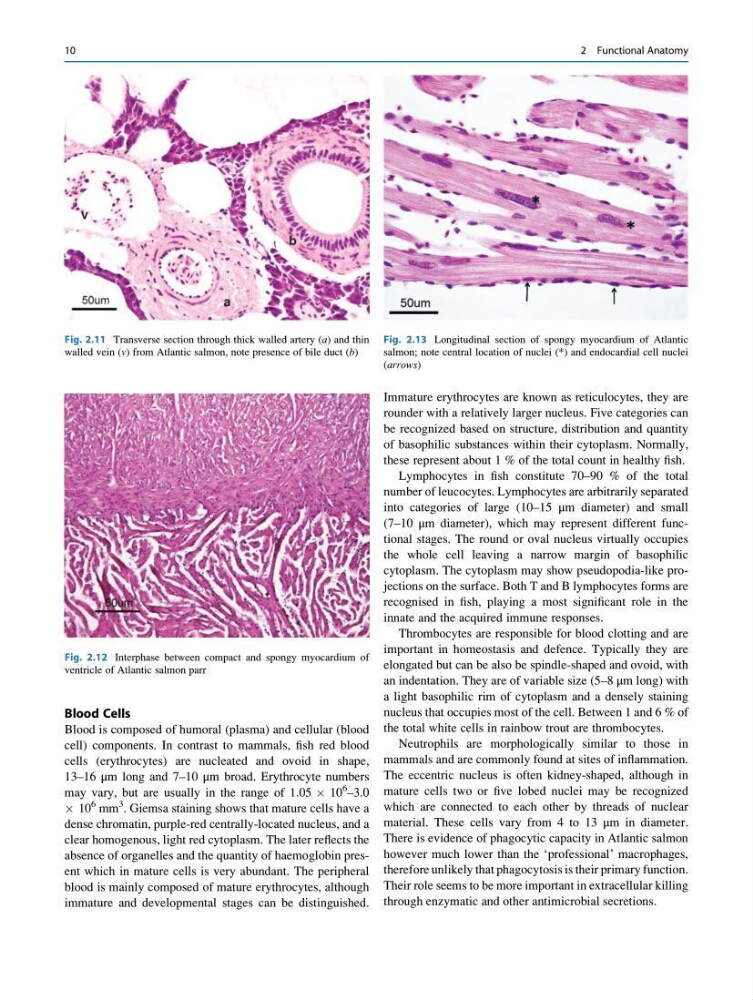
Fig. 2.12 Interphase between compact and spongy myocardium of
ventricle of Atlantic salmon parr
Fig. 2.13 Longitudinal section of spongy myocardium of Atlantic
salmon; note central location of nuclei (*) and endocardial cell nuclei
(arrows)
Fig. 2.11 Transverse section through thick walled artery (a) and thin
walled vein (v) from Atlantic salmon, note presence of bile duct (b)
10
2 Functional Anatomy
Blood is composed of humoral (plasma) and cellular (blood
cell) components. In contrast to mammals, fish red blood
cells (erythrocytes) are nucleated and ovoid in shape,
13–16 μm long and 7–10 μm broad. Erythrocyte numbers
may vary, but are usually in the range of 1.05 Â 10
6 –3.0
 10
6 mm
3 . Giemsa staining shows that mature cells have a
dense chromatin, purple-red centrally-located nucleus, and a
clear homogenous, light red cytoplasm. The later reflects the
absence of organelles and the quantity of haemoglobin present which in mature cells is very abundant. The peripheral
blood is mainly composed of mature erythrocytes, although
immature and developmental stages can be distinguished.
Immature erythrocytes are known as reticulocytes, they are
rounder with a relatively larger nucleus. Five categories can
be recognized based on structure, distribution and quantity
of basophilic substances within their cytoplasm. Normally,
these represent about 1 % of the total count in healthy fish.
Lymphocytes in fish constitute 70–90 % of the total
number of leucocytes. Lymphocytes are arbitrarily separated
into categories of large (10–15 μm diameter) and small
(7–10 μm diameter), which may represent different functional stages. The round or oval nucleus virtually occupies
the whole cell leaving a narrow margin of basophilic
cytoplasm. The cytoplasm may show pseudopodia-like projections on the surface. Both T and B lymphocytes forms are
recognised in fish, playing a most significant role in the
innate and the acquired immune responses.
Thrombocytes are responsible for blood clotting and are
important in homeostasis and defence. Typically they are
elongated but can be also be spindle-shaped and ovoid, with
an indentation. They are of variable size (5–8 μm long) with
a light basophilic rim of cytoplasm and a densely staining
nucleus that occupies most of the cell. Between 1 and 6 % of
the total white cells in rainbow trout are thrombocytes.
Neutrophils are morphologically similar to those in
mammals and are commonly found at sites of inflammation.
The eccentric nucleus is often kidney-shaped, although in
mature cells two or five lobed nuclei may be recognized
which are connected to each other by threads of nuclear
material. These cells vary from 4 to 13 μm in diameter.
There is evidence of phagocytic capacity in Atlantic salmon
however much lower than the ‘professional’ macrophages,
therefore unlikely that phagocytosis is their primary function.
Their role seems to be more important in extracellular killing
through enzymatic and other antimicrobial secretions.
Fig. 2.12 Interphase between compact and spongy myocardium of
ventricle of Atlantic salmon parr
Fig. 2.13 Longitudinal section of spongy myocardium of Atlantic
salmon; note central location of nuclei (*) and endocardial cell nuclei
(arrows)
Fig. 2.11 Transverse section through thick walled artery (a) and thin
walled vein (v) from Atlantic salmon, note presence of bile duct (b)
10
2 Functional Anatomy