

observed. The tissue may become oedematous, with a mild
inflammatory response and occasional aneurysms.
In the farm environment, husbandry induced fin and skin
damage can occur, although measures are generally in place
such that these factors are kept to a minimum. Examples of
production related damage in Atlantic salmon include frayed
or damaged fins, scale loss and scrapes and are shown in
Fig. 10.2
10.1.2 Jellyfish
Fish reared in the marine environment can come into contact
with true jellyfish. Depending on prevailing environmental
conditions single animals or large swarms can be moved
against the side of sea cages. Small jellyfish can be washed
into cages whereas larger jellyfish tend to be break into
pieces and tentacles or parts of tentacles enter the cages.
In some cases the quantity of jellyfish can result in anoxia in
the cages or obstruct respiration causing respiratory distress.
Traumatic enucleation of the eye and marks on the side of
the fish are also reported.
Several species of jellyfish have been associated with
major loss of farmed Atlantic salmon, e.g. Aurelia aurita,
Cyaneae capillata, Pelagia noctiluca and Phialella
quadrata. Throughout European waters Muggiaea atlantica,
P. noctiluca and Solmaris corona have contributed to significant loss in farmed fish. Blooms of C. capillata represent
serious welfare issues due the irritant whiplash-like injuries
inflicted by nematocysts of broken tentacles passing over the
surface of the fish. P. quadrata (>15 mm in diameter) can
pass through the mesh of sea cages and consequently sucked
into the mouth of fish during respiration. At autopsy, as
many as 40 jellyfish have been reported in the stomach of
individual fish. In addition this species probably acts as a
vector for the bacterium, Tenacibaculum maritimum.
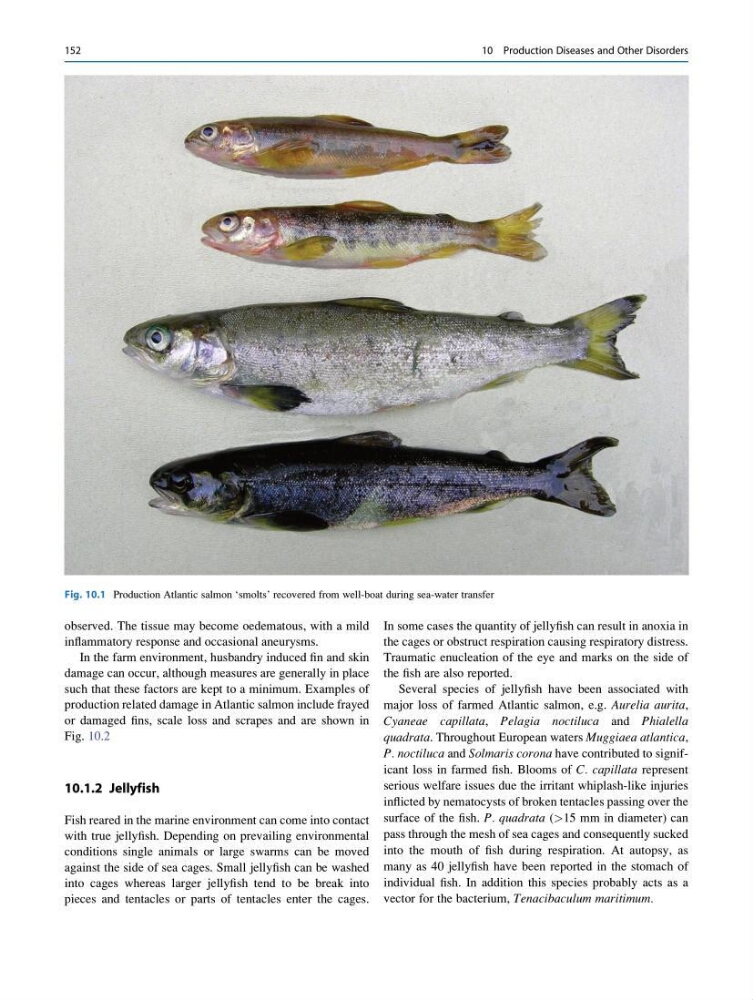
Fig. 10.1 Production Atlantic salmon ‘smolts’ recovered from well-boat during sea-water transfer
152
10 Production Diseases and Other Disorders
inflammatory response and occasional aneurysms.
In the farm environment, husbandry induced fin and skin
damage can occur, although measures are generally in place
such that these factors are kept to a minimum. Examples of
production related damage in Atlantic salmon include frayed
or damaged fins, scale loss and scrapes and are shown in
Fig. 10.2
10.1.2 Jellyfish
Fish reared in the marine environment can come into contact
with true jellyfish. Depending on prevailing environmental
conditions single animals or large swarms can be moved
against the side of sea cages. Small jellyfish can be washed
into cages whereas larger jellyfish tend to be break into
pieces and tentacles or parts of tentacles enter the cages.
In some cases the quantity of jellyfish can result in anoxia in
the cages or obstruct respiration causing respiratory distress.
Traumatic enucleation of the eye and marks on the side of
the fish are also reported.
Several species of jellyfish have been associated with
major loss of farmed Atlantic salmon, e.g. Aurelia aurita,
Cyaneae capillata, Pelagia noctiluca and Phialella
quadrata. Throughout European waters Muggiaea atlantica,
P. noctiluca and Solmaris corona have contributed to significant loss in farmed fish. Blooms of C. capillata represent
serious welfare issues due the irritant whiplash-like injuries
inflicted by nematocysts of broken tentacles passing over the
surface of the fish. P. quadrata (>15 mm in diameter) can
pass through the mesh of sea cages and consequently sucked
into the mouth of fish during respiration. At autopsy, as
many as 40 jellyfish have been reported in the stomach of
individual fish. In addition this species probably acts as a
vector for the bacterium, Tenacibaculum maritimum.
Fig. 10.1 Production Atlantic salmon ‘smolts’ recovered from well-boat during sea-water transfer
152
10 Production Diseases and Other Disorders