

36
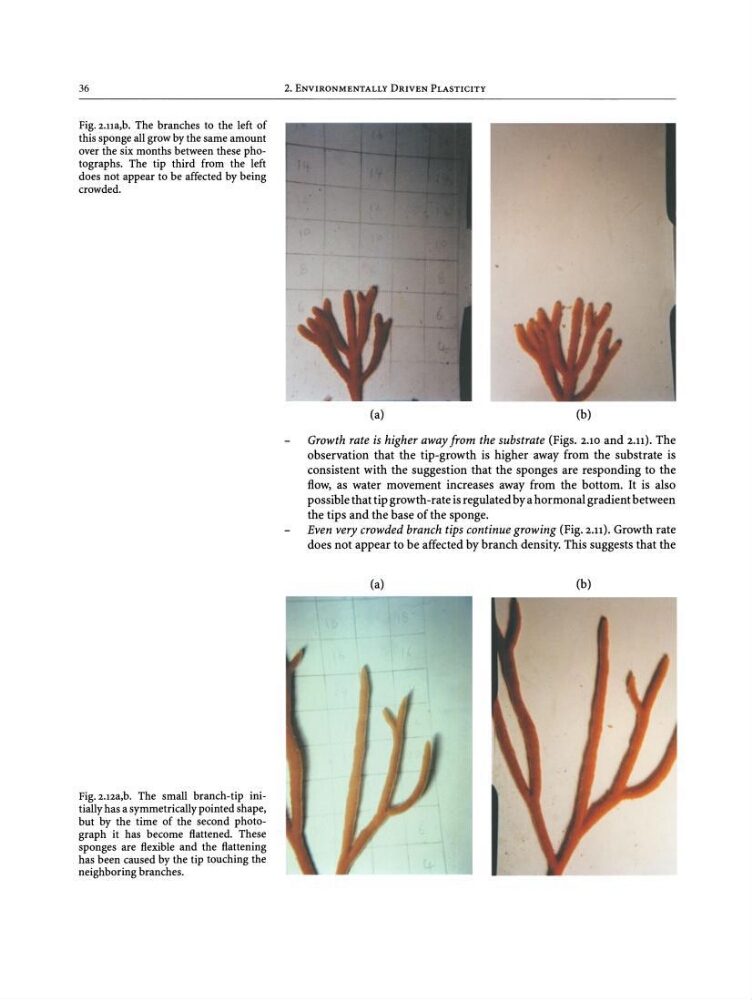
Fig.2.11a,b. The branches to the left of
this sponge all growby the same amount
over the six months between these photographs. The tip third from the left
does not appear to be affected by being
crowded.
2. ENVIRONMENTALLY DRIVEN PLASTICITY
(a)
(b)
Growth rate is higher away from the substrate (Figs. 2.10 and 2 .11). The
observation that the tip-growth is higher away from the substrate is
consistent with the suggestion that the sponges are responding to the
flow, as water movement increases away from the bottom. It is also
possible that tip growth-rate is regulated bya hormonal gradient between
the tips and the base of the sponge.
Even very crowded branch tips continue growing (Fig. 2.11) . Growth rate
does not appear to be affected by branch density. This suggests that the
Pig.z.iza.b. The small branch-tip initiallyhas a symmetricallypointed shape,
but by the time of the second photograph it has become flattened. These
sponges are flexible and the flattening
has been caused by the tip touching the
neighboring branches.
(a)
(b)
Fig.2.11a,b. The branches to the left of
this sponge all growby the same amount
over the six months between these photographs. The tip third from the left
does not appear to be affected by being
crowded.
2. ENVIRONMENTALLY DRIVEN PLASTICITY
(a)
(b)
Growth rate is higher away from the substrate (Figs. 2.10 and 2 .11). The
observation that the tip-growth is higher away from the substrate is
consistent with the suggestion that the sponges are responding to the
flow, as water movement increases away from the bottom. It is also
possible that tip growth-rate is regulated bya hormonal gradient between
the tips and the base of the sponge.
Even very crowded branch tips continue growing (Fig. 2.11) . Growth rate
does not appear to be affected by branch density. This suggests that the
Pig.z.iza.b. The small branch-tip initiallyhas a symmetricallypointed shape,
but by the time of the second photograph it has become flattened. These
sponges are flexible and the flattening
has been caused by the tip touching the
neighboring branches.
(a)
(b)