

168
~ 2·5
>i: 2.0
u
00
';; 1·5
.9
S 1.0
<.:
'u
-;;; 0.5 LL.;~~~_~_~_~_ _
u
2)
24
25
26
27
28
29
Annual SST (O e )
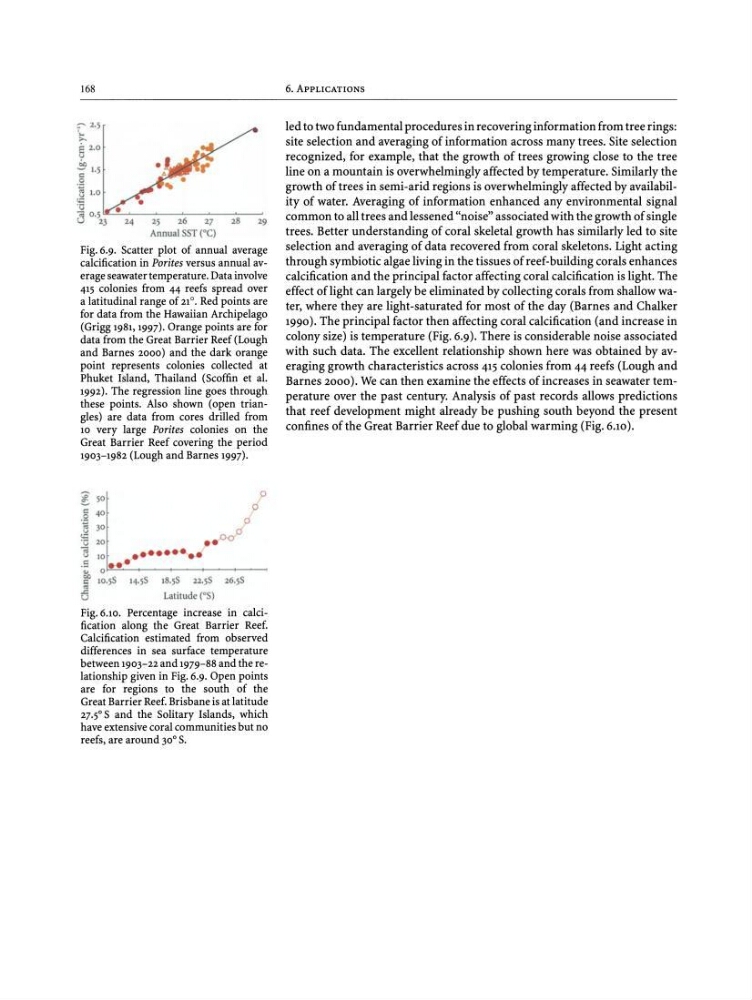
Fig.6 .9. Scatter plot of annual average
calcification in Porites versus annual averageseawatertemperature. Datainvolve
415 colonies from 44 reefs spread over
a latitudinal range of 21°. Red points are
for data from the Hawaiian Archipelago
(Grigg1981, 1997). Orange points are for
data from the Great Barrier Reef(Lough
and Barnes 2000) and the dark orange
point represents colonies collected at
Phuket Island, Thailand (Scoffin et a1.
1992). The regression line goes through
these points. Also shown (open triangles) are data from cores drilled from
10 very large Porites colonies on the
Great Barrier Reef covering the period
1903-1982 (Loughand Barnes 1997).
~ 50
P
=
0
.9 40
0
a ) 0
0
!' 5 20
•• 00
e 10 • • • • • • • • •
.::
...
~o l=='------+-----+--;; 10.55 14.55 18.55 22.55 26.55
\5
Latitude (°S)
Fig.6.10. Percentage increase in calcification along the Great Barrier Reef.
Calcification estimated from observed
differences in sea surface temperature
between1903-22 and 1979-88 and the relationship given in Fig.6.9. Open points
are for regions to the south of the
GreatBarrier Reef. Brisbaneis at latitude
27.5° S and the Solitary Islands, which
haveextensive coral communitiesbut no
reefs, are around 30°S.
6. ApPLICATIONS
led to two fundamental procedures in recovering information from tree rings:
site selection and averaging of information across many trees. Site selection
recognized, for example, that the growth of trees growing close to the tree
line on a mountain is overwhelmingly affected by temperature. Similarly the
growth of trees in semi-arid regions is overwhelmingly affected by availability of water. Averaging of information enhanced any environmental signal
common to all trees and lessened "noise" associated with the growth of single
trees. Better understanding of coral skeletal growth has similarly led to site
selection and averaging of data recovered from coral skeletons. Light acting
through symbiotic algae living in the tissues of reef-building corals enhances
calcification and the principal factor affecting coral calcification is light. The
effect oflight can largely be eliminated by collecting corals from shallow water, where they are light-saturated for most of the day (Barnes and Chalker
1990). The principal factor then affecting coral calcification (and increase in
colony size) is temperature (Fig. 6.9). There is considerable noise associated
with such data. The excellent relationship shown here was obtained by averaging growth characteristics across 415 colonies from 44 reefs (Lough and
Barnes 2000) . We can then examine the effects of increases in seawater temperature over the past century. Analysis of past records allows predictions
that reef development might already be pushing south beyond the present
confines of the Great Barrier Reef due to global warming (Fig. 6.10).
~ 2·5
>i: 2.0
u
00
';; 1·5
.9
S 1.0
<.:
'u
-;;; 0.5 LL.;~~~_~_~_~_ _
u
2)
24
25
26
27
28
29
Annual SST (O e )
Fig.6 .9. Scatter plot of annual average
calcification in Porites versus annual averageseawatertemperature. Datainvolve
415 colonies from 44 reefs spread over
a latitudinal range of 21°. Red points are
for data from the Hawaiian Archipelago
(Grigg1981, 1997). Orange points are for
data from the Great Barrier Reef(Lough
and Barnes 2000) and the dark orange
point represents colonies collected at
Phuket Island, Thailand (Scoffin et a1.
1992). The regression line goes through
these points. Also shown (open triangles) are data from cores drilled from
10 very large Porites colonies on the
Great Barrier Reef covering the period
1903-1982 (Loughand Barnes 1997).
~ 50
P
=
0
.9 40
0
a ) 0
0
!' 5 20
•• 00
e 10 • • • • • • • • •
.::
...
~o l=='------+-----+--;; 10.55 14.55 18.55 22.55 26.55
\5
Latitude (°S)
Fig.6.10. Percentage increase in calcification along the Great Barrier Reef.
Calcification estimated from observed
differences in sea surface temperature
between1903-22 and 1979-88 and the relationship given in Fig.6.9. Open points
are for regions to the south of the
GreatBarrier Reef. Brisbaneis at latitude
27.5° S and the Solitary Islands, which
haveextensive coral communitiesbut no
reefs, are around 30°S.
6. ApPLICATIONS
led to two fundamental procedures in recovering information from tree rings:
site selection and averaging of information across many trees. Site selection
recognized, for example, that the growth of trees growing close to the tree
line on a mountain is overwhelmingly affected by temperature. Similarly the
growth of trees in semi-arid regions is overwhelmingly affected by availability of water. Averaging of information enhanced any environmental signal
common to all trees and lessened "noise" associated with the growth of single
trees. Better understanding of coral skeletal growth has similarly led to site
selection and averaging of data recovered from coral skeletons. Light acting
through symbiotic algae living in the tissues of reef-building corals enhances
calcification and the principal factor affecting coral calcification is light. The
effect oflight can largely be eliminated by collecting corals from shallow water, where they are light-saturated for most of the day (Barnes and Chalker
1990). The principal factor then affecting coral calcification (and increase in
colony size) is temperature (Fig. 6.9). There is considerable noise associated
with such data. The excellent relationship shown here was obtained by averaging growth characteristics across 415 colonies from 44 reefs (Lough and
Barnes 2000) . We can then examine the effects of increases in seawater temperature over the past century. Analysis of past records allows predictions
that reef development might already be pushing south beyond the present
confines of the Great Barrier Reef due to global warming (Fig. 6.10).