

4
General Methods
tJ
u D
EJ
~cn jt'
Autoclave
W ~C',; ,e
D
IMl Cl rn-1
0:1'(1 jt'
Dry Oven
Corridor
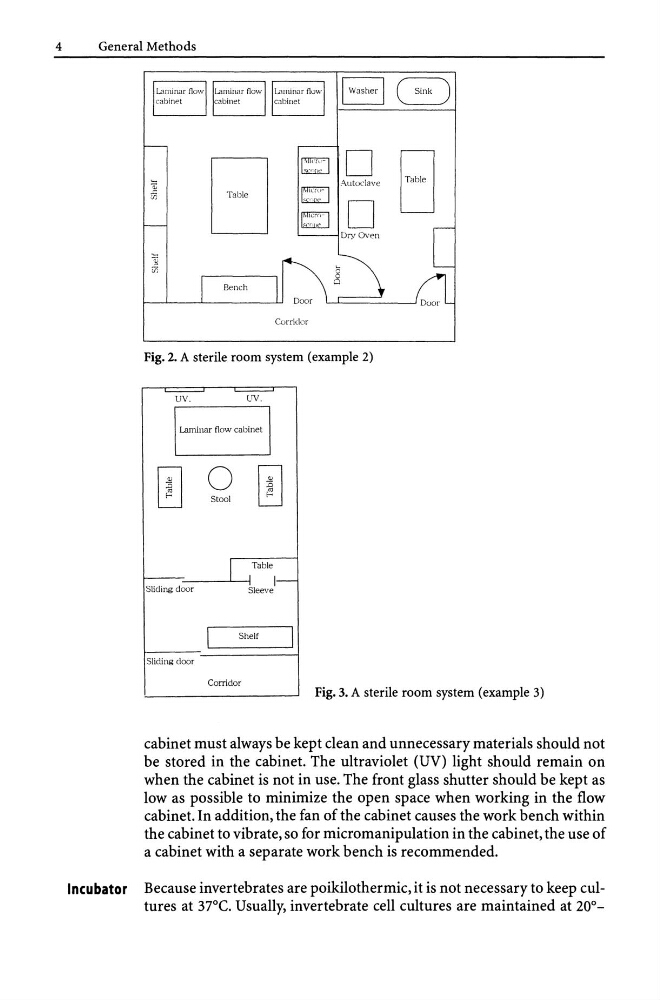
Fig. 2. A sterile room system (example 2)
~
UV.
LTV.
Laminar flow cabinet
m
0
m
~
Stool
~
I
Table
~
1Sliding door
Sleeve
I
Shelf
I
Sliding door
Corridor
Fig. 3. A sterile room system (example 3)
cabinet must always be kept clean and unnecessary materials should not
be stored in the cabinet. The ultraviolet (UV) light should remain on
when the cabinet is not in use. The front glass shutter should be kept as
low as possible to minimize the open space when working in the flow
cabinet. In addition, the fan of the cabinet causes the work bench within
the cabinet to vibrate, so for micromanipulation in the cabinet, the use of
a cabinet with a separate work bench is recommended.
Incubator Because invertebrates are poikilothermic, it is not necessary to keep cultures at 37°C. Usually, invertebrate cell cultures are maintained at 20°-
General Methods
tJ
u D
EJ
~cn jt'
Autoclave
W ~C',; ,e
D
IMl Cl rn-1
0:1'(1 jt'
Dry Oven
Corridor
Fig. 2. A sterile room system (example 2)
~
UV.
LTV.
Laminar flow cabinet
m
0
m
~
Stool
~
I
Table
~
1Sliding door
Sleeve
I
Shelf
I
Sliding door
Corridor
Fig. 3. A sterile room system (example 3)
cabinet must always be kept clean and unnecessary materials should not
be stored in the cabinet. The ultraviolet (UV) light should remain on
when the cabinet is not in use. The front glass shutter should be kept as
low as possible to minimize the open space when working in the flow
cabinet. In addition, the fan of the cabinet causes the work bench within
the cabinet to vibrate, so for micromanipulation in the cabinet, the use of
a cabinet with a separate work bench is recommended.
Incubator Because invertebrates are poikilothermic, it is not necessary to keep cultures at 37°C. Usually, invertebrate cell cultures are maintained at 20°-