

12 Arthropods Other than Insects
127
- Gauze
- Artificial membrane (such as Parafilm, American National Can Co.)
- Capillary tubes (0.4x75 mm)
- Culture medium (RML-375; see Appendix 1)
- Nymphs and adults of the tick Ornithodoros coriaceus
- Quick-drying glue (e.g., Alone Alpha, Toa Gosei Co. Ltd.)
• • Procedure
The following procedure is based on the methods of Moulton (1978),
and Cory and Yunker (1971).
1. Feed the ticks on serum and culture medium through an artificial
membrane such as stretched Parafilm.
2. Eight days after feeding, use late-stage nymphs or adults.
1. Dip the ticks in 70% ethanol, and rub thoroughly with gauze pads.
2. Dry the ticks.
1. Fix the ticks, dorsal side down, to a glass slide with quick-drying glue.
2. Severe a leg with scissors.
3. Gently press the caudal portion of the tick.
4. Collect the hemolymph that oozes out from the opening into capillary tubes.
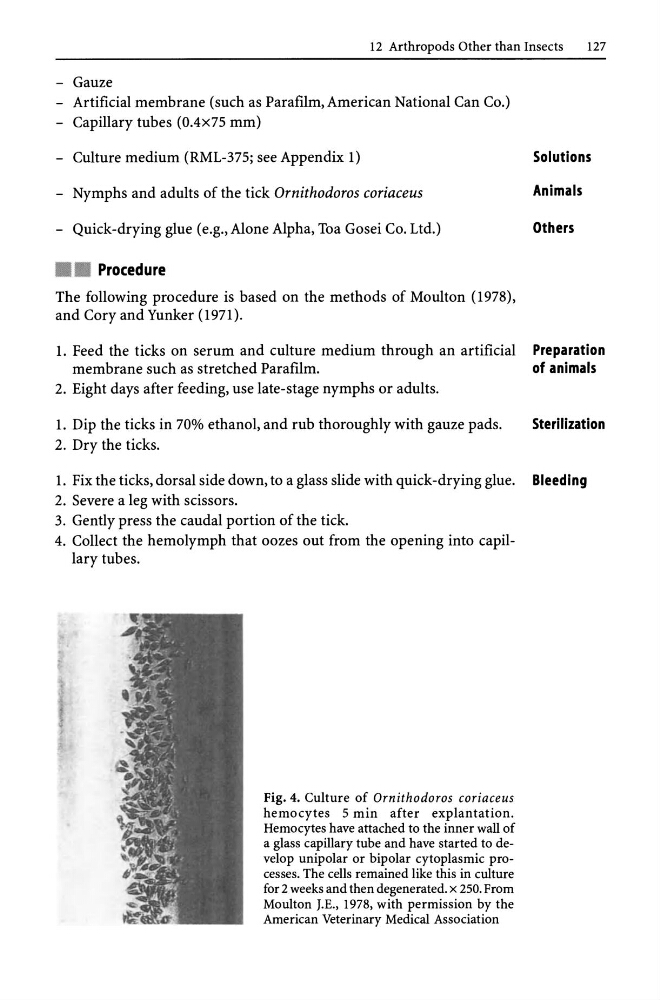
Fig. 4. Culture of Ornithodoros coriaceus
hemocytes 5 min after explantation.
Hemocytes have attached to the inner wall of
a glass capillary tube and have started to develop unipolar or bipolar cytoplasmic processes. The cells remained like this in culture
for 2 weeks and then degenerated. x 250. From
Moulton J.E., 1978, with permission by the
American Veterinary Medical Association
Solutions
Animals
Others
Preparation
of animals
Sterilization
Bleeding
127
- Gauze
- Artificial membrane (such as Parafilm, American National Can Co.)
- Capillary tubes (0.4x75 mm)
- Culture medium (RML-375; see Appendix 1)
- Nymphs and adults of the tick Ornithodoros coriaceus
- Quick-drying glue (e.g., Alone Alpha, Toa Gosei Co. Ltd.)
• • Procedure
The following procedure is based on the methods of Moulton (1978),
and Cory and Yunker (1971).
1. Feed the ticks on serum and culture medium through an artificial
membrane such as stretched Parafilm.
2. Eight days after feeding, use late-stage nymphs or adults.
1. Dip the ticks in 70% ethanol, and rub thoroughly with gauze pads.
2. Dry the ticks.
1. Fix the ticks, dorsal side down, to a glass slide with quick-drying glue.
2. Severe a leg with scissors.
3. Gently press the caudal portion of the tick.
4. Collect the hemolymph that oozes out from the opening into capillary tubes.
Fig. 4. Culture of Ornithodoros coriaceus
hemocytes 5 min after explantation.
Hemocytes have attached to the inner wall of
a glass capillary tube and have started to develop unipolar or bipolar cytoplasmic processes. The cells remained like this in culture
for 2 weeks and then degenerated. x 250. From
Moulton J.E., 1978, with permission by the
American Veterinary Medical Association
Solutions
Animals
Others
Preparation
of animals
Sterilization
Bleeding