

Chapter 25 Seagrass Conservation Biology
615
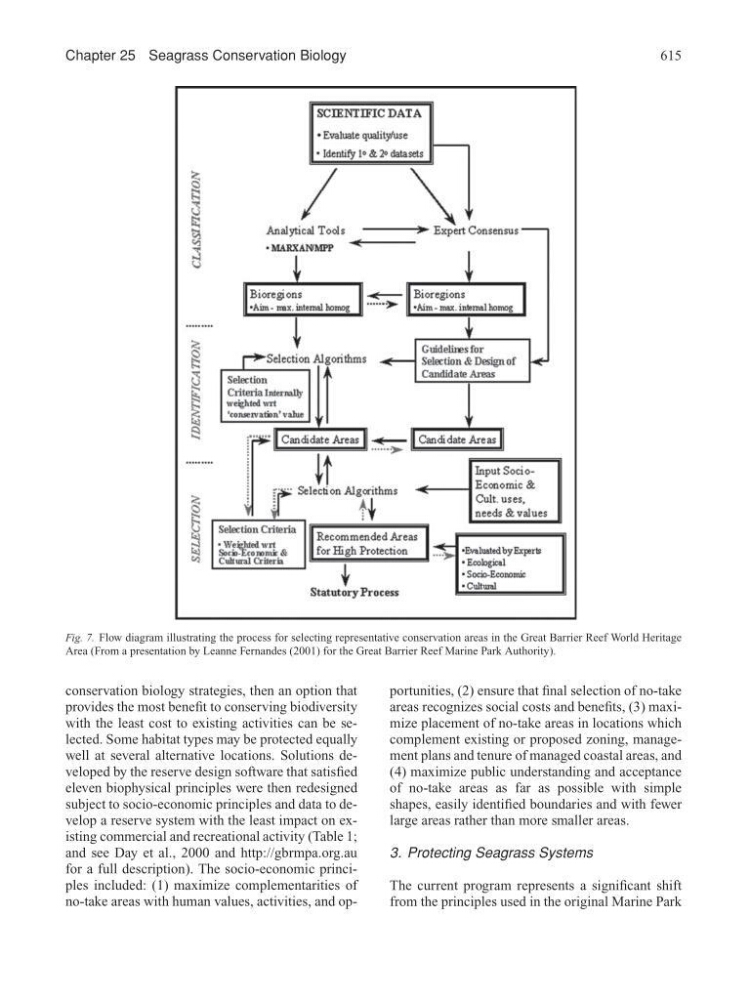
Fig. 7. Flow diagram illustrating the process for selecting representative conservation areas in the Great Barrier Reef World Heritage
Area (From a presentation by Leanne Fernandes (2001) for the Great Barrier Reef Marine Park Authority).
conservation biology strategies, then an option that
provides the most benefit to conserving biodiversity
with the least cost to existing activities can be selected. Some habitat types may be protected equally
well at several alternative locations. Solutions developed by the reserve design software that satisfied
eleven biophysical principles were then redesigned
subject to socio-economic principles and data to develop a reserve system with the least impact on existing commercial and recreational activity (Table 1;
and see Day et al., 2000 and http://gbrmpa.org.au
for a full description). The socio-economic principles included: (1) maximize complementarities of
no-take areas with human values, activities, and opportunities, (2) ensure that final selection of no-take
areas recognizes social costs and benefits, (3) maximize placement of no-take areas in locations which
complement existing or proposed zoning, management plans and tenure of managed coastal areas, and
(4) maximize public understanding and acceptance
of no-take areas as far as possible with simple
shapes, easily identified boundaries and with fewer
large areas rather than more smaller areas.
3. Protecting Seagrass Systems
The current program represents a significant shift
from the principles used in the original Marine Park