

546
K. L. Heck and R. J. Orth
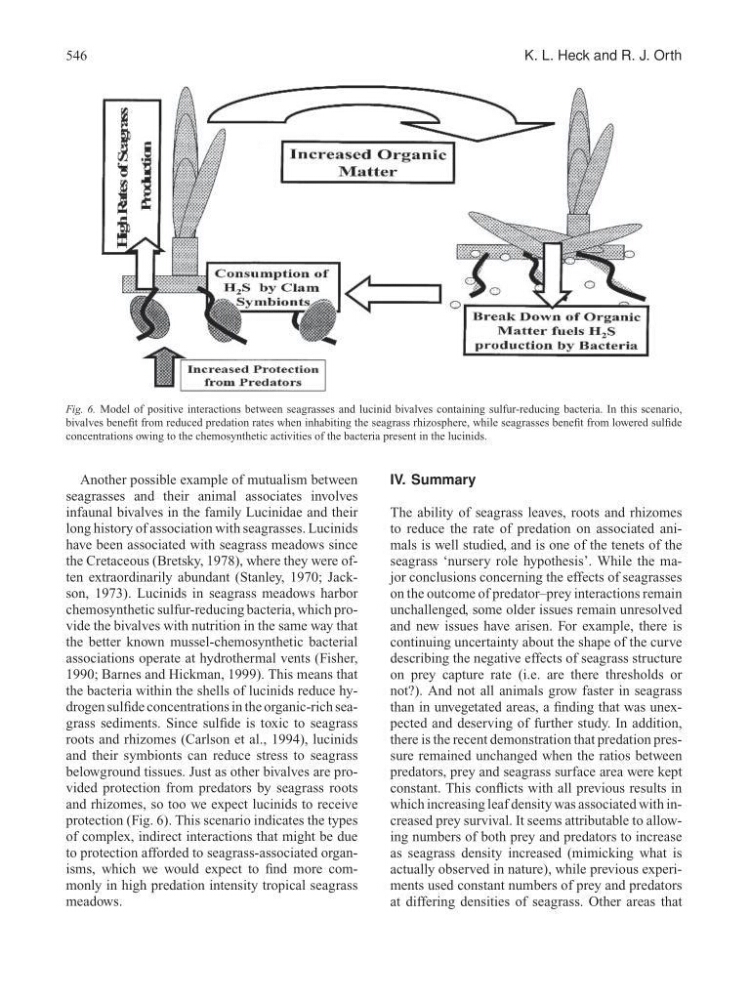
Fig. 6. Model of positive interactions between seagrasses and lucinid bivalves containing sulfur-reducing bacteria. In this scenario,
bivalves benefit from reduced predation rates when inhabiting the seagrass rhizosphere, while seagrasses benefit from lowered sulfide
concentrations owing to the chemosynthetic activities of the bacteria present in the lucinids.
Another possible example of mutualism between
seagrasses and their animal associates involves
infaunal bivalves in the family Lucinidae and their
long history of association with seagrasses. Lucinids
have been associated with seagrass meadows since
the Cretaceous (Bretsky, 1978), where they were often extraordinarily abundant (Stanley, 1970; Jackson, 1973). Lucinids in seagrass meadows harbor
chemosynthetic sulfur-reducing bacteria, which provide the bivalves with nutrition in the same way that
the better known mussel-chemosynthetic bacterial
associations operate at hydrothermal vents (Fisher,
1990; Barnes and Hickman, 1999). This means that
the bacteria within the shells of lucinids reduce hydrogen sulfide concentrations in the organic-rich seagrass sediments. Since sulfide is toxic to seagrass
roots and rhizomes (Carlson et al., 1994), lucinids
and their symbionts can reduce stress to seagrass
belowground tissues. Just as other bivalves are provided protection from predators by seagrass roots
and rhizomes, so too we expect lucinids to receive
protection (Fig. 6). This scenario indicates the types
of complex, indirect interactions that might be due
to protection afforded to seagrass-associated organisms, which we would expect to find more commonly in high predation intensity tropical seagrass
meadows.
IV. Summary
The ability of seagrass leaves, roots and rhizomes
to reduce the rate of predation on associated animals is well studied, and is one of the tenets of the
seagrass ‘nursery role hypothesis’. While the major conclusions concerning the effects of seagrasses
on the outcome of predator–prey interactions remain
unchallenged, some older issues remain unresolved
and new issues have arisen. For example, there is
continuing uncertainty about the shape of the curve
describing the negative effects of seagrass structure
on prey capture rate (i.e. are there thresholds or
not?). And not all animals grow faster in seagrass
than in unvegetated areas, a finding that was unexpected and deserving of further study. In addition,
there is the recent demonstration that predation pressure remained unchanged when the ratios between
predators, prey and seagrass surface area were kept
constant. This conflicts with all previous results in
which increasing leaf density was associated with increased prey survival. It seems attributable to allowing numbers of both prey and predators to increase
as seagrass density increased (mimicking what is
actually observed in nature), while previous experiments used constant numbers of prey and predators
at differing densities of seagrass. Other areas that
K. L. Heck and R. J. Orth
Fig. 6. Model of positive interactions between seagrasses and lucinid bivalves containing sulfur-reducing bacteria. In this scenario,
bivalves benefit from reduced predation rates when inhabiting the seagrass rhizosphere, while seagrasses benefit from lowered sulfide
concentrations owing to the chemosynthetic activities of the bacteria present in the lucinids.
Another possible example of mutualism between
seagrasses and their animal associates involves
infaunal bivalves in the family Lucinidae and their
long history of association with seagrasses. Lucinids
have been associated with seagrass meadows since
the Cretaceous (Bretsky, 1978), where they were often extraordinarily abundant (Stanley, 1970; Jackson, 1973). Lucinids in seagrass meadows harbor
chemosynthetic sulfur-reducing bacteria, which provide the bivalves with nutrition in the same way that
the better known mussel-chemosynthetic bacterial
associations operate at hydrothermal vents (Fisher,
1990; Barnes and Hickman, 1999). This means that
the bacteria within the shells of lucinids reduce hydrogen sulfide concentrations in the organic-rich seagrass sediments. Since sulfide is toxic to seagrass
roots and rhizomes (Carlson et al., 1994), lucinids
and their symbionts can reduce stress to seagrass
belowground tissues. Just as other bivalves are provided protection from predators by seagrass roots
and rhizomes, so too we expect lucinids to receive
protection (Fig. 6). This scenario indicates the types
of complex, indirect interactions that might be due
to protection afforded to seagrass-associated organisms, which we would expect to find more commonly in high predation intensity tropical seagrass
meadows.
IV. Summary
The ability of seagrass leaves, roots and rhizomes
to reduce the rate of predation on associated animals is well studied, and is one of the tenets of the
seagrass ‘nursery role hypothesis’. While the major conclusions concerning the effects of seagrasses
on the outcome of predator–prey interactions remain
unchallenged, some older issues remain unresolved
and new issues have arisen. For example, there is
continuing uncertainty about the shape of the curve
describing the negative effects of seagrass structure
on prey capture rate (i.e. are there thresholds or
not?). And not all animals grow faster in seagrass
than in unvegetated areas, a finding that was unexpected and deserving of further study. In addition,
there is the recent demonstration that predation pressure remained unchanged when the ratios between
predators, prey and seagrass surface area were kept
constant. This conflicts with all previous results in
which increasing leaf density was associated with increased prey survival. It seems attributable to allowing numbers of both prey and predators to increase
as seagrass density increased (mimicking what is
actually observed in nature), while previous experiments used constant numbers of prey and predators
at differing densities of seagrass. Other areas that