

Chapter 21 Seagrasses, Fish, and Fisheries
507
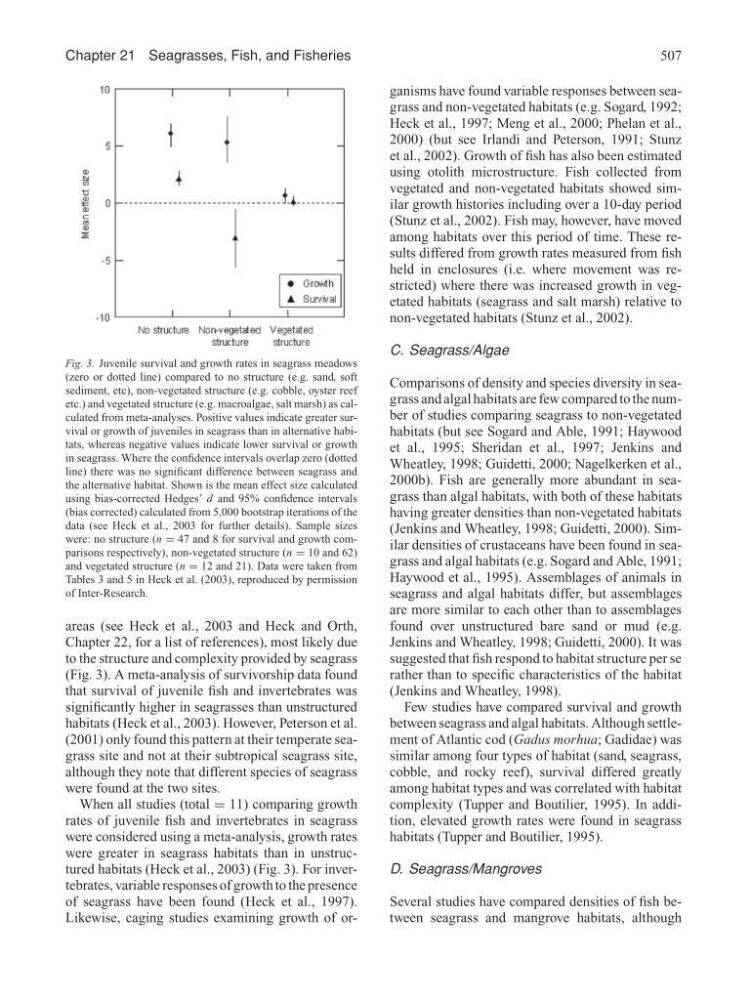
Fig. 3. Juvenile survival and growth rates in seagrass meadows
(zero or dotted line) compared to no structure (e.g. sand, soft
sediment, etc), non-vegetated structure (e.g. cobble, oyster reef
etc.) and vegetated structure (e.g. macroalgae, salt marsh) as calculated from meta-analyses. Positive values indicate greater survival or growth of juveniles in seagrass than in alternative habitats, whereas negative values indicate lower survival or growth
in seagrass. Where the confidence intervals overlap zero (dotted
line) there was no significant difference between seagrass and
the alternative habitat. Shown is the mean effect size calculated
using bias-corrected Hedges’ d and 95% confidence intervals
(bias corrected) calculated from 5,000 bootstrap iterations of the
data (see Heck et al., 2003 for further details). Sample sizes
were: no structure (n = 47 and 8 for survival and growth comparisons respectively), non-vegetated structure (n = 10 and 62)
and vegetated structure (n = 12 and 21). Data were taken from
Tables 3 and 5 in Heck et al. (2003), reproduced by permission
of Inter-Research.
areas (see Heck et al., 2003 and Heck and Orth,
Chapter 22, for a list of references), most likely due
to the structure and complexity provided by seagrass
(Fig. 3). A meta-analysis of survivorship data found
that survival of juvenile fish and invertebrates was
significantly higher in seagrasses than unstructured
habitats (Heck et al., 2003). However, Peterson et al.
(2001) only found this pattern at their temperate seagrass site and not at their subtropical seagrass site,
although they note that different species of seagrass
were found at the two sites.
When all studies (total = 11) comparing growth
rates of juvenile fish and invertebrates in seagrass
were considered using a meta-analysis, growth rates
were greater in seagrass habitats than in unstructured habitats (Heck et al., 2003) (Fig. 3). For invertebrates, variable responses of growth to the presence
of seagrass have been found (Heck et al., 1997).
Likewise, caging studies examining growth of organisms have found variable responses between seagrass and non-vegetated habitats (e.g. Sogard, 1992;
Heck et al., 1997; Meng et al., 2000; Phelan et al.,
2000) (but see Irlandi and Peterson, 1991; Stunz
et al., 2002). Growth of fish has also been estimated
using otolith microstructure. Fish collected from
vegetated and non-vegetated habitats showed similar growth histories including over a 10-day period
(Stunz et al., 2002). Fish may, however, have moved
among habitats over this period of time. These results differed from growth rates measured from fish
held in enclosures (i.e. where movement was restricted) where there was increased growth in vegetated habitats (seagrass and salt marsh) relative to
non-vegetated habitats (Stunz et al., 2002).
C. Seagrass/Algae
Comparisons of density and species diversity in seagrass and algal habitats are few compared to the number of studies comparing seagrass to non-vegetated
habitats (but see Sogard and Able, 1991; Haywood
et al., 1995; Sheridan et al., 1997; Jenkins and
Wheatley, 1998; Guidetti, 2000; Nagelkerken et al.,
2000b). Fish are generally more abundant in seagrass than algal habitats, with both of these habitats
having greater densities than non-vegetated habitats
(Jenkins and Wheatley, 1998; Guidetti, 2000). Similar densities of crustaceans have been found in seagrass and algal habitats (e.g. Sogard and Able, 1991;
Haywood et al., 1995). Assemblages of animals in
seagrass and algal habitats differ, but assemblages
are more similar to each other than to assemblages
found over unstructured bare sand or mud (e.g.
Jenkins and Wheatley, 1998; Guidetti, 2000). It was
suggested that fish respond to habitat structure per se
rather than to specific characteristics of the habitat
(Jenkins and Wheatley, 1998).
Few studies have compared survival and growth
between seagrass and algal habitats. Although settlement of Atlantic cod (Gadus morhua; Gadidae) was
similar among four types of habitat (sand, seagrass,
cobble, and rocky reef), survival differed greatly
among habitat types and was correlated with habitat
complexity (Tupper and Boutilier, 1995). In addition, elevated growth rates were found in seagrass
habitats (Tupper and Boutilier, 1995).
D. Seagrass/Mangroves
Several studies have compared densities of fish between seagrass and mangrove habitats, although
507
Fig. 3. Juvenile survival and growth rates in seagrass meadows
(zero or dotted line) compared to no structure (e.g. sand, soft
sediment, etc), non-vegetated structure (e.g. cobble, oyster reef
etc.) and vegetated structure (e.g. macroalgae, salt marsh) as calculated from meta-analyses. Positive values indicate greater survival or growth of juveniles in seagrass than in alternative habitats, whereas negative values indicate lower survival or growth
in seagrass. Where the confidence intervals overlap zero (dotted
line) there was no significant difference between seagrass and
the alternative habitat. Shown is the mean effect size calculated
using bias-corrected Hedges’ d and 95% confidence intervals
(bias corrected) calculated from 5,000 bootstrap iterations of the
data (see Heck et al., 2003 for further details). Sample sizes
were: no structure (n = 47 and 8 for survival and growth comparisons respectively), non-vegetated structure (n = 10 and 62)
and vegetated structure (n = 12 and 21). Data were taken from
Tables 3 and 5 in Heck et al. (2003), reproduced by permission
of Inter-Research.
areas (see Heck et al., 2003 and Heck and Orth,
Chapter 22, for a list of references), most likely due
to the structure and complexity provided by seagrass
(Fig. 3). A meta-analysis of survivorship data found
that survival of juvenile fish and invertebrates was
significantly higher in seagrasses than unstructured
habitats (Heck et al., 2003). However, Peterson et al.
(2001) only found this pattern at their temperate seagrass site and not at their subtropical seagrass site,
although they note that different species of seagrass
were found at the two sites.
When all studies (total = 11) comparing growth
rates of juvenile fish and invertebrates in seagrass
were considered using a meta-analysis, growth rates
were greater in seagrass habitats than in unstructured habitats (Heck et al., 2003) (Fig. 3). For invertebrates, variable responses of growth to the presence
of seagrass have been found (Heck et al., 1997).
Likewise, caging studies examining growth of organisms have found variable responses between seagrass and non-vegetated habitats (e.g. Sogard, 1992;
Heck et al., 1997; Meng et al., 2000; Phelan et al.,
2000) (but see Irlandi and Peterson, 1991; Stunz
et al., 2002). Growth of fish has also been estimated
using otolith microstructure. Fish collected from
vegetated and non-vegetated habitats showed similar growth histories including over a 10-day period
(Stunz et al., 2002). Fish may, however, have moved
among habitats over this period of time. These results differed from growth rates measured from fish
held in enclosures (i.e. where movement was restricted) where there was increased growth in vegetated habitats (seagrass and salt marsh) relative to
non-vegetated habitats (Stunz et al., 2002).
C. Seagrass/Algae
Comparisons of density and species diversity in seagrass and algal habitats are few compared to the number of studies comparing seagrass to non-vegetated
habitats (but see Sogard and Able, 1991; Haywood
et al., 1995; Sheridan et al., 1997; Jenkins and
Wheatley, 1998; Guidetti, 2000; Nagelkerken et al.,
2000b). Fish are generally more abundant in seagrass than algal habitats, with both of these habitats
having greater densities than non-vegetated habitats
(Jenkins and Wheatley, 1998; Guidetti, 2000). Similar densities of crustaceans have been found in seagrass and algal habitats (e.g. Sogard and Able, 1991;
Haywood et al., 1995). Assemblages of animals in
seagrass and algal habitats differ, but assemblages
are more similar to each other than to assemblages
found over unstructured bare sand or mud (e.g.
Jenkins and Wheatley, 1998; Guidetti, 2000). It was
suggested that fish respond to habitat structure per se
rather than to specific characteristics of the habitat
(Jenkins and Wheatley, 1998).
Few studies have compared survival and growth
between seagrass and algal habitats. Although settlement of Atlantic cod (Gadus morhua; Gadidae) was
similar among four types of habitat (sand, seagrass,
cobble, and rocky reef), survival differed greatly
among habitat types and was correlated with habitat
complexity (Tupper and Boutilier, 1995). In addition, elevated growth rates were found in seagrass
habitats (Tupper and Boutilier, 1995).
D. Seagrass/Mangroves
Several studies have compared densities of fish between seagrass and mangrove habitats, although