

Chapter 10 Oxygen Movement in Seagrasses
267
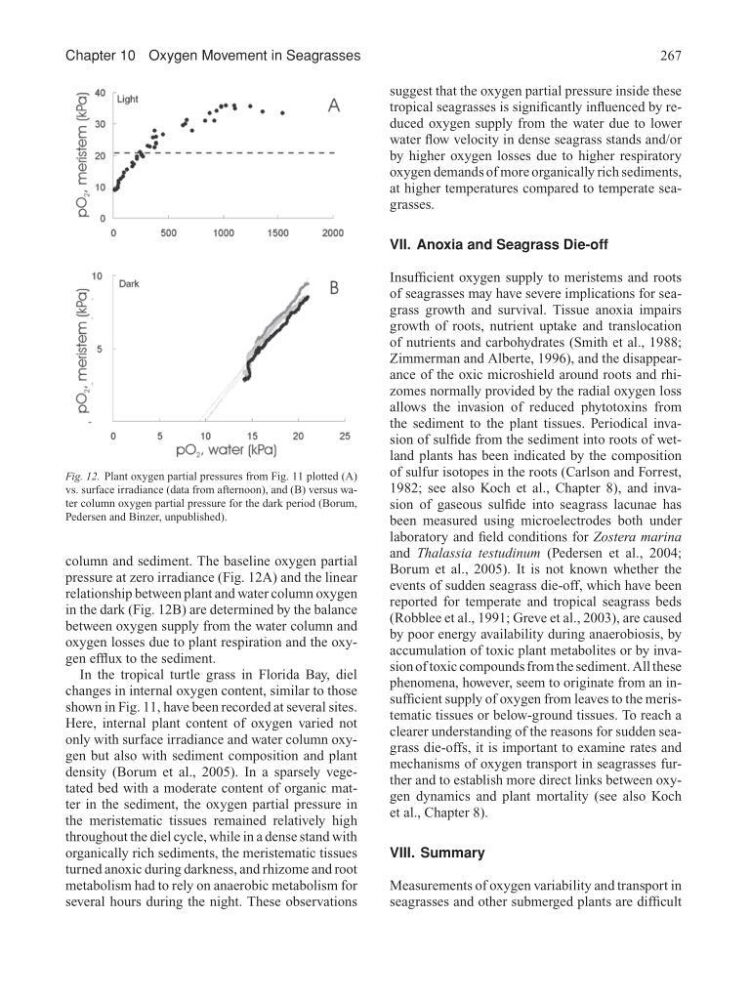
Fig. 12. Plant oxygen partial pressures from Fig. 11 plotted (A)
vs. surface irradiance (data from afternoon), and (B) versus water column oxygen partial pressure for the dark period (Borum,
Pedersen and Binzer, unpublished).
column and sediment. The baseline oxygen partial
pressure at zero irradiance (Fig. 12A) and the linear
relationship between plant and water column oxygen
in the dark (Fig. 12B) are determined by the balance
between oxygen supply from the water column and
oxygen losses due to plant respiration and the oxygen efflux to the sediment.
In the tropical turtle grass in Florida Bay, diel
changes in internal oxygen content, similar to those
shown in Fig. 11, have been recorded at several sites.
Here, internal plant content of oxygen varied not
only with surface irradiance and water column oxygen but also with sediment composition and plant
density (Borum et al., 2005). In a sparsely vegetated bed with a moderate content of organic matter in the sediment, the oxygen partial pressure in
the meristematic tissues remained relatively high
throughout the diel cycle, while in a dense stand with
organically rich sediments, the meristematic tissues
turned anoxic during darkness, and rhizome and root
metabolism had to rely on anaerobic metabolism for
several hours during the night. These observations
suggest that the oxygen partial pressure inside these
tropical seagrasses is significantly influenced by reduced oxygen supply from the water due to lower
water flow velocity in dense seagrass stands and/or
by higher oxygen losses due to higher respiratory
oxygen demands of more organically rich sediments,
at higher temperatures compared to temperate seagrasses.
VII. Anoxia and Seagrass Die-off
Insufficient oxygen supply to meristems and roots
of seagrasses may have severe implications for seagrass growth and survival. Tissue anoxia impairs
growth of roots, nutrient uptake and translocation
of nutrients and carbohydrates (Smith et al., 1988;
Zimmerman and Alberte, 1996), and the disappearance of the oxic microshield around roots and rhizomes normally provided by the radial oxygen loss
allows the invasion of reduced phytotoxins from
the sediment to the plant tissues. Periodical invasion of sulfide from the sediment into roots of wetland plants has been indicated by the composition
of sulfur isotopes in the roots (Carlson and Forrest,
1982; see also Koch et al., Chapter 8), and invasion of gaseous sulfide into seagrass lacunae has
been measured using microelectrodes both under
laboratory and field conditions for Zostera marina
and Thalassia testudinum (Pedersen et al., 2004;
Borum et al., 2005). It is not known whether the
events of sudden seagrass die-off, which have been
reported for temperate and tropical seagrass beds
(Robblee et al., 1991; Greve et al., 2003), are caused
by poor energy availability during anaerobiosis, by
accumulation of toxic plant metabolites or by invasion of toxic compounds from the sediment. All these
phenomena, however, seem to originate from an insufficient supply of oxygen from leaves to the meristematic tissues or below-ground tissues. To reach a
clearer understanding of the reasons for sudden seagrass die-offs, it is important to examine rates and
mechanisms of oxygen transport in seagrasses further and to establish more direct links between oxygen dynamics and plant mortality (see also Koch
et al., Chapter 8).
VIII. Summary
Measurements of oxygen variability and transport in
seagrasses and other submerged plants are difficult
267
Fig. 12. Plant oxygen partial pressures from Fig. 11 plotted (A)
vs. surface irradiance (data from afternoon), and (B) versus water column oxygen partial pressure for the dark period (Borum,
Pedersen and Binzer, unpublished).
column and sediment. The baseline oxygen partial
pressure at zero irradiance (Fig. 12A) and the linear
relationship between plant and water column oxygen
in the dark (Fig. 12B) are determined by the balance
between oxygen supply from the water column and
oxygen losses due to plant respiration and the oxygen efflux to the sediment.
In the tropical turtle grass in Florida Bay, diel
changes in internal oxygen content, similar to those
shown in Fig. 11, have been recorded at several sites.
Here, internal plant content of oxygen varied not
only with surface irradiance and water column oxygen but also with sediment composition and plant
density (Borum et al., 2005). In a sparsely vegetated bed with a moderate content of organic matter in the sediment, the oxygen partial pressure in
the meristematic tissues remained relatively high
throughout the diel cycle, while in a dense stand with
organically rich sediments, the meristematic tissues
turned anoxic during darkness, and rhizome and root
metabolism had to rely on anaerobic metabolism for
several hours during the night. These observations
suggest that the oxygen partial pressure inside these
tropical seagrasses is significantly influenced by reduced oxygen supply from the water due to lower
water flow velocity in dense seagrass stands and/or
by higher oxygen losses due to higher respiratory
oxygen demands of more organically rich sediments,
at higher temperatures compared to temperate seagrasses.
VII. Anoxia and Seagrass Die-off
Insufficient oxygen supply to meristems and roots
of seagrasses may have severe implications for seagrass growth and survival. Tissue anoxia impairs
growth of roots, nutrient uptake and translocation
of nutrients and carbohydrates (Smith et al., 1988;
Zimmerman and Alberte, 1996), and the disappearance of the oxic microshield around roots and rhizomes normally provided by the radial oxygen loss
allows the invasion of reduced phytotoxins from
the sediment to the plant tissues. Periodical invasion of sulfide from the sediment into roots of wetland plants has been indicated by the composition
of sulfur isotopes in the roots (Carlson and Forrest,
1982; see also Koch et al., Chapter 8), and invasion of gaseous sulfide into seagrass lacunae has
been measured using microelectrodes both under
laboratory and field conditions for Zostera marina
and Thalassia testudinum (Pedersen et al., 2004;
Borum et al., 2005). It is not known whether the
events of sudden seagrass die-off, which have been
reported for temperate and tropical seagrass beds
(Robblee et al., 1991; Greve et al., 2003), are caused
by poor energy availability during anaerobiosis, by
accumulation of toxic plant metabolites or by invasion of toxic compounds from the sediment. All these
phenomena, however, seem to originate from an insufficient supply of oxygen from leaves to the meristematic tissues or below-ground tissues. To reach a
clearer understanding of the reasons for sudden seagrass die-offs, it is important to examine rates and
mechanisms of oxygen transport in seagrasses further and to establish more direct links between oxygen dynamics and plant mortality (see also Koch
et al., Chapter 8).
VIII. Summary
Measurements of oxygen variability and transport in
seagrasses and other submerged plants are difficult