

54
Beach
strandings
R.H. Charlier and Th. Lonhienne
00
0
°
0 0 0 0 °
0 0
_
0 ° algal bloom 0
toxin
~
0
0 0 0 ° 000
o
production
, /
0 0 ~
~
sulphur
t
light penetration
compounds
reduced
sediintation_J
1
through bacterial
mortality among
degradation and
pelagic fish and
excessive increase
in shellfish and
of benthic fauna
fish ponds
benthos
( illness & death)
~
oxygen depletion
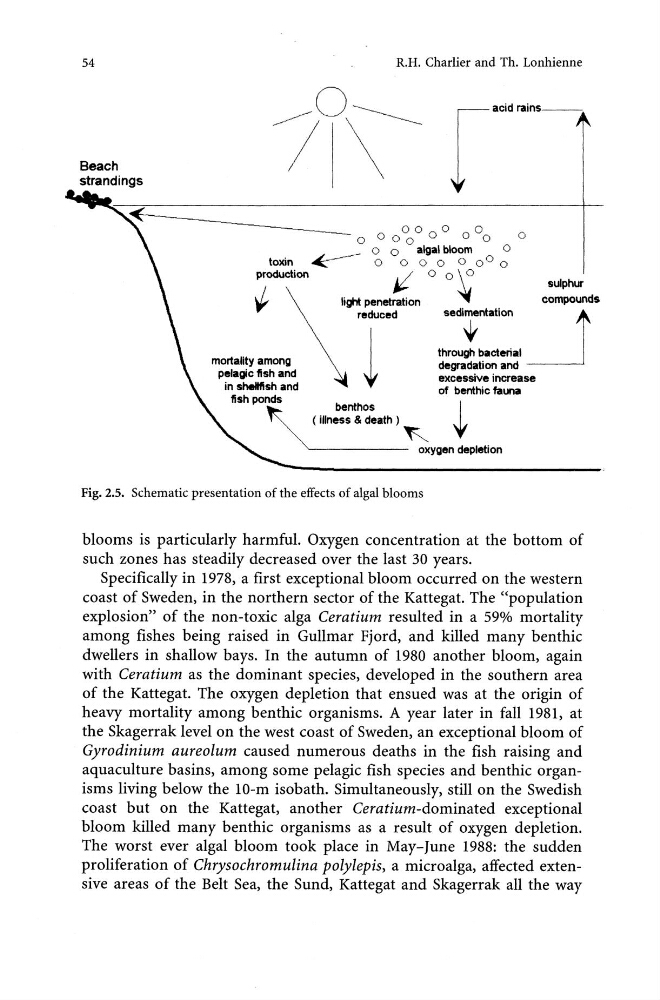
Fig. 2.5. Schematic presentation of the effects of algal blooms
blooms is particularly harmful. Oxygen concentration at the bottom of
such zones has steadily decreased over the last 30 years.
Specifically in 1978, a first exceptional bloom occurred on the western
coast of Sweden, in the northern sector of the Kattegat. The "population
explosion" of the non-toxic alga Ceratium resulted in a 59% mortality
among fishes being raised in Gullmar Fjord, and killed many benthic
dwellers in shallow bays. In the autumn of 1980 another bloom, again
with Ceratium as the dominant species, developed in the southern area
of the Kattegat. The oxygen depletion that ensued was at the origin of
heavy mortality among benthic organisms. A year later in fall 1981, at
the Skagerrak level on the west coast of Sweden, an exceptional bloom of
Gyrodinium aureolum caused numerous deaths in the fish raising and
aquaculture basins, among some pelagic fish species and benthic organisms living below the 10-m isobath. Simultaneously, still on the Swedish
coast but on the Kattegat, another Ceratium-dominated exceptional
bloom killed many benthic organisms as a result of oxygen depletion.
The worst ever algal bloom took place in May-June 1988: the sudden
proliferation of Chrysochromulina polylepis, a micro alga, affected extensive areas of the Belt Sea, the Sund, Kattegat and Skagerrak all the way
Beach
strandings
R.H. Charlier and Th. Lonhienne
00
0
°
0 0 0 0 °
0 0
_
0 ° algal bloom 0
toxin
~
0
0 0 0 ° 000
o
production
, /
0 0 ~
~
sulphur
t
light penetration
compounds
reduced
sediintation_J
1
through bacterial
mortality among
degradation and
pelagic fish and
excessive increase
in shellfish and
of benthic fauna
fish ponds
benthos
( illness & death)
~
oxygen depletion
Fig. 2.5. Schematic presentation of the effects of algal blooms
blooms is particularly harmful. Oxygen concentration at the bottom of
such zones has steadily decreased over the last 30 years.
Specifically in 1978, a first exceptional bloom occurred on the western
coast of Sweden, in the northern sector of the Kattegat. The "population
explosion" of the non-toxic alga Ceratium resulted in a 59% mortality
among fishes being raised in Gullmar Fjord, and killed many benthic
dwellers in shallow bays. In the autumn of 1980 another bloom, again
with Ceratium as the dominant species, developed in the southern area
of the Kattegat. The oxygen depletion that ensued was at the origin of
heavy mortality among benthic organisms. A year later in fall 1981, at
the Skagerrak level on the west coast of Sweden, an exceptional bloom of
Gyrodinium aureolum caused numerous deaths in the fish raising and
aquaculture basins, among some pelagic fish species and benthic organisms living below the 10-m isobath. Simultaneously, still on the Swedish
coast but on the Kattegat, another Ceratium-dominated exceptional
bloom killed many benthic organisms as a result of oxygen depletion.
The worst ever algal bloom took place in May-June 1988: the sudden
proliferation of Chrysochromulina polylepis, a micro alga, affected extensive areas of the Belt Sea, the Sund, Kattegat and Skagerrak all the way