

France - The Mediterranean Lagoons
A
B
c
I
+
I
+
+
I
+
I
-----~--------+----I
I
+
I
I
+
I
I
+
+++
++
+++
+
++
+
+++
++
++
+++
++
++
+
319
Maa-ophytes:
a~a vagabmda (i)
Acetabularia acetabulum
Ruppia maritima (i)
Zostera noIlii
Cymodocea nodosa
F81J1' 18:
Sphaeroma ghigii (e)
Caoptium insidiosooJ (i)
T anlis cavdnii
Ostracodes
Cardium exiguum
Abra ovata (i)
Murex IrunaJIus
Holothuria poIii
Anemonia sulcata
BIJMlIbankia imbricata
BothyIus sd1losseri
Brachydontes marioni (i)
Cerilhium vulgatum
Copepodes
ParacentroUl Iividus
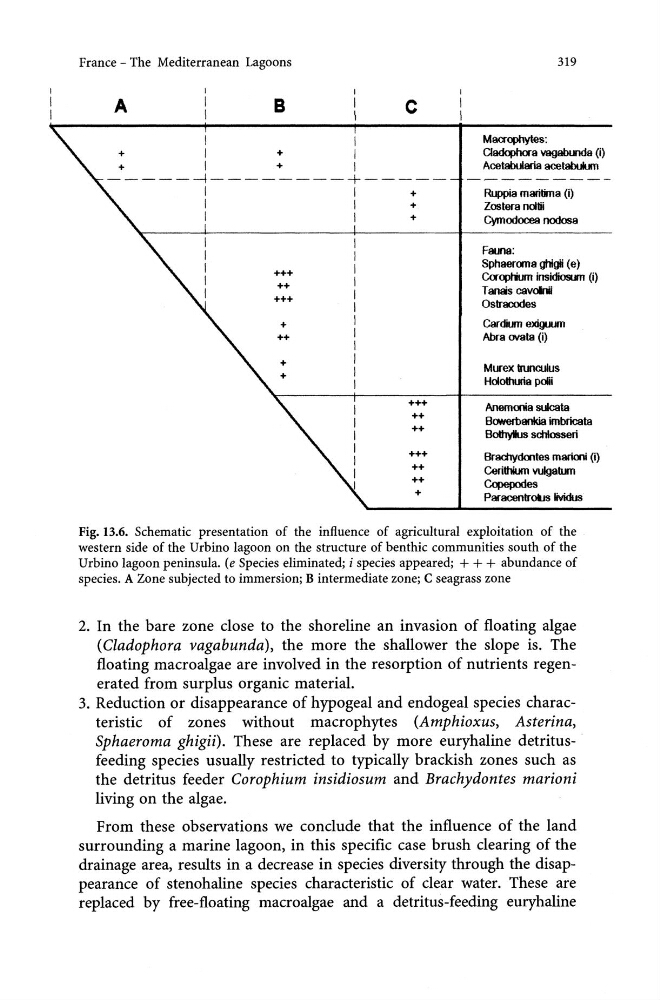
Fig. 13.6. Schematic presentation of the influence of agricultural exploitation of the
western side of the Urbino lagoon on the structure of benthic communities south of the
Urbino lagoon peninsula. (e Species eliminated; i species appeared; + + + abundance of
species. A Zone subjected to immersion; B intermediate zone; C seagrass zone
2. In the bare zone close to the shoreline an invasion of floating algae
(Cladophora vagabunda), the more the shallower the slope is. The
floating macro algae are involved in the resorption of nutrients regenerated from surplus organic material.
3. Reduction or disappearance of hypogeal and endogeal species characteristic of zones without macrophytes (Amphioxus, Asterina,
Sphaeroma ghigii). These are replaced by more euryhaline detritusfeeding species usually restricted to typically brackish zones such as
the detritus feeder Corophium insidiosum and Brachydontes marioni
living on the algae.
From these observations we conclude that the influence of the land
surrounding a marine lagoon, in this specific case brush clearing of the
drainage area, results in a decrease in species diversity through the disappearance of stenohaline species characteristic of clear water. These are
replaced by free-floating macro algae and a detritus-feeding euryhaline
A
B
c
I
+
I
+
+
I
+
I
-----~--------+----I
I
+
I
I
+
I
I
+
+++
++
+++
+
++
+
+++
++
++
+++
++
++
+
319
Maa-ophytes:
a~a vagabmda (i)
Acetabularia acetabulum
Ruppia maritima (i)
Zostera noIlii
Cymodocea nodosa
F81J1' 18:
Sphaeroma ghigii (e)
Caoptium insidiosooJ (i)
T anlis cavdnii
Ostracodes
Cardium exiguum
Abra ovata (i)
Murex IrunaJIus
Holothuria poIii
Anemonia sulcata
BIJMlIbankia imbricata
BothyIus sd1losseri
Brachydontes marioni (i)
Cerilhium vulgatum
Copepodes
ParacentroUl Iividus
Fig. 13.6. Schematic presentation of the influence of agricultural exploitation of the
western side of the Urbino lagoon on the structure of benthic communities south of the
Urbino lagoon peninsula. (e Species eliminated; i species appeared; + + + abundance of
species. A Zone subjected to immersion; B intermediate zone; C seagrass zone
2. In the bare zone close to the shoreline an invasion of floating algae
(Cladophora vagabunda), the more the shallower the slope is. The
floating macro algae are involved in the resorption of nutrients regenerated from surplus organic material.
3. Reduction or disappearance of hypogeal and endogeal species characteristic of zones without macrophytes (Amphioxus, Asterina,
Sphaeroma ghigii). These are replaced by more euryhaline detritusfeeding species usually restricted to typically brackish zones such as
the detritus feeder Corophium insidiosum and Brachydontes marioni
living on the algae.
From these observations we conclude that the influence of the land
surrounding a marine lagoon, in this specific case brush clearing of the
drainage area, results in a decrease in species diversity through the disappearance of stenohaline species characteristic of clear water. These are
replaced by free-floating macro algae and a detritus-feeding euryhaline