

Fermentative and
Sulfate-reducing
bacteria
H 2 S
SO 4
2Anoxygenic
phototrophic
bacteria
Macro-algae
(primary production)
Nutrients
O 2
Aerobic degradation
Colorless sulfur oxidizing
bacteria
SO 4
2Fermentative and
Sulfate-reducing
bacteria
H 2 S
SO 4
2Anoxygenic
phototrophic
purple and green
bacteria
Degrading
macro-algae
SO 4
2H 2 S
Anoxygenic
phototrophic
purple bacteria
H 2 S
Anaerobic
dégradation
a
b
c
d
e
o
x
i
c
a
n
o
x
i
c
E
A
U
S
E
D
I
M
E
N
T
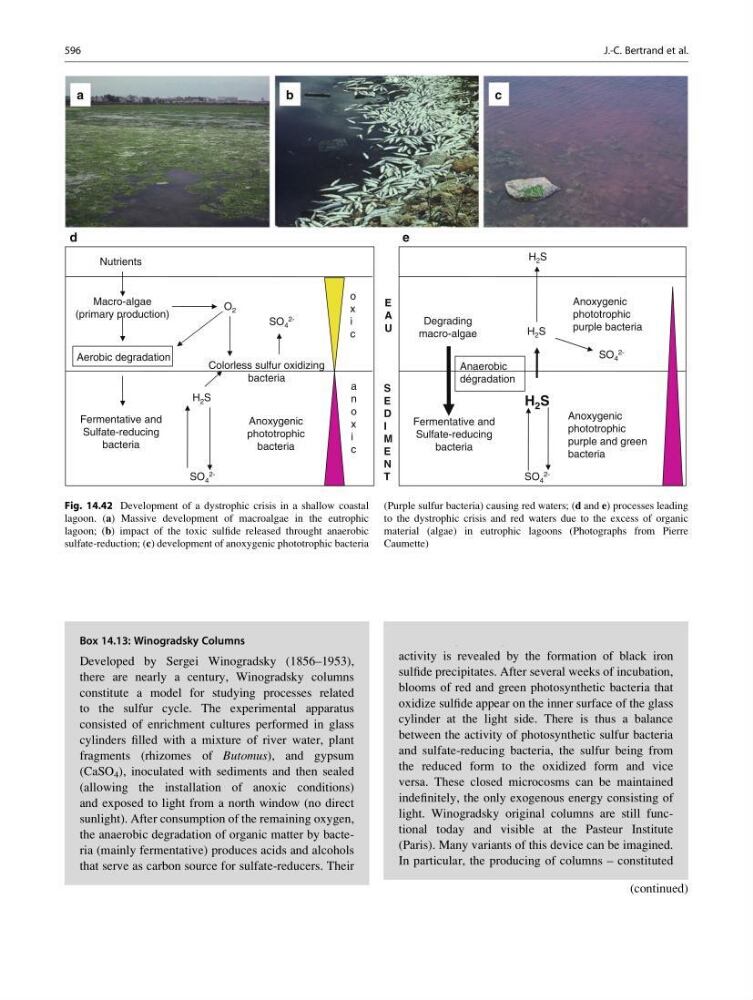
Fig. 14.42 Development of a dystrophic crisis in a shallow coastal
lagoon. (a) Massive development of macroalgae in the eutrophic
lagoon; (b) impact of the toxic sulfide released throught anaerobic
sulfate-reduction; (c) development of anoxygenic phototrophic bacteria
(Purple sulfur bacteria) causing red waters; (d and e) processes leading
to the dystrophic crisis and red waters due to the excess of organic
material (algae) in eutrophic lagoons (Photographs from Pierre
Caumette)
Box 14.13: Winogradsky Columns
Developed by Sergei Winogradsky (1856–1953),
there are nearly a century, Winogradsky columns
constitute a model for studying processes related
to the sulfur cycle. The experimental apparatus
consisted of enrichment cultures performed in glass
cylinders filled with a mixture of river water, plant
fragments (rhizomes of Butomus), and gypsum
(CaSO 4 ), inoculated with sediments and then sealed
(allowing the installation of anoxic conditions)
and exposed to light from a north window (no direct
sunlight). After consumption of the remaining oxygen,
the anaerobic degradation of organic matter by bacteria (mainly fermentative) produces acids and alcohols
that serve as carbon source for sulfate-reducers. Their
(continued)
Box 14.13 (continued)
activity is revealed by the formation of black iron
sulfide precipitates. After several weeks of incubation,
blooms of red and green photosynthetic bacteria that
oxidize sulfide appear on the inner surface of the glass
cylinder at the light side. There is thus a balance
between the activity of photosynthetic sulfur bacteria
and sulfate-reducing bacteria, the sulfur being from
the reduced form to the oxidized form and vice
versa. These closed microcosms can be maintained
indefinitely, the only exogenous energy consisting of
light. Winogradsky original columns are still functional today and visible at the Pasteur Institute
(Paris). Many variants of this device can be imagined.
In particular, the producing of columns – constituted
(continued)
596
J.-C. Bertrand et al.
Sulfate-reducing
bacteria
H 2 S
SO 4
2Anoxygenic
phototrophic
bacteria
Macro-algae
(primary production)
Nutrients
O 2
Aerobic degradation
Colorless sulfur oxidizing
bacteria
SO 4
2Fermentative and
Sulfate-reducing
bacteria
H 2 S
SO 4
2Anoxygenic
phototrophic
purple and green
bacteria
Degrading
macro-algae
SO 4
2H 2 S
Anoxygenic
phototrophic
purple bacteria
H 2 S
Anaerobic
dégradation
a
b
c
d
e
o
x
i
c
a
n
o
x
i
c
E
A
U
S
E
D
I
M
E
N
T
Fig. 14.42 Development of a dystrophic crisis in a shallow coastal
lagoon. (a) Massive development of macroalgae in the eutrophic
lagoon; (b) impact of the toxic sulfide released throught anaerobic
sulfate-reduction; (c) development of anoxygenic phototrophic bacteria
(Purple sulfur bacteria) causing red waters; (d and e) processes leading
to the dystrophic crisis and red waters due to the excess of organic
material (algae) in eutrophic lagoons (Photographs from Pierre
Caumette)
Box 14.13: Winogradsky Columns
Developed by Sergei Winogradsky (1856–1953),
there are nearly a century, Winogradsky columns
constitute a model for studying processes related
to the sulfur cycle. The experimental apparatus
consisted of enrichment cultures performed in glass
cylinders filled with a mixture of river water, plant
fragments (rhizomes of Butomus), and gypsum
(CaSO 4 ), inoculated with sediments and then sealed
(allowing the installation of anoxic conditions)
and exposed to light from a north window (no direct
sunlight). After consumption of the remaining oxygen,
the anaerobic degradation of organic matter by bacteria (mainly fermentative) produces acids and alcohols
that serve as carbon source for sulfate-reducers. Their
(continued)
Box 14.13 (continued)
activity is revealed by the formation of black iron
sulfide precipitates. After several weeks of incubation,
blooms of red and green photosynthetic bacteria that
oxidize sulfide appear on the inner surface of the glass
cylinder at the light side. There is thus a balance
between the activity of photosynthetic sulfur bacteria
and sulfate-reducing bacteria, the sulfur being from
the reduced form to the oxidized form and vice
versa. These closed microcosms can be maintained
indefinitely, the only exogenous energy consisting of
light. Winogradsky original columns are still functional today and visible at the Pasteur Institute
(Paris). Many variants of this device can be imagined.
In particular, the producing of columns – constituted
(continued)
596
J.-C. Bertrand et al.