

From a phylogenetic point of view (cf. Sect. 6.6.2),
anoxygenic phototrophic bacteria are distributed among
four lineages of the domain Bacteria:
The purple bacteria (sulfur and nonsulfur) belong to the
Alpha-, Beta-, and Gammaproteobacteria;
The green sulfur bacteria which constitute an independent
phylum (Chlorobi);
The filamentous green bacteria are found in the Chloroflexi;
The gram positive Heliobacteria in the phylum Firmicutes.
Within each lineage, phototrophic species are grouped
with nonphotosynthetic members, except for green sulfur
bacteria which form a phylogenetically coherent group.
Because of their phylogenetic heterogeneity, the use of
molecular techniques for the in situ study of these
microorganisms is most often based on the study of functional genes, such as puf (involved in the photosystem of
purple bacteria) and fmo (involved in the photosystem of
green sulfur bacteria) genes. However, approaches based on
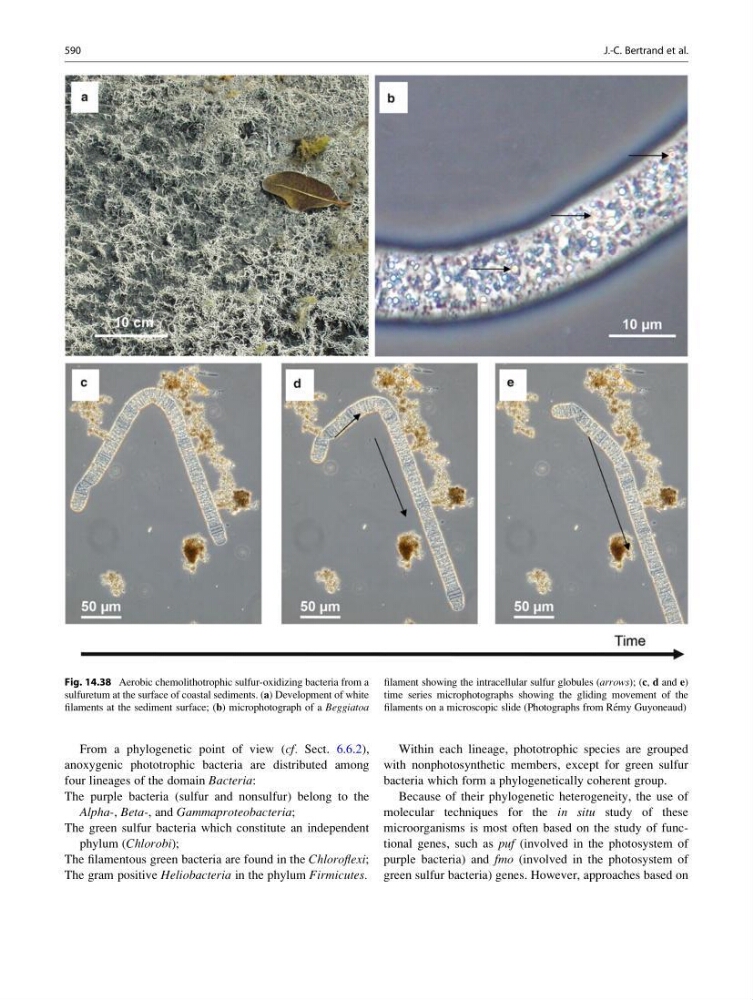
Fig. 14.38 Aerobic chemolithotrophic sulfur-oxidizing bacteria from a
sulfuretum at the surface of coastal sediments. (a) Development of white
filaments at the sediment surface; (b) microphotograph of a Beggiatoa
filament showing the intracellular sulfur globules (arrows); (c, d and e)
time series microphotographs showing the gliding movement of the
filaments on a microscopic slide (Photographs from Re ´my Guyoneaud)
590
J.-C. Bertrand et al.