

2. By a process of pseudofermentation (disproportionation)
from compounds containing one atom of carbon (C 1
compounds):
Methanol (e.g., Methanosarcina, Methanolobus):
4CH 3 OH ! 3CH 4 þ CO 2 þ 2H 2 O ‐130
ð
Þ
Formate (e.g., Methanobacterium, Methanococcus):
4HCOO
À
þ 2H
þ
! CH 4 þ CO 2 þ 2HCO 3
À
‐119:5
ð
Þ
Trimethyamine (e.g., Methanosarcina, Methanolobus):
4 CH 3
ð
Þ 3 NH
þ
þ 6H 2 O
! 9CH 4 þ 3CO 2 þ 4NH 4
þ
‐76
ð Þ
Dimethylsulfide (e.g., Methanomethylovorans):
CH 3
ð
ÞS þ H 2 O ! 1:5CH 4 þ 0:5CO 2 þ H 2 S ‐73:8
ð
Þ
3. From acetate: acetoclastic reaction (disproportionation)
(e.g., Methanosarcina, Methanosaeta):
CH 3 COO
À
þ H 2 O ! CH 4 þ HCO 3
À
‐36
ð Þ
Given the energetic efficiency of reactions described
earlier, methanogenesis will be efficiently expressed only if
electron acceptors such as dioxygen, nitrate, iron, manganese,
and sulfate, are absent or present in limiting concentrations, or if
the corresponding metabolisms are disadvantaged by physicochemical conditions of the concerned ecological niches.
Biological Methane Production Depending on Biotope
The CH 4 formation pathway and its intensity vary as a
function of biotope. It is possible to group the CH 4 -producing
ecosystems into three categories (Garcia et al. 2000):
1. Marine and lacustrian sediments, wetlands, ponds, rice
fields, sludge digesters where organic matter is fully
degraded. In the wastewater treatment in bioreactors
ANOXIC
ZONE
OXIC
ZONE
ANOXYGENIC
PHOTOSYNTHESIS
CHEMOLITHOTROPHY
CHEMOLITHOTROPHY
FERMENTATIONS
ANAEROBIC
RESPIRATIONS
OXYGENIC
PHOTOSYNTHESIS
AEROBIC
RESPIRATION
Formaldehyde
METHYLOTROPHS
methanol
METHANOTROPHS
CH 4 of biotic
origin released to
atmosphere
Abiotic
imputs
OM
CO 2
CO 2
CH 4
DMS
DMSP
methylamines
osmoregulators
H 2
formate
acetate
alcohols
methanol
METHANOTROPHIC
CONSORTIA
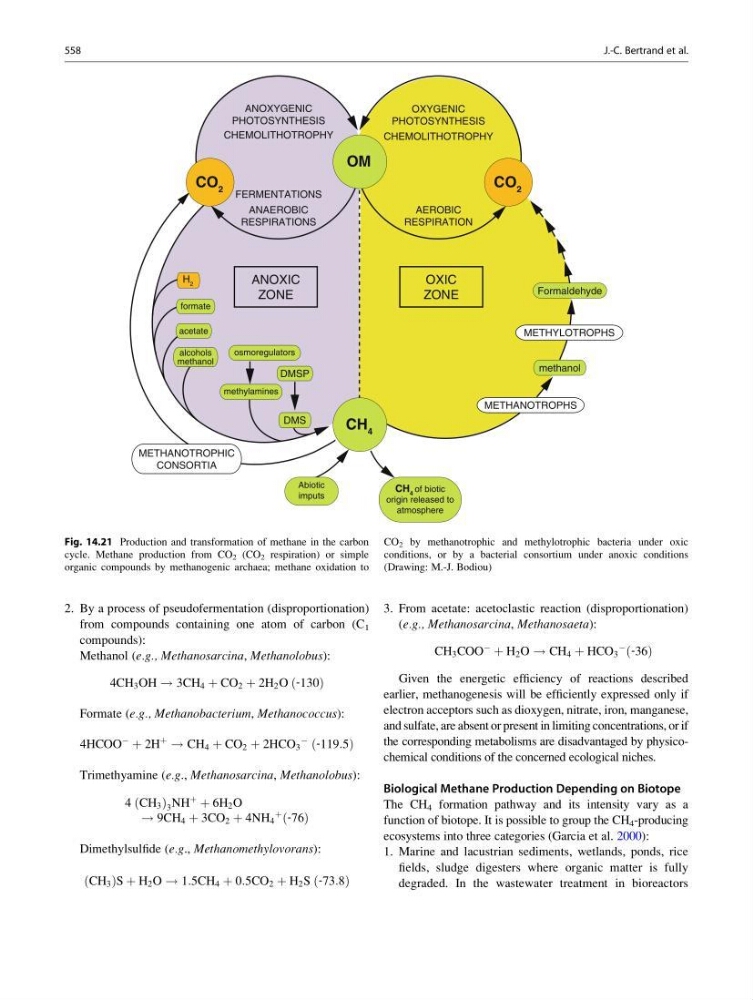
Fig. 14.21 Production and transformation of methane in the carbon
cycle. Methane production from CO 2 (CO 2 respiration) or simple
organic compounds by methanogenic archaea; methane oxidation to
CO 2 by methanotrophic and methylotrophic bacteria under oxic
conditions, or by a bacterial consortium under anoxic conditions
(Drawing: M.-J. Bodiou)
558
J.-C. Bertrand et al.
from compounds containing one atom of carbon (C 1
compounds):
Methanol (e.g., Methanosarcina, Methanolobus):
4CH 3 OH ! 3CH 4 þ CO 2 þ 2H 2 O ‐130
ð
Þ
Formate (e.g., Methanobacterium, Methanococcus):
4HCOO
À
þ 2H
þ
! CH 4 þ CO 2 þ 2HCO 3
À
‐119:5
ð
Þ
Trimethyamine (e.g., Methanosarcina, Methanolobus):
4 CH 3
ð
Þ 3 NH
þ
þ 6H 2 O
! 9CH 4 þ 3CO 2 þ 4NH 4
þ
‐76
ð Þ
Dimethylsulfide (e.g., Methanomethylovorans):
CH 3
ð
ÞS þ H 2 O ! 1:5CH 4 þ 0:5CO 2 þ H 2 S ‐73:8
ð
Þ
3. From acetate: acetoclastic reaction (disproportionation)
(e.g., Methanosarcina, Methanosaeta):
CH 3 COO
À
þ H 2 O ! CH 4 þ HCO 3
À
‐36
ð Þ
Given the energetic efficiency of reactions described
earlier, methanogenesis will be efficiently expressed only if
electron acceptors such as dioxygen, nitrate, iron, manganese,
and sulfate, are absent or present in limiting concentrations, or if
the corresponding metabolisms are disadvantaged by physicochemical conditions of the concerned ecological niches.
Biological Methane Production Depending on Biotope
The CH 4 formation pathway and its intensity vary as a
function of biotope. It is possible to group the CH 4 -producing
ecosystems into three categories (Garcia et al. 2000):
1. Marine and lacustrian sediments, wetlands, ponds, rice
fields, sludge digesters where organic matter is fully
degraded. In the wastewater treatment in bioreactors
ANOXIC
ZONE
OXIC
ZONE
ANOXYGENIC
PHOTOSYNTHESIS
CHEMOLITHOTROPHY
CHEMOLITHOTROPHY
FERMENTATIONS
ANAEROBIC
RESPIRATIONS
OXYGENIC
PHOTOSYNTHESIS
AEROBIC
RESPIRATION
Formaldehyde
METHYLOTROPHS
methanol
METHANOTROPHS
CH 4 of biotic
origin released to
atmosphere
Abiotic
imputs
OM
CO 2
CO 2
CH 4
DMS
DMSP
methylamines
osmoregulators
H 2
formate
acetate
alcohols
methanol
METHANOTROPHIC
CONSORTIA
Fig. 14.21 Production and transformation of methane in the carbon
cycle. Methane production from CO 2 (CO 2 respiration) or simple
organic compounds by methanogenic archaea; methane oxidation to
CO 2 by methanotrophic and methylotrophic bacteria under oxic
conditions, or by a bacterial consortium under anoxic conditions
(Drawing: M.-J. Bodiou)
558
J.-C. Bertrand et al.