

An important difference between natural transformation
and conjugation is that the latter allows transferring
plasmids. Plasmids are double-stranded DNA autonomous
genetic elements able of self-replication, meaning that they
do not need to be integrated into the chromosome to be
replicated in cells. Most plasmids are small and circular.
They are found in Bacteria, but also in Archaea and
Eucarya. Besides replication, plasmids carry genes involved
in various processes such as antibiotic resistance, detoxification, heavy metal resistance, etc., that may help organisms
carrying plasmids to survive in changing environments.
Among plasmids, conjugative plasmids encode the genes
required for conjugation (Thomas and Nielsen 2005). In
contrast, non-conjugative plasmids are not able to initiate
the conjugation process, even if they can be transferred with
the assistance of conjugative plasmids. In fact, the transfer of
chromosomes is also possible via conjugation, but it
involves their mobilization by a conjugative plasmid called
episome. Several mechanisms of conjugation have been
described, among which the best known occurred in Gramnegative bacteria. It allows the transfer of large plasmids and
requires the formation of sexual pilus* by the type IV
secretion system (Cascales and Christie 2003) which allows
the donor cell to come into contact with the recipient cell
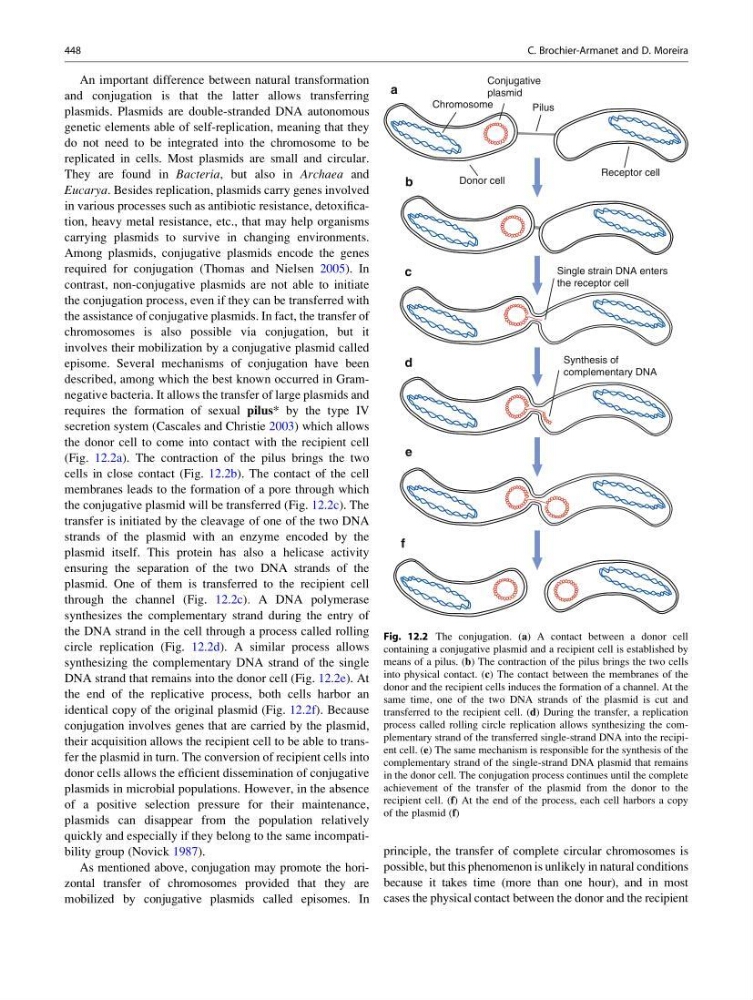
(Fig. 12.2a). The contraction of the pilus brings the two
cells in close contact (Fig. 12.2b). The contact of the cell
membranes leads to the formation of a pore through which
the conjugative plasmid will be transferred (Fig. 12.2c). The
transfer is initiated by the cleavage of one of the two DNA
strands of the plasmid with an enzyme encoded by the
plasmid itself. This protein has also a helicase activity
ensuring the separation of the two DNA strands of the
plasmid. One of them is transferred to the recipient cell
through the channel (Fig. 12.2c). A DNA polymerase
synthesizes the complementary strand during the entry of
the DNA strand in the cell through a process called rolling
circle replication (Fig. 12.2d). A similar process allows
synthesizing the complementary DNA strand of the single
DNA strand that remains into the donor cell (Fig. 12.2e). At
the end of the replicative process, both cells harbor an
identical copy of the original plasmid (Fig. 12.2f). Because
conjugation involves genes that are carried by the plasmid,
their acquisition allows the recipient cell to be able to transfer the plasmid in turn. The conversion of recipient cells into
donor cells allows the efficient dissemination of conjugative
plasmids in microbial populations. However, in the absence
of a positive selection pressure for their maintenance,
plasmids can disappear from the population relatively
quickly and especially if they belong to the same incompatibility group (Novick 1987).
As mentioned above, conjugation may promote the horizontal transfer of chromosomes provided that they are
mobilized by conjugative plasmids called episomes. In
principle, the transfer of complete circular chromosomes is
possible, but this phenomenon is unlikely in natural conditions
because it takes time (more than one hour), and in most
cases the physical contact between the donor and the recipient
a
b
c
d
e
f
Chromosome
Conjugative
plasmid
Donor cell
Receptor cell
Pilus
Single strain DNA enters
the receptor cell
Synthesis of
complementary DNA
Fig. 12.2 The conjugation. (a) A contact between a donor cell
containing a conjugative plasmid and a recipient cell is established by
means of a pilus. (b) The contraction of the pilus brings the two cells
into physical contact. (c) The contact between the membranes of the
donor and the recipient cells induces the formation of a channel. At the
same time, one of the two DNA strands of the plasmid is cut and
transferred to the recipient cell. (d) During the transfer, a replication
process called rolling circle replication allows synthesizing the complementary strand of the transferred single-strand DNA into the recipient cell. (e) The same mechanism is responsible for the synthesis of the
complementary strand of the single-strand DNA plasmid that remains
in the donor cell. The conjugation process continues until the complete
achievement of the transfer of the plasmid from the donor to the
recipient cell. (f) At the end of the process, each cell harbors a copy
of the plasmid (f)
448
C. Brochier-Armanet and D. Moreira
and conjugation is that the latter allows transferring
plasmids. Plasmids are double-stranded DNA autonomous
genetic elements able of self-replication, meaning that they
do not need to be integrated into the chromosome to be
replicated in cells. Most plasmids are small and circular.
They are found in Bacteria, but also in Archaea and
Eucarya. Besides replication, plasmids carry genes involved
in various processes such as antibiotic resistance, detoxification, heavy metal resistance, etc., that may help organisms
carrying plasmids to survive in changing environments.
Among plasmids, conjugative plasmids encode the genes
required for conjugation (Thomas and Nielsen 2005). In
contrast, non-conjugative plasmids are not able to initiate
the conjugation process, even if they can be transferred with
the assistance of conjugative plasmids. In fact, the transfer of
chromosomes is also possible via conjugation, but it
involves their mobilization by a conjugative plasmid called
episome. Several mechanisms of conjugation have been
described, among which the best known occurred in Gramnegative bacteria. It allows the transfer of large plasmids and
requires the formation of sexual pilus* by the type IV
secretion system (Cascales and Christie 2003) which allows
the donor cell to come into contact with the recipient cell
(Fig. 12.2a). The contraction of the pilus brings the two
cells in close contact (Fig. 12.2b). The contact of the cell
membranes leads to the formation of a pore through which
the conjugative plasmid will be transferred (Fig. 12.2c). The
transfer is initiated by the cleavage of one of the two DNA
strands of the plasmid with an enzyme encoded by the
plasmid itself. This protein has also a helicase activity
ensuring the separation of the two DNA strands of the
plasmid. One of them is transferred to the recipient cell
through the channel (Fig. 12.2c). A DNA polymerase
synthesizes the complementary strand during the entry of
the DNA strand in the cell through a process called rolling
circle replication (Fig. 12.2d). A similar process allows
synthesizing the complementary DNA strand of the single
DNA strand that remains into the donor cell (Fig. 12.2e). At
the end of the replicative process, both cells harbor an
identical copy of the original plasmid (Fig. 12.2f). Because
conjugation involves genes that are carried by the plasmid,
their acquisition allows the recipient cell to be able to transfer the plasmid in turn. The conversion of recipient cells into
donor cells allows the efficient dissemination of conjugative
plasmids in microbial populations. However, in the absence
of a positive selection pressure for their maintenance,
plasmids can disappear from the population relatively
quickly and especially if they belong to the same incompatibility group (Novick 1987).
As mentioned above, conjugation may promote the horizontal transfer of chromosomes provided that they are
mobilized by conjugative plasmids called episomes. In
principle, the transfer of complete circular chromosomes is
possible, but this phenomenon is unlikely in natural conditions
because it takes time (more than one hour), and in most
cases the physical contact between the donor and the recipient
a
b
c
d
e
f
Chromosome
Conjugative
plasmid
Donor cell
Receptor cell
Pilus
Single strain DNA enters
the receptor cell
Synthesis of
complementary DNA
Fig. 12.2 The conjugation. (a) A contact between a donor cell
containing a conjugative plasmid and a recipient cell is established by
means of a pilus. (b) The contraction of the pilus brings the two cells
into physical contact. (c) The contact between the membranes of the
donor and the recipient cells induces the formation of a channel. At the
same time, one of the two DNA strands of the plasmid is cut and
transferred to the recipient cell. (d) During the transfer, a replication
process called rolling circle replication allows synthesizing the complementary strand of the transferred single-strand DNA into the recipient cell. (e) The same mechanism is responsible for the synthesis of the
complementary strand of the single-strand DNA plasmid that remains
in the donor cell. The conjugation process continues until the complete
achievement of the transfer of the plasmid from the donor to the
recipient cell. (f) At the end of the process, each cell harbors a copy
of the plasmid (f)
448
C. Brochier-Armanet and D. Moreira