

346
infections. This was carried out at a water temperature of 23 °C, but curiously this
observation was not confi rmed at higher temperatures, e.g. 33 °C, when less resistance to infection was noted (Durve and Lovell 1982 ). Control groups of fi sh held at
23 °C and fed with diets devoid of vitamin C, all died within 96 h of infection with
10
3 cells administered via the i.p. route. With only 30 mg of vitamin C/kg of diet,
85 % mortality resulted in the recipient fi sh after challenge. These mortalities were
reduced to 60 % and 20 % following administration of 60 mg and 150 mg of vitamin
C/kg of diet, respectively. However, it is relevant to enquire whether or not the effective dose should be higher. Studies with channel catfi sh have shown than only 30 mg
of vitamin C/kg of diet was suffi cient to prevent vitamin defi ciencies, which manifest themselves as scoliosis and lordosis. Doubling the dose to 60 mg of vitamin C/
kg of diet enabled the maximum rate of wound repair in channel catfi sh (Lim and
Lovell 1978 ). As might be expected, there is some variation in the precise levels of
vitamin C needed for nutritional requirement among various species of fi sh. Among
the salmonids, rainbow trout needed 100 mg of vitamin C/kg of diet for normal
growth, but a tenfold increase enabled maximum wound repair to occur (Halver
et al. 1969 ). The precise effect of vitamin C on retarding bacterial infections remains
largely unknown, although several mechanisms have been postulated. Perhaps, leucocytic or phagocytic activity is stimulated, or synthesis and release of glucocorticoids enhanced (Durve and Lovell 1982 ).
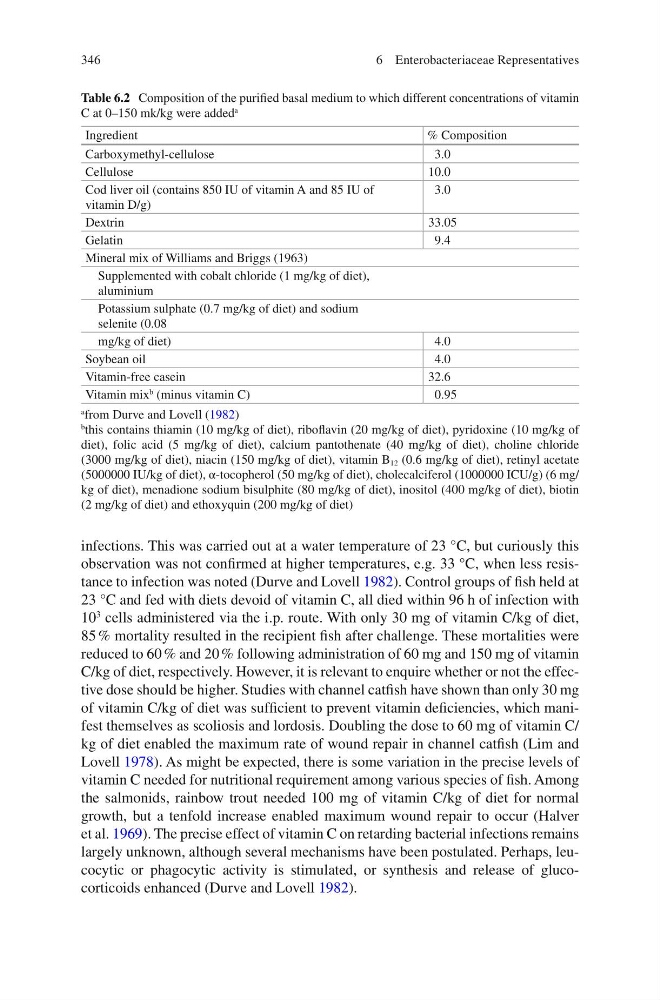
Table 6.2 Composition of the purifi ed basal medium to which different concentrations of vitamin
C at 0–150 mk/kg were added
a
Ingredient
% Composition
Carboxymethyl-cellulose
3.0
Cellulose
10.0
Cod liver oil (contains 850 IU of vitamin A and 85 IU of
vitamin D/g)
3.0
Dextrin
33.05
Gelatin
9.4
Mineral mix of Williams and Briggs (1963)
Supplemented with cobalt chloride (1 mg/kg of diet),
aluminium
Potassium sulphate (0.7 mg/kg of diet) and sodium
selenite (0.08
mg/kg of diet)
4.0
Soybean oil
4.0
Vitamin-free casein
32.6
Vitamin mix
b (minus vitamin C)
0.95
a
from Durve and Lovell ( 1982 )
b
this contains thiamin (10 mg/kg of diet), ribofl avin (20 mg/kg of diet), pyridoxine (10 mg/kg of
diet), folic acid (5 mg/kg of diet), calcium pantothenate (40 mg/kg of diet), choline chloride
(3000 mg/kg of diet), niacin (150 mg/kg of diet), vitamin B 12 (0.6 mg/kg of diet), retinyl acetate
(5000000 IU/kg of diet), α-tocopherol (50 mg/kg of diet), cholecalciferol (1000000 ICU/g) (6 mg/
kg of diet), menadione sodium bisulphite (80 mg/kg of diet), inositol (400 mg/kg of diet), biotin
(2 mg/kg of diet) and ethoxyquin (200 mg/kg of diet)
6 Enterobacteriaceae Representatives
infections. This was carried out at a water temperature of 23 °C, but curiously this
observation was not confi rmed at higher temperatures, e.g. 33 °C, when less resistance to infection was noted (Durve and Lovell 1982 ). Control groups of fi sh held at
23 °C and fed with diets devoid of vitamin C, all died within 96 h of infection with
10
3 cells administered via the i.p. route. With only 30 mg of vitamin C/kg of diet,
85 % mortality resulted in the recipient fi sh after challenge. These mortalities were
reduced to 60 % and 20 % following administration of 60 mg and 150 mg of vitamin
C/kg of diet, respectively. However, it is relevant to enquire whether or not the effective dose should be higher. Studies with channel catfi sh have shown than only 30 mg
of vitamin C/kg of diet was suffi cient to prevent vitamin defi ciencies, which manifest themselves as scoliosis and lordosis. Doubling the dose to 60 mg of vitamin C/
kg of diet enabled the maximum rate of wound repair in channel catfi sh (Lim and
Lovell 1978 ). As might be expected, there is some variation in the precise levels of
vitamin C needed for nutritional requirement among various species of fi sh. Among
the salmonids, rainbow trout needed 100 mg of vitamin C/kg of diet for normal
growth, but a tenfold increase enabled maximum wound repair to occur (Halver
et al. 1969 ). The precise effect of vitamin C on retarding bacterial infections remains
largely unknown, although several mechanisms have been postulated. Perhaps, leucocytic or phagocytic activity is stimulated, or synthesis and release of glucocorticoids enhanced (Durve and Lovell 1982 ).
Table 6.2 Composition of the purifi ed basal medium to which different concentrations of vitamin
C at 0–150 mk/kg were added
a
Ingredient
% Composition
Carboxymethyl-cellulose
3.0
Cellulose
10.0
Cod liver oil (contains 850 IU of vitamin A and 85 IU of
vitamin D/g)
3.0
Dextrin
33.05
Gelatin
9.4
Mineral mix of Williams and Briggs (1963)
Supplemented with cobalt chloride (1 mg/kg of diet),
aluminium
Potassium sulphate (0.7 mg/kg of diet) and sodium
selenite (0.08
mg/kg of diet)
4.0
Soybean oil
4.0
Vitamin-free casein
32.6
Vitamin mix
b (minus vitamin C)
0.95
a
from Durve and Lovell ( 1982 )
b
this contains thiamin (10 mg/kg of diet), ribofl avin (20 mg/kg of diet), pyridoxine (10 mg/kg of
diet), folic acid (5 mg/kg of diet), calcium pantothenate (40 mg/kg of diet), choline chloride
(3000 mg/kg of diet), niacin (150 mg/kg of diet), vitamin B 12 (0.6 mg/kg of diet), retinyl acetate
(5000000 IU/kg of diet), α-tocopherol (50 mg/kg of diet), cholecalciferol (1000000 ICU/g) (6 mg/
kg of diet), menadione sodium bisulphite (80 mg/kg of diet), inositol (400 mg/kg of diet), biotin
(2 mg/kg of diet) and ethoxyquin (200 mg/kg of diet)
6 Enterobacteriaceae Representatives