

Models of reef diagenesis
Within the reef masses, hydrodynamic movements and
biological activities are determinant factors controlling in
various degrees and at different scales the physicochemical conditions in which diagenetic processes are operating.
Early marine cementation
One of the most important mechanisms causing the active
preferential lithification of external reef margins is the
strong hydrodynamics able to displace large volumes of
seawater through the reef framework from the external
reef flanks to the internal zones, and hence providing significant inputs of dissolved calcium carbonate. Additionally, the textural properties of reef sediments typical
from these environments, principally represented by
grain-supported facies with high porosity and permeability, also favor the circulation of oceanic water through
the reef mass.
The development of marine cementation is independent
of climate and of the type of reef complex. As a
consequence, the fact that marine cementation is more
developed along the reef margin has been recognized in
numerous modern reef platforms, islands, and atolls and
has been also frequently observed in many fossil examples
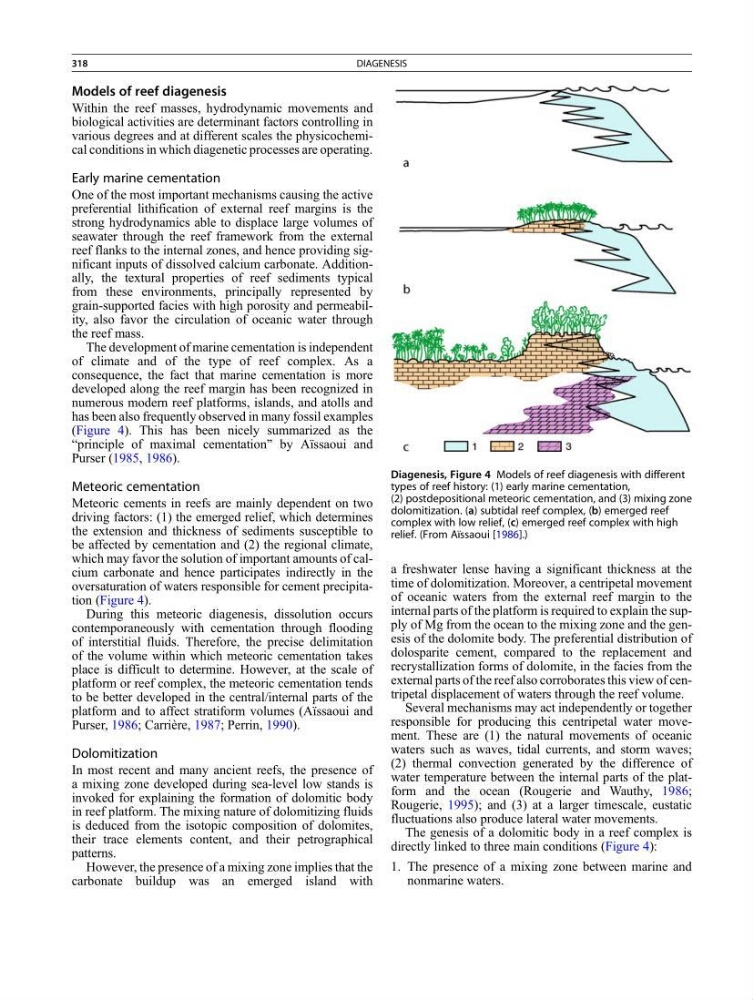
(Figure 4). This has been nicely summarized as the
“principle of maximal cementation” by Aïssaoui and
Purser (1985, 1986).
Meteoric cementation
Meteoric cements in reefs are mainly dependent on two
driving factors: (1) the emerged relief, which determines
the extension and thickness of sediments susceptible to
be affected by cementation and (2) the regional climate,
which may favor the solution of important amounts of calcium carbonate and hence participates indirectly in the
oversaturation of waters responsible for cement precipitation (Figure 4).
During this meteoric diagenesis, dissolution occurs
contemporaneously with cementation through flooding
of interstitial fluids. Therefore, the precise delimitation
of the volume within which meteoric cementation takes
place is difficult to determine. However, at the scale of
platform or reef complex, the meteoric cementation tends
to be better developed in the central/internal parts of the
platform and to affect stratiform volumes (Aïssaoui and
Purser, 1986; Carrière, 1987; Perrin, 1990).
Dolomitization
In most recent and many ancient reefs, the presence of
a mixing zone developed during sea-level low stands is
invoked for explaining the formation of dolomitic body
in reef platform. The mixing nature of dolomitizing fluids
is deduced from the isotopic composition of dolomites,
their trace elements content, and their petrographical
patterns.
However, the presence of a mixing zone implies that the
carbonate buildup was an emerged island with
a freshwater lense having a significant thickness at the
time of dolomitization. Moreover, a centripetal movement
of oceanic waters from the external reef margin to the
internal parts of the platform is required to explain the supply of Mg from the ocean to the mixing zone and the genesis of the dolomite body. The preferential distribution of
dolosparite cement, compared to the replacement and
recrystallization forms of dolomite, in the facies from the
external parts of the reef also corroborates this view of centripetal displacement of waters through the reef volume.
Several mechanisms may act independently or together
responsible for producing this centripetal water movement. These are (1) the natural movements of oceanic
waters such as waves, tidal currents, and storm waves;
(2) thermal convection generated by the difference of
water temperature between the internal parts of the platform and the ocean (Rougerie and Wauthy, 1986;
Rougerie, 1995); and (3) at a larger timescale, eustatic
fluctuations also produce lateral water movements.
The genesis of a dolomitic body in a reef complex is
directly linked to three main conditions (Figure 4):
1. The presence of a mixing zone between marine and
nonmarine waters.
Diagenesis, Figure 4 Models of reef diagenesis with different
types of reef history: (1) early marine cementation,
(2) postdepositional meteoric cementation, and (3) mixing zone
dolomitization. (a) subtidal reef complex, (b) emerged reef
complex with low relief, (c) emerged reef complex with high
relief. (From Aı ¨ssaoui [1986].)
318
DIAGENESIS
Within the reef masses, hydrodynamic movements and
biological activities are determinant factors controlling in
various degrees and at different scales the physicochemical conditions in which diagenetic processes are operating.
Early marine cementation
One of the most important mechanisms causing the active
preferential lithification of external reef margins is the
strong hydrodynamics able to displace large volumes of
seawater through the reef framework from the external
reef flanks to the internal zones, and hence providing significant inputs of dissolved calcium carbonate. Additionally, the textural properties of reef sediments typical
from these environments, principally represented by
grain-supported facies with high porosity and permeability, also favor the circulation of oceanic water through
the reef mass.
The development of marine cementation is independent
of climate and of the type of reef complex. As a
consequence, the fact that marine cementation is more
developed along the reef margin has been recognized in
numerous modern reef platforms, islands, and atolls and
has been also frequently observed in many fossil examples
(Figure 4). This has been nicely summarized as the
“principle of maximal cementation” by Aïssaoui and
Purser (1985, 1986).
Meteoric cementation
Meteoric cements in reefs are mainly dependent on two
driving factors: (1) the emerged relief, which determines
the extension and thickness of sediments susceptible to
be affected by cementation and (2) the regional climate,
which may favor the solution of important amounts of calcium carbonate and hence participates indirectly in the
oversaturation of waters responsible for cement precipitation (Figure 4).
During this meteoric diagenesis, dissolution occurs
contemporaneously with cementation through flooding
of interstitial fluids. Therefore, the precise delimitation
of the volume within which meteoric cementation takes
place is difficult to determine. However, at the scale of
platform or reef complex, the meteoric cementation tends
to be better developed in the central/internal parts of the
platform and to affect stratiform volumes (Aïssaoui and
Purser, 1986; Carrière, 1987; Perrin, 1990).
Dolomitization
In most recent and many ancient reefs, the presence of
a mixing zone developed during sea-level low stands is
invoked for explaining the formation of dolomitic body
in reef platform. The mixing nature of dolomitizing fluids
is deduced from the isotopic composition of dolomites,
their trace elements content, and their petrographical
patterns.
However, the presence of a mixing zone implies that the
carbonate buildup was an emerged island with
a freshwater lense having a significant thickness at the
time of dolomitization. Moreover, a centripetal movement
of oceanic waters from the external reef margin to the
internal parts of the platform is required to explain the supply of Mg from the ocean to the mixing zone and the genesis of the dolomite body. The preferential distribution of
dolosparite cement, compared to the replacement and
recrystallization forms of dolomite, in the facies from the
external parts of the reef also corroborates this view of centripetal displacement of waters through the reef volume.
Several mechanisms may act independently or together
responsible for producing this centripetal water movement. These are (1) the natural movements of oceanic
waters such as waves, tidal currents, and storm waves;
(2) thermal convection generated by the difference of
water temperature between the internal parts of the platform and the ocean (Rougerie and Wauthy, 1986;
Rougerie, 1995); and (3) at a larger timescale, eustatic
fluctuations also produce lateral water movements.
The genesis of a dolomitic body in a reef complex is
directly linked to three main conditions (Figure 4):
1. The presence of a mixing zone between marine and
nonmarine waters.
Diagenesis, Figure 4 Models of reef diagenesis with different
types of reef history: (1) early marine cementation,
(2) postdepositional meteoric cementation, and (3) mixing zone
dolomitization. (a) subtidal reef complex, (b) emerged reef
complex with low relief, (c) emerged reef complex with high
relief. (From Aı ¨ssaoui [1986].)
318
DIAGENESIS