

101
distinguish from each other because of the composition of their bones. Here, the lipid
contents in the lower jaw of selected whales: 30 % in the rorquals, 20 % in the grey
whale and 7.2 % in the odontocete sperm whale. We can note an increase in lipid
content towards the rear of the skull from the tip of the upper jaw in the species listed
above. Interestingly, about 84 % oil content was measured by Feltmann et al. ( 1948 )
for the mandible of a blue whale. It was reported (Zylberberg et al. 1998 ) that the
rostrum bones of toothed whale M. densirostris do contain large amounts of lipids.
Probably, lipids play their own role in the mineralization process and may contribute to the specifi c mechanical properties of mineralized tissues of whales.
Whale bones such as ribs with a vertical orientation tend to be more soaked with
oil in the lower extremities. A seemingly counterintuitive observation is that the
spinous processes of some vertebrae, which stand vertically above the vertebral
bodies, and the upper margins of the scapulae are often oily at the uppermost
extremities. This presumably refl ects the pore size distribution of the spongy bone
tissues where oil is drawn into the smallest available pores by capillary forces that
can overcome gravity. This wicking of oil into different parts of the bone architecture can be seen in several skeletal elements. Furthermore, oil can be seen to have
wicked up into the thick layers of dust lying on the upper surfaces of vertebrae
(Fig. 3.4 ) (Turner-Walker 2012 ). Thus, it is not surprisingly that in Inuit culture,
whale bones were burned directly as well as used for fuel by cutting them to liberate
the oil (see Heizer 1963 ).
The composition of whale oils varies considerably between species but like
all oils derived from marine animals it is characterized by a high proportion of
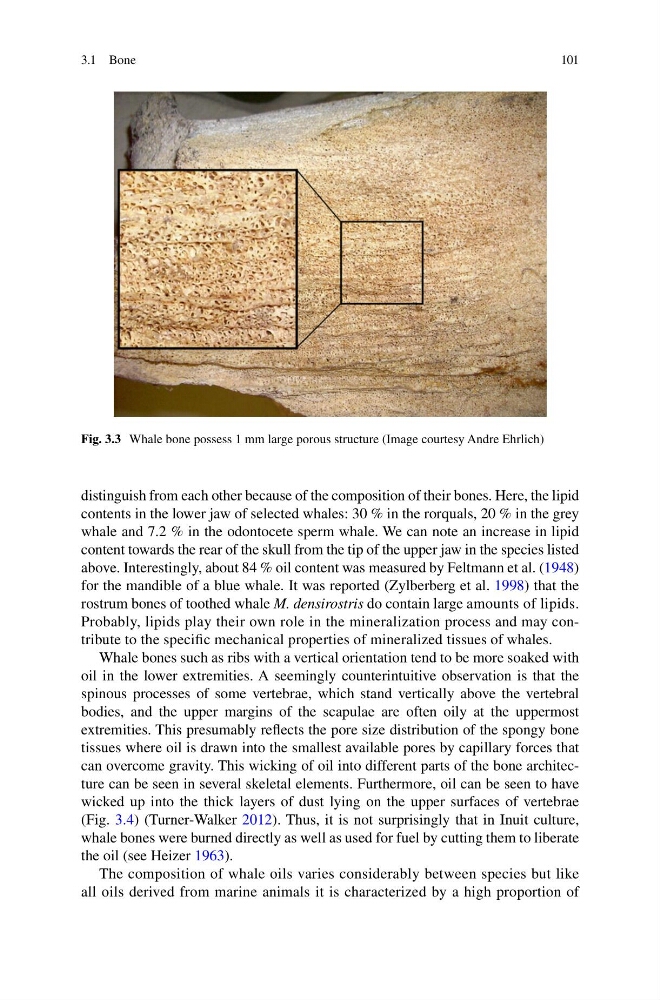
Fig. 3.3 Whale bone possess 1 mm large porous structure (Image courtesy Andre Ehrlich)
3.1 Bone
distinguish from each other because of the composition of their bones. Here, the lipid
contents in the lower jaw of selected whales: 30 % in the rorquals, 20 % in the grey
whale and 7.2 % in the odontocete sperm whale. We can note an increase in lipid
content towards the rear of the skull from the tip of the upper jaw in the species listed
above. Interestingly, about 84 % oil content was measured by Feltmann et al. ( 1948 )
for the mandible of a blue whale. It was reported (Zylberberg et al. 1998 ) that the
rostrum bones of toothed whale M. densirostris do contain large amounts of lipids.
Probably, lipids play their own role in the mineralization process and may contribute to the specifi c mechanical properties of mineralized tissues of whales.
Whale bones such as ribs with a vertical orientation tend to be more soaked with
oil in the lower extremities. A seemingly counterintuitive observation is that the
spinous processes of some vertebrae, which stand vertically above the vertebral
bodies, and the upper margins of the scapulae are often oily at the uppermost
extremities. This presumably refl ects the pore size distribution of the spongy bone
tissues where oil is drawn into the smallest available pores by capillary forces that
can overcome gravity. This wicking of oil into different parts of the bone architecture can be seen in several skeletal elements. Furthermore, oil can be seen to have
wicked up into the thick layers of dust lying on the upper surfaces of vertebrae
(Fig. 3.4 ) (Turner-Walker 2012 ). Thus, it is not surprisingly that in Inuit culture,
whale bones were burned directly as well as used for fuel by cutting them to liberate
the oil (see Heizer 1963 ).
The composition of whale oils varies considerably between species but like
all oils derived from marine animals it is characterized by a high proportion of
Fig. 3.3 Whale bone possess 1 mm large porous structure (Image courtesy Andre Ehrlich)
3.1 Bone