

SaOS-2 cells grown on silicatein/biosilica-modified sections of bone HA in medium
containing ascorbic acid and ß-glycerophosphate showed a significant stimulation
of mineralization compared to uncoated controls (Wiens et al. 2010b). After 5 days,
an enhanced formation of HA nodules, organized in longitudinal arrays or spherical
spots, was found on cells grown on the silicatein/biosilica-modified HA surface
(Fig. 10.5b), while in control cells grown on uncoated substrates only occasional
clusters of small HA rods were seen (Fig. 10.5a) (Wiens et al. 2010b). Nodules of
>1 mm in size emerged from cell clusters, consisting of up to eight single cells. HRSEM analyses of the fine structure of the growing HA nodules revealed that they are
initially at least partially covered with cell protrusions (Fig. 10.5c and d) which are
later retracted (Fig. 10.5e and f). The nodules consist of irregularly arranged prismlike nanorods (Chen et al. 2005) as resolved at higher magnification (Fig. 10.5g and
h) (Wiens et al. 2010b). EDX analyses of the elemental composition of the nodules
formed by SaOS-2 cells revealed the presence of Ca and P (HA; spectrum 2 in
Fig. 10.5j), while only Si, O, C, Mg, and Na, which originate from both cells and
biosilica coating, could be detected in cells in the vicinity of the nodules (spectrum
1 in Fig. 10.5j); the corresponding electron microscopic image showing the two
areas analyzed by EDX is shown in Fig. 10.5i (Wiens et al. 2010b).
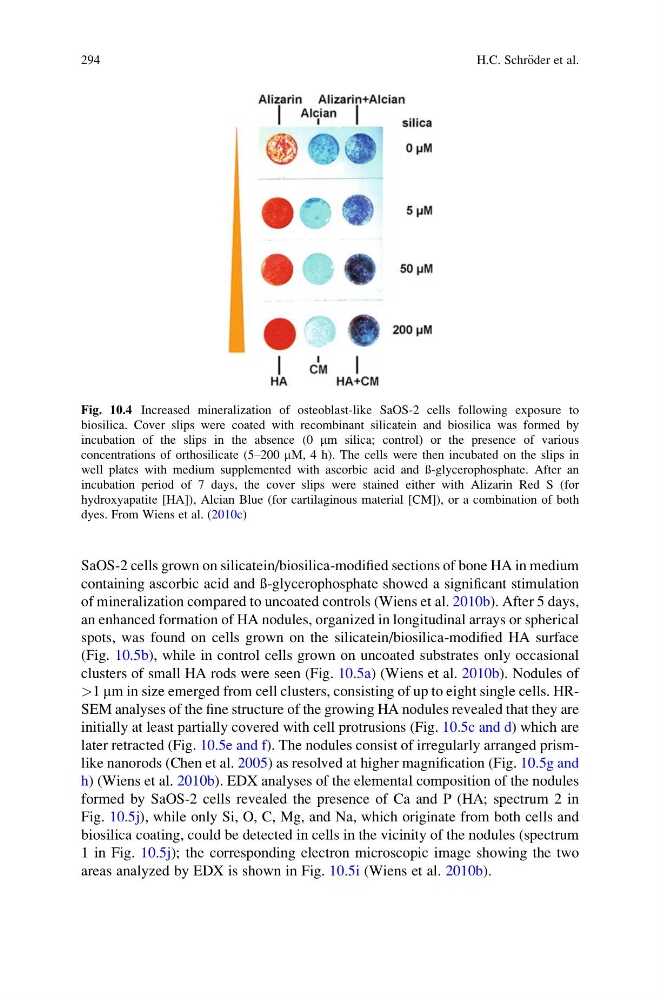
Fig. 10.4 Increased mineralization of osteoblast-like SaOS-2 cells following exposure to
biosilica. Cover slips were coated with recombinant silicatein and biosilica was formed by
incubation of the slips in the absence (0 mm silica; control) or the presence of various
concentrations of orthosilicate (5–200 mM, 4 h). The cells were then incubated on the slips in
well plates with medium supplemented with ascorbic acid and ß-glycerophosphate. After an
incubation period of 7 days, the cover slips were stained either with Alizarin Red S (for
hydroxyapatite [HA]), Alcian Blue (for cartilaginous material [CM]), or a combination of both
dyes. From Wiens et al. (2010c)
294
H.C. Schr€ oder et al.
containing ascorbic acid and ß-glycerophosphate showed a significant stimulation
of mineralization compared to uncoated controls (Wiens et al. 2010b). After 5 days,
an enhanced formation of HA nodules, organized in longitudinal arrays or spherical
spots, was found on cells grown on the silicatein/biosilica-modified HA surface
(Fig. 10.5b), while in control cells grown on uncoated substrates only occasional
clusters of small HA rods were seen (Fig. 10.5a) (Wiens et al. 2010b). Nodules of
>1 mm in size emerged from cell clusters, consisting of up to eight single cells. HRSEM analyses of the fine structure of the growing HA nodules revealed that they are
initially at least partially covered with cell protrusions (Fig. 10.5c and d) which are
later retracted (Fig. 10.5e and f). The nodules consist of irregularly arranged prismlike nanorods (Chen et al. 2005) as resolved at higher magnification (Fig. 10.5g and
h) (Wiens et al. 2010b). EDX analyses of the elemental composition of the nodules
formed by SaOS-2 cells revealed the presence of Ca and P (HA; spectrum 2 in
Fig. 10.5j), while only Si, O, C, Mg, and Na, which originate from both cells and
biosilica coating, could be detected in cells in the vicinity of the nodules (spectrum
1 in Fig. 10.5j); the corresponding electron microscopic image showing the two
areas analyzed by EDX is shown in Fig. 10.5i (Wiens et al. 2010b).
Fig. 10.4 Increased mineralization of osteoblast-like SaOS-2 cells following exposure to
biosilica. Cover slips were coated with recombinant silicatein and biosilica was formed by
incubation of the slips in the absence (0 mm silica; control) or the presence of various
concentrations of orthosilicate (5–200 mM, 4 h). The cells were then incubated on the slips in
well plates with medium supplemented with ascorbic acid and ß-glycerophosphate. After an
incubation period of 7 days, the cover slips were stained either with Alizarin Red S (for
hydroxyapatite [HA]), Alcian Blue (for cartilaginous material [CM]), or a combination of both
dyes. From Wiens et al. (2010c)
294
H.C. Schr€ oder et al.