

52
Reef Environments
of uptake and release. Moreover, corals excrete not only inorganic but also
a sighificant amount of organic nutrients (D'Elia 1977). The real uptake
could be measured only with the use of labeled Nand P compounds
(Pomeroy et al. 1974; D'Elia 1977; Burris 1983; Atkinson 1987a). We have
measured flow rates of P04-P between corals and surrounding water using
radiolabeled phosphate 32P04. The experiments showed that at low
concentrations of P04-P, close to the ambient ones in coral-reef waters
(0.1-0.3moll- I ), its change in water during the exposure of corals does not
reflect real rates of P04-P uptake at all, because the consumption is masked
by its simultaneously proceeding excretion. Moreover, at low concentrations
of P04-P the loss often exceded the uptake and thus the content of P04-P in
water in the presence of coral was not decreasing, but even increasing
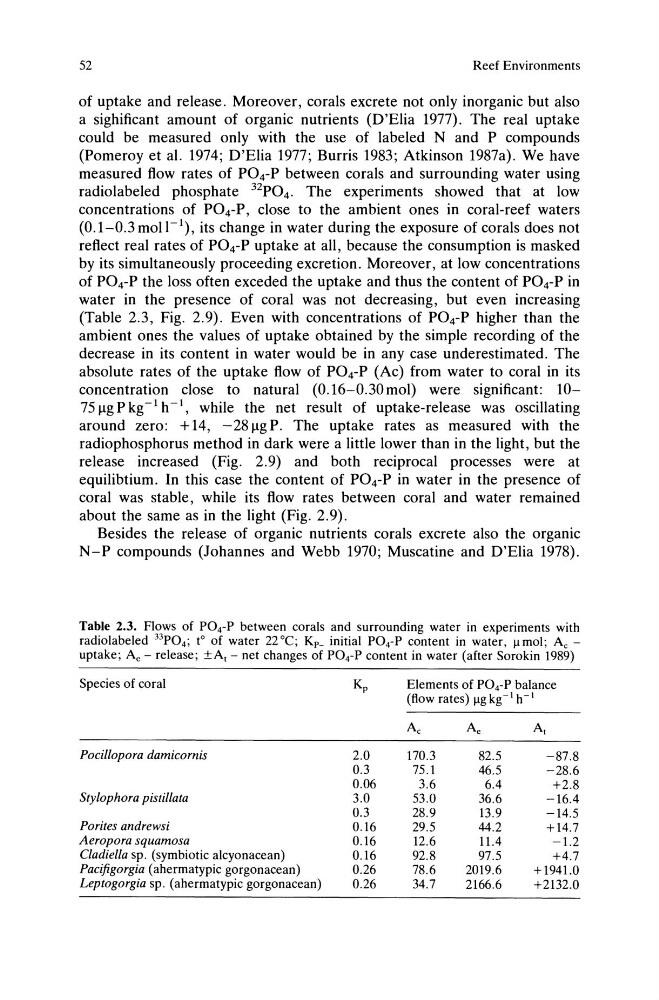
(Table 2.3, Fig. 2.9). Even with concentrations of P04-P higher than the
ambient ones the values of uptake obtained by the simple recording of the
decrease in its content in water would be in any case underestimated. The
absolute rates of the uptake flow of P04-P (Ac) from water to coral in its
concentration close to natural (0.16-0.30 mol) were significant: 1075 Ilg P kg -I h -\, while the net result of uptake-release was oscillating
around zero: + 14, - 281lg P. The uptake rates as measured with the
radiophosphorus method in dark were a little lower than in the light, but the
release increased (Fig. 2.9) and both reciprocal processes were at
equilibtium. In this case the content of P04-P in water in the presence of
coral was stable, while its flow rates between coral and water remained
about the same as in the light (Fig. 2.9).
Besides the release of organic nutrients corals excrete also the organic
N-P compounds (Johannes and Webb 1970; Muscatine and D'Elia 1978).
Table 2.3. Flows of P04-P between corals and surrounding water in experiments with
radiolabeled 33P04 ; to of water 22°C; Kp_ initial P04-P content in water, Il mol; Ac -
uptake; Ac - release; ±At - net changes of P04-P content in water (after Sorokin 1989)
Species of coral
Kp
Elements of P04-P balance
(flow rates) Ilg kg- 1 h- 1
Ac
Ac
At
Pocillopora damicornis
2.0
170.3
82.5
-87.8
0.3
75.1
46.5
-28.6
0.06
3.6
6.4
+2.8
Stylophora pistillata
3.0
53.0
36.6
-16.4
0.3
28.9
13.9
-14.5
Porites andrewsi
0.16
29.5
44.2
+14.7
Aeropora squamosa
0.16
12.6
11.4
-1.2
Cladiella sp. (symbiotic alcyonacean)
0.16
92.8
97.5
+4.7
Pacifigorgia (ahermatypic gorgonacean)
0.26
78.6
2019.6
+ 1941.0
Leptogorgia sp. (ahermatypic gorgonacean)
0.26
34.7
2166.6
+2132.0
Reef Environments
of uptake and release. Moreover, corals excrete not only inorganic but also
a sighificant amount of organic nutrients (D'Elia 1977). The real uptake
could be measured only with the use of labeled Nand P compounds
(Pomeroy et al. 1974; D'Elia 1977; Burris 1983; Atkinson 1987a). We have
measured flow rates of P04-P between corals and surrounding water using
radiolabeled phosphate 32P04. The experiments showed that at low
concentrations of P04-P, close to the ambient ones in coral-reef waters
(0.1-0.3moll- I ), its change in water during the exposure of corals does not
reflect real rates of P04-P uptake at all, because the consumption is masked
by its simultaneously proceeding excretion. Moreover, at low concentrations
of P04-P the loss often exceded the uptake and thus the content of P04-P in
water in the presence of coral was not decreasing, but even increasing
(Table 2.3, Fig. 2.9). Even with concentrations of P04-P higher than the
ambient ones the values of uptake obtained by the simple recording of the
decrease in its content in water would be in any case underestimated. The
absolute rates of the uptake flow of P04-P (Ac) from water to coral in its
concentration close to natural (0.16-0.30 mol) were significant: 1075 Ilg P kg -I h -\, while the net result of uptake-release was oscillating
around zero: + 14, - 281lg P. The uptake rates as measured with the
radiophosphorus method in dark were a little lower than in the light, but the
release increased (Fig. 2.9) and both reciprocal processes were at
equilibtium. In this case the content of P04-P in water in the presence of
coral was stable, while its flow rates between coral and water remained
about the same as in the light (Fig. 2.9).
Besides the release of organic nutrients corals excrete also the organic
N-P compounds (Johannes and Webb 1970; Muscatine and D'Elia 1978).
Table 2.3. Flows of P04-P between corals and surrounding water in experiments with
radiolabeled 33P04 ; to of water 22°C; Kp_ initial P04-P content in water, Il mol; Ac -
uptake; Ac - release; ±At - net changes of P04-P content in water (after Sorokin 1989)
Species of coral
Kp
Elements of P04-P balance
(flow rates) Ilg kg- 1 h- 1
Ac
Ac
At
Pocillopora damicornis
2.0
170.3
82.5
-87.8
0.3
75.1
46.5
-28.6
0.06
3.6
6.4
+2.8
Stylophora pistillata
3.0
53.0
36.6
-16.4
0.3
28.9
13.9
-14.5
Porites andrewsi
0.16
29.5
44.2
+14.7
Aeropora squamosa
0.16
12.6
11.4
-1.2
Cladiella sp. (symbiotic alcyonacean)
0.16
92.8
97.5
+4.7
Pacifigorgia (ahermatypic gorgonacean)
0.26
78.6
2019.6
+ 1941.0
Leptogorgia sp. (ahermatypic gorgonacean)
0.26
34.7
2166.6
+2132.0