

late nineteenth century and during the twentieth century
spread widely, including into saltmarshes (Meyerson
et al., 2009). Although native P. australis had occurred
in upper saltmarshes in America, the European form is
more salt tolerant (Vasquez et al., 2005), and this has been
a factor in its spread. It now forms extensive near monocultures at many localities. A range of adverse consequences of this spread has been identified; however, it
also offers potential benefits particularly through accumulation of peat, raising the ground surface and conferring
protection against sea-level rise (Meyerson et al., 2009).
Hybridization between native and introduced forms of
Phragmites has been reported (Meyerson et al., 2010),
further complicating issues.
Although there are strong similarities between the
floras of inland and coastal saline habitats, particularly at
generic level, there are differences. The genus Tamarix is
native to Asia and Africa, in arid and inland saline habitats. A number of species of Tamarix were introduced into
the United States in the nineteenth century (Di Tomaso,
1998) where they were used as windbreaks, ornamentals,
and for erosion control. Subsequently, they have come to
be regarded as amongst America’s worst weeds. More
recently, they have been reported invading coastal
saltmarshes in California (Whitcraft et al., 2007). Tamarix
spp. are shrubs to low trees, but they lack modified aerial
root systems, so that even though they may convert
saltmarsh to woodland, the new community formed would
not be regarded as mangrove.
In regions where saltmarsh and mangroves coexist,
expansion of mangroves into saltmarsh is occurring in
several parts of the world (Saintilan et al., 2009), but most
extensively in Australasia. This gives rise to questions for
natural resource managers. Both saltmarsh and mangroves
are recognized as being of high conservation value.
Should action be taken to limit or prevent mangrove invasion, or should the loss of saltmarsh be allowed to
continue?
Humans and saltmarshes
There is a long history of human utilization of saltmarsh
resources (Adam, 1990; Gedan et al., 2009). Hunter gathering was (and, locally, is) widely practiced by indigenous
peoples on saltmarshes around the world.
In northern Europe, many early agricultural settlements
from the late prehistoric onwards were close to, or even
on, saltmarshes. In the Netherlands, marshes supported
grazing by livestock, were utilized for haymaking and
for the collection of a variety of plant resources and even
for cropping (Bakker, 1989; Meier, 2004; Knottnerus,
2005; Gedan et al., 2009). Similar practices were introduced during the colonial era into the Americas and
Australia.
The agricultural use of saltmarshes has declined in
many parts of the world, but it is still locally important
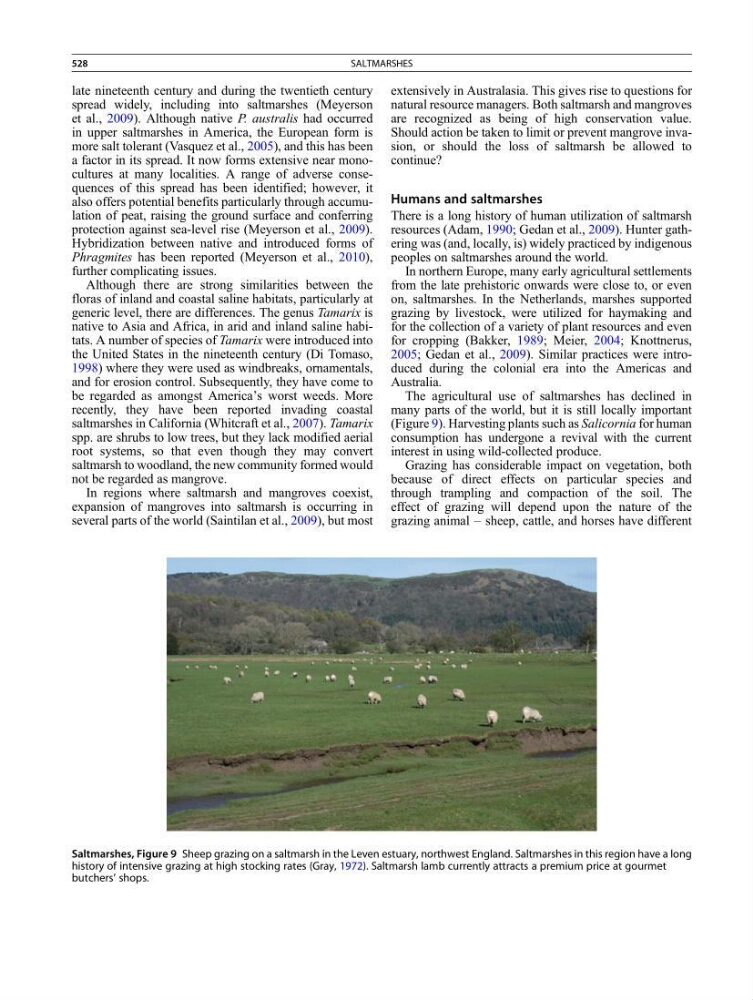
(Figure 9). Harvesting plants such as Salicornia for human
consumption has undergone a revival with the current
interest in using wild-collected produce.
Grazing has considerable impact on vegetation, both
because of direct effects on particular species and
through trampling and compaction of the soil. The
effect of grazing will depend upon the nature of the
grazing animal – sheep, cattle, and horses have different
Saltmarshes, Figure 9 Sheep grazing on a saltmarsh in the Leven estuary, northwest England. Saltmarshes in this region have a long
history of intensive grazing at high stocking rates (Gray, 1972). Saltmarsh lamb currently attracts a premium price at gourmet
butchers’ shops.
528
SALTMARSHES
spread widely, including into saltmarshes (Meyerson
et al., 2009). Although native P. australis had occurred
in upper saltmarshes in America, the European form is
more salt tolerant (Vasquez et al., 2005), and this has been
a factor in its spread. It now forms extensive near monocultures at many localities. A range of adverse consequences of this spread has been identified; however, it
also offers potential benefits particularly through accumulation of peat, raising the ground surface and conferring
protection against sea-level rise (Meyerson et al., 2009).
Hybridization between native and introduced forms of
Phragmites has been reported (Meyerson et al., 2010),
further complicating issues.
Although there are strong similarities between the
floras of inland and coastal saline habitats, particularly at
generic level, there are differences. The genus Tamarix is
native to Asia and Africa, in arid and inland saline habitats. A number of species of Tamarix were introduced into
the United States in the nineteenth century (Di Tomaso,
1998) where they were used as windbreaks, ornamentals,
and for erosion control. Subsequently, they have come to
be regarded as amongst America’s worst weeds. More
recently, they have been reported invading coastal
saltmarshes in California (Whitcraft et al., 2007). Tamarix
spp. are shrubs to low trees, but they lack modified aerial
root systems, so that even though they may convert
saltmarsh to woodland, the new community formed would
not be regarded as mangrove.
In regions where saltmarsh and mangroves coexist,
expansion of mangroves into saltmarsh is occurring in
several parts of the world (Saintilan et al., 2009), but most
extensively in Australasia. This gives rise to questions for
natural resource managers. Both saltmarsh and mangroves
are recognized as being of high conservation value.
Should action be taken to limit or prevent mangrove invasion, or should the loss of saltmarsh be allowed to
continue?
Humans and saltmarshes
There is a long history of human utilization of saltmarsh
resources (Adam, 1990; Gedan et al., 2009). Hunter gathering was (and, locally, is) widely practiced by indigenous
peoples on saltmarshes around the world.
In northern Europe, many early agricultural settlements
from the late prehistoric onwards were close to, or even
on, saltmarshes. In the Netherlands, marshes supported
grazing by livestock, were utilized for haymaking and
for the collection of a variety of plant resources and even
for cropping (Bakker, 1989; Meier, 2004; Knottnerus,
2005; Gedan et al., 2009). Similar practices were introduced during the colonial era into the Americas and
Australia.
The agricultural use of saltmarshes has declined in
many parts of the world, but it is still locally important
(Figure 9). Harvesting plants such as Salicornia for human
consumption has undergone a revival with the current
interest in using wild-collected produce.
Grazing has considerable impact on vegetation, both
because of direct effects on particular species and
through trampling and compaction of the soil. The
effect of grazing will depend upon the nature of the
grazing animal – sheep, cattle, and horses have different
Saltmarshes, Figure 9 Sheep grazing on a saltmarsh in the Leven estuary, northwest England. Saltmarshes in this region have a long
history of intensive grazing at high stocking rates (Gray, 1972). Saltmarsh lamb currently attracts a premium price at gourmet
butchers’ shops.
528
SALTMARSHES