

estuary that salinizes to hypersaline in summer, (3) the
saltwater intrusion in winter, and (4) the locally residual
lens of seawater in slightly denser estuarine water.
The Walpole-Nornalup Inlet estuary in southern Western Australia provides a case study of salinity distribution
and circulation patterns in winter and changes in the
marine-to-river salinity structure over the seasons
(Semeniuk et al., 2011). The estuary is microtidal and set
in a humid climate with high rainfall and three rivers
draining into the estuarine basin. The estuary is composed
of a small northern basin (Walpole Inlet) and a larger
southern basin (Nornalup Inlet). The estuary connects to
the Southern Ocean via a permanently open narrow channel where tidal exchange takes place. Figure 10 shows that
during midwinter in 1997, the surface waters of the
northern basin of Walpole Inlet had a salinity slightly less
than Nornalup Inlet. There are three areas of freshwater
influx corresponding to the rivers and creeks, but with
more marked freshwater dilution of the residual marine
water from 35 to 30 ppt and the zone of marine water
influx (with incursion of water of 35 ppt salinity). The
freshwater tongue emanating from the Frankland River
is close to the southeastern shore of Nornalup Inlet. The
basal waters in Walpole Inlet are well mixed, saline at
33 ppt, and slightly diluted by freshwater. Similarly, the
basal waters in Nornalup Inlet generally are well mixed
and saline at 34 ppt, slightly diluted by freshwater. The
minor influx of freshwater diluting the marine waters is
evident at the mouths of the Deep and Frankland Rivers.
However, the map of basal-water salinity shows a body
of marine water of salinity 35 ppt, deriving from the tidal
exchange channel, entering Nornalup Inlet as a curved
tongue. The map also shows a tongue of freshwater emanating from the Frankland River, remaining close to the
southeastern shore of Nornalup Inlet. That this freshwater
is in basal parts of the water column suggests that it is relatively dense and carrying suspended mud (to create
a dense, freshwater body). The geometry of flow, with
the invading tongue of marine water and the efflux of
freshwater, is interesting in that the marine water enters
Nornalup Inlet and moves clockwise, while the freshwater
from the Frankland River forms a plume, also moving
clockwise. In part this is due to Coriolis Force to deflect
the freshwater plume from the mouth of the Frankland
River toward the south (to the left), but it is also due to
the horizontal mixing driven by interaction of flood tidal
water and outflowing freshwater, the former deflecting
the outflowing freshwater to the right.
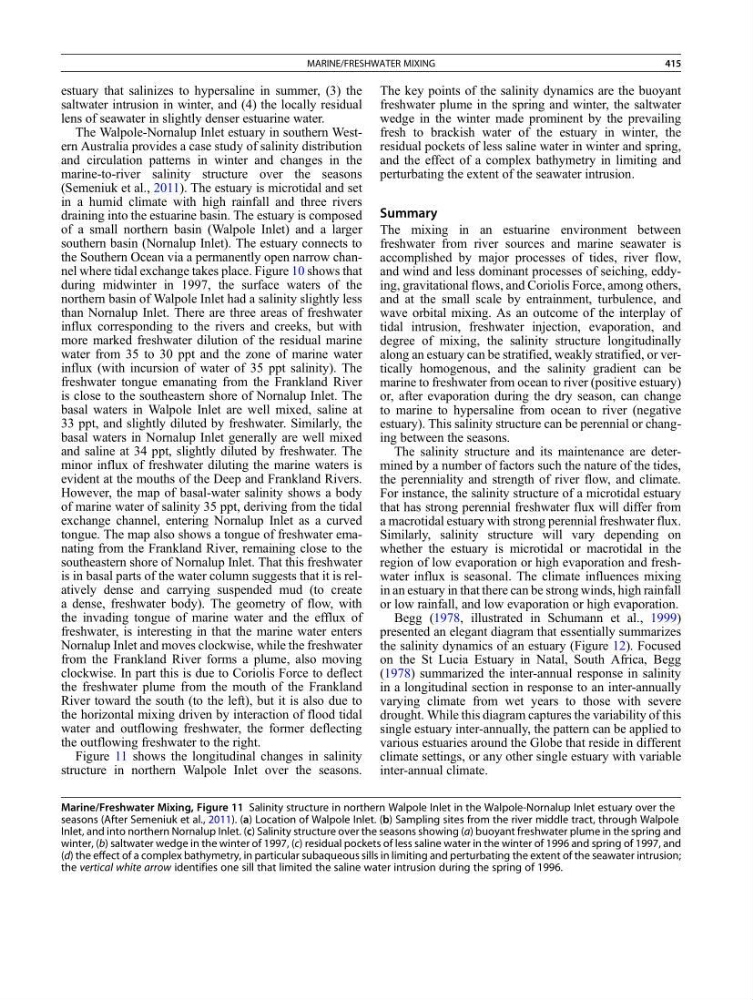
Figure 11 shows the longitudinal changes in salinity
structure in northern Walpole Inlet over the seasons.
The key points of the salinity dynamics are the buoyant
freshwater plume in the spring and winter, the saltwater
wedge in the winter made prominent by the prevailing
fresh to brackish water of the estuary in winter, the
residual pockets of less saline water in winter and spring,
and the effect of a complex bathymetry in limiting and
perturbating the extent of the seawater intrusion.
Summary
The mixing in an estuarine environment between
freshwater from river sources and marine seawater is
accomplished by major processes of tides, river flow,
and wind and less dominant processes of seiching, eddying, gravitational flows, and Coriolis Force, among others,
and at the small scale by entrainment, turbulence, and
wave orbital mixing. As an outcome of the interplay of
tidal intrusion, freshwater injection, evaporation, and
degree of mixing, the salinity structure longitudinally
along an estuary can be stratified, weakly stratified, or vertically homogenous, and the salinity gradient can be
marine to freshwater from ocean to river (positive estuary)
or, after evaporation during the dry season, can change
to marine to hypersaline from ocean to river (negative
estuary). This salinity structure can be perennial or changing between the seasons.
The salinity structure and its maintenance are determined by a number of factors such the nature of the tides,
the perenniality and strength of river flow, and climate.
For instance, the salinity structure of a microtidal estuary
that has strong perennial freshwater flux will differ from
a macrotidal estuary with strong perennial freshwater flux.
Similarly, salinity structure will vary depending on
whether the estuary is microtidal or macrotidal in the
region of low evaporation or high evaporation and freshwater influx is seasonal. The climate influences mixing
in an estuary in that there can be strong winds, high rainfall
or low rainfall, and low evaporation or high evaporation.
Begg (1978, illustrated in Schumann et al., 1999)
presented an elegant diagram that essentially summarizes
the salinity dynamics of an estuary (Figure 12). Focused
on the St Lucia Estuary in Natal, South Africa, Begg
(1978) summarized the inter-annual response in salinity
in a longitudinal section in response to an inter-annually
varying climate from wet years to those with severe
drought. While this diagram captures the variability of this
single estuary inter-annually, the pattern can be applied to
various estuaries around the Globe that reside in different
climate settings, or any other single estuary with variable
inter-annual climate.
Marine/Freshwater Mixing, Figure 11 Salinity structure in northern Walpole Inlet in the Walpole-Nornalup Inlet estuary over the
seasons (After Semeniuk et al., 2011). (a) Location of Walpole Inlet. (b) Sampling sites from the river middle tract, through Walpole
Inlet, and into northern Nornalup Inlet. (c) Salinity structure over the seasons showing (a) buoyant freshwater plume in the spring and
winter, (b) saltwater wedge in the winter of 1997, (c) residual pockets of less saline water in the winter of 1996 and spring of 1997, and
(d) the effect of a complex bathymetry, in particular subaqueous sills in limiting and perturbating the extent of the seawater intrusion;
the vertical white arrow identifies one sill that limited the saline water intrusion during the spring of 1996.
MARINE/FRESHWATER MIXING
415
saltwater intrusion in winter, and (4) the locally residual
lens of seawater in slightly denser estuarine water.
The Walpole-Nornalup Inlet estuary in southern Western Australia provides a case study of salinity distribution
and circulation patterns in winter and changes in the
marine-to-river salinity structure over the seasons
(Semeniuk et al., 2011). The estuary is microtidal and set
in a humid climate with high rainfall and three rivers
draining into the estuarine basin. The estuary is composed
of a small northern basin (Walpole Inlet) and a larger
southern basin (Nornalup Inlet). The estuary connects to
the Southern Ocean via a permanently open narrow channel where tidal exchange takes place. Figure 10 shows that
during midwinter in 1997, the surface waters of the
northern basin of Walpole Inlet had a salinity slightly less
than Nornalup Inlet. There are three areas of freshwater
influx corresponding to the rivers and creeks, but with
more marked freshwater dilution of the residual marine
water from 35 to 30 ppt and the zone of marine water
influx (with incursion of water of 35 ppt salinity). The
freshwater tongue emanating from the Frankland River
is close to the southeastern shore of Nornalup Inlet. The
basal waters in Walpole Inlet are well mixed, saline at
33 ppt, and slightly diluted by freshwater. Similarly, the
basal waters in Nornalup Inlet generally are well mixed
and saline at 34 ppt, slightly diluted by freshwater. The
minor influx of freshwater diluting the marine waters is
evident at the mouths of the Deep and Frankland Rivers.
However, the map of basal-water salinity shows a body
of marine water of salinity 35 ppt, deriving from the tidal
exchange channel, entering Nornalup Inlet as a curved
tongue. The map also shows a tongue of freshwater emanating from the Frankland River, remaining close to the
southeastern shore of Nornalup Inlet. That this freshwater
is in basal parts of the water column suggests that it is relatively dense and carrying suspended mud (to create
a dense, freshwater body). The geometry of flow, with
the invading tongue of marine water and the efflux of
freshwater, is interesting in that the marine water enters
Nornalup Inlet and moves clockwise, while the freshwater
from the Frankland River forms a plume, also moving
clockwise. In part this is due to Coriolis Force to deflect
the freshwater plume from the mouth of the Frankland
River toward the south (to the left), but it is also due to
the horizontal mixing driven by interaction of flood tidal
water and outflowing freshwater, the former deflecting
the outflowing freshwater to the right.
Figure 11 shows the longitudinal changes in salinity
structure in northern Walpole Inlet over the seasons.
The key points of the salinity dynamics are the buoyant
freshwater plume in the spring and winter, the saltwater
wedge in the winter made prominent by the prevailing
fresh to brackish water of the estuary in winter, the
residual pockets of less saline water in winter and spring,
and the effect of a complex bathymetry in limiting and
perturbating the extent of the seawater intrusion.
Summary
The mixing in an estuarine environment between
freshwater from river sources and marine seawater is
accomplished by major processes of tides, river flow,
and wind and less dominant processes of seiching, eddying, gravitational flows, and Coriolis Force, among others,
and at the small scale by entrainment, turbulence, and
wave orbital mixing. As an outcome of the interplay of
tidal intrusion, freshwater injection, evaporation, and
degree of mixing, the salinity structure longitudinally
along an estuary can be stratified, weakly stratified, or vertically homogenous, and the salinity gradient can be
marine to freshwater from ocean to river (positive estuary)
or, after evaporation during the dry season, can change
to marine to hypersaline from ocean to river (negative
estuary). This salinity structure can be perennial or changing between the seasons.
The salinity structure and its maintenance are determined by a number of factors such the nature of the tides,
the perenniality and strength of river flow, and climate.
For instance, the salinity structure of a microtidal estuary
that has strong perennial freshwater flux will differ from
a macrotidal estuary with strong perennial freshwater flux.
Similarly, salinity structure will vary depending on
whether the estuary is microtidal or macrotidal in the
region of low evaporation or high evaporation and freshwater influx is seasonal. The climate influences mixing
in an estuary in that there can be strong winds, high rainfall
or low rainfall, and low evaporation or high evaporation.
Begg (1978, illustrated in Schumann et al., 1999)
presented an elegant diagram that essentially summarizes
the salinity dynamics of an estuary (Figure 12). Focused
on the St Lucia Estuary in Natal, South Africa, Begg
(1978) summarized the inter-annual response in salinity
in a longitudinal section in response to an inter-annually
varying climate from wet years to those with severe
drought. While this diagram captures the variability of this
single estuary inter-annually, the pattern can be applied to
various estuaries around the Globe that reside in different
climate settings, or any other single estuary with variable
inter-annual climate.
Marine/Freshwater Mixing, Figure 11 Salinity structure in northern Walpole Inlet in the Walpole-Nornalup Inlet estuary over the
seasons (After Semeniuk et al., 2011). (a) Location of Walpole Inlet. (b) Sampling sites from the river middle tract, through Walpole
Inlet, and into northern Nornalup Inlet. (c) Salinity structure over the seasons showing (a) buoyant freshwater plume in the spring and
winter, (b) saltwater wedge in the winter of 1997, (c) residual pockets of less saline water in the winter of 1996 and spring of 1997, and
(d) the effect of a complex bathymetry, in particular subaqueous sills in limiting and perturbating the extent of the seawater intrusion;
the vertical white arrow identifies one sill that limited the saline water intrusion during the spring of 1996.
MARINE/FRESHWATER MIXING
415