

Zone
Normal
Transitory
Polluted
Typical
Nucula
Labidoplax
Chaetozono
Capitella
macro·
Amphiura
Corbul.
Anaitidcs
Scolelopis
fauna
TcrcbelUdcs
Goniada
Pectinari.
domiRhodinc
1l1yasira
Myriochele
nanlS
Echinocardium
Pholo<:
Ophiodromu,
Nephrops
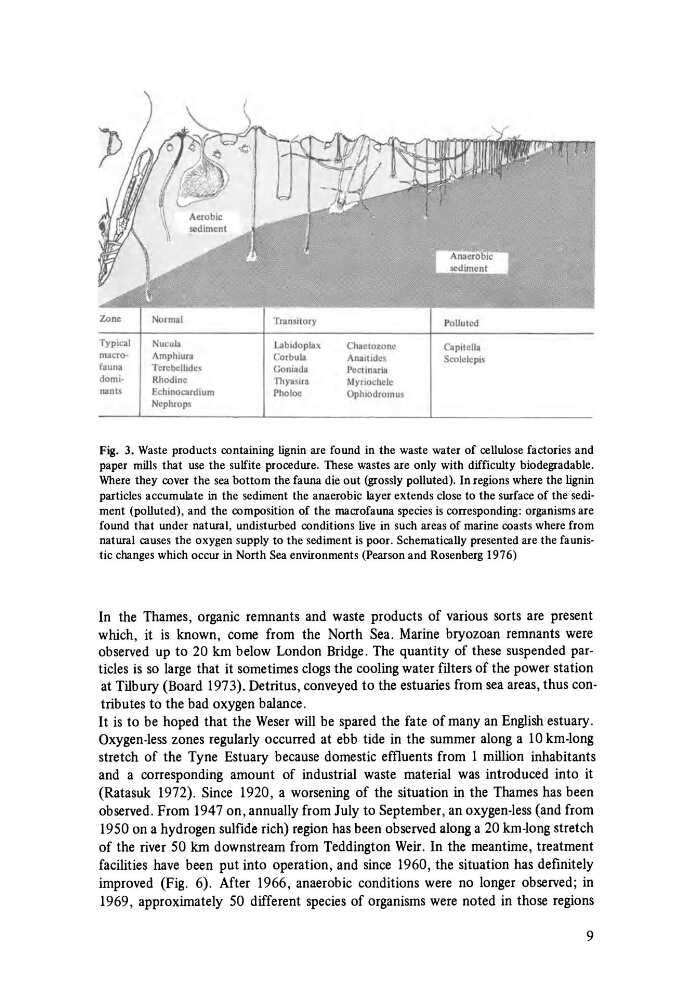
Fig_ 3. Waste products containing lignin are found in the waste water of cellulose factories and
paper mills that use the sulfite procedure. These wastes are only with difficulty biodegradable.
Where they cover the sea bottom the fauna die out (grossly polluted). In regions where the lignin
particles accumulate in the sediment the anaerobic layer extends close to the surface of the sediment (polluted), and the composition of the macrofauna species is corresponding: organisms are
found that under natural, undisturbed conditions live in such areas of marine coasts where from
natural causes the oxygen supply to the sediment is poor. Schematically presented are the faunistic changes which occur in North Sea environments (Pearson and Rosenberg 1976)
In the Thames, organic remnants and waste products of various sorts are present
which, it is known, come from the North Sea. Marine bryozoan remnants were
observed up to 20 Ian below London Bridge . The quantity of these suspended particles is so large that it sometimes clogs the cooling water filters of the power station
at Tilbury (Board 1973). Detritus, conveyed to the estuaries from sea areas, thus contributes to the bad oxygen balance.
It is to be hoped that the Weser will be spared the fate of many an English estuary.
Oxygen-less zones regularly occurred at ebb tide in the summer along a 10 km-long
stretch of the Tyne Estuary because domestic effluents from 1 million inhabitants
and a corresponding amount of industrial waste material was introduced into it
(Ratasuk 1972). Since 1920, a worsening of the situation in the Thames has been
observed. From 1947 on, annually from July to September, an oxygen-less (and from
1950 on a hydrogen sulfide rich) region has been observed along a 20 km-long stretch
of the river 50 Ian downstream from Teddington Weir. In the meantime, treatment
facilities have been put into operation, and since 1960, the situation has definitely
improved (Fig. 6). After 1966, anaerobic conditions were no longer observed; in
1969, approximately 50 different species of organisms were noted in those regions
9
Normal
Transitory
Polluted
Typical
Nucula
Labidoplax
Chaetozono
Capitella
macro·
Amphiura
Corbul.
Anaitidcs
Scolelopis
fauna
TcrcbelUdcs
Goniada
Pectinari.
domiRhodinc
1l1yasira
Myriochele
nanlS
Echinocardium
Pholo<:
Ophiodromu,
Nephrops
Fig_ 3. Waste products containing lignin are found in the waste water of cellulose factories and
paper mills that use the sulfite procedure. These wastes are only with difficulty biodegradable.
Where they cover the sea bottom the fauna die out (grossly polluted). In regions where the lignin
particles accumulate in the sediment the anaerobic layer extends close to the surface of the sediment (polluted), and the composition of the macrofauna species is corresponding: organisms are
found that under natural, undisturbed conditions live in such areas of marine coasts where from
natural causes the oxygen supply to the sediment is poor. Schematically presented are the faunistic changes which occur in North Sea environments (Pearson and Rosenberg 1976)
In the Thames, organic remnants and waste products of various sorts are present
which, it is known, come from the North Sea. Marine bryozoan remnants were
observed up to 20 Ian below London Bridge . The quantity of these suspended particles is so large that it sometimes clogs the cooling water filters of the power station
at Tilbury (Board 1973). Detritus, conveyed to the estuaries from sea areas, thus contributes to the bad oxygen balance.
It is to be hoped that the Weser will be spared the fate of many an English estuary.
Oxygen-less zones regularly occurred at ebb tide in the summer along a 10 km-long
stretch of the Tyne Estuary because domestic effluents from 1 million inhabitants
and a corresponding amount of industrial waste material was introduced into it
(Ratasuk 1972). Since 1920, a worsening of the situation in the Thames has been
observed. From 1947 on, annually from July to September, an oxygen-less (and from
1950 on a hydrogen sulfide rich) region has been observed along a 20 km-long stretch
of the river 50 Ian downstream from Teddington Weir. In the meantime, treatment
facilities have been put into operation, and since 1960, the situation has definitely
improved (Fig. 6). After 1966, anaerobic conditions were no longer observed; in
1969, approximately 50 different species of organisms were noted in those regions
9