

mg/kg
5
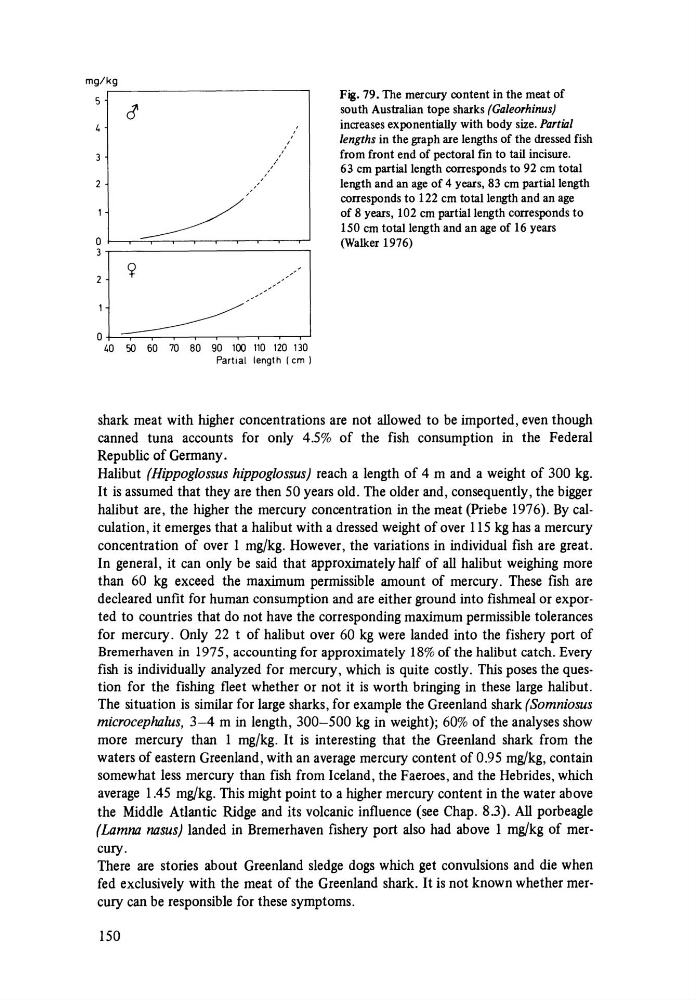
Fig. 79. The mercury content in the meat of
cJ
south Australian tope sharks (Galeorhinus)
4
increases exponentially with body size. Partial
,
lengths in the graph are lengths of the dressed fish
, ,
,
from front end of pectoral fin to tail incisure.
, /
63 em partial length corresponds to 92 em total
2
,
length and an age of 4 years, 83 em partial length
,
corresponds to 122 em total length and an age
~
of 8 years, 102 em partial length corresponds to
150 em total length and an age of 16 years
0
(Walker 1976)
3
Cf?
/
,
2
, ,
,
,
,
,
,
,
,
,
0
~
40 50 60 70 80 90 100 110 120 130
Partial length (em)
shark meat with higher concentrations are not allowed to be imported, even though
canned tuna accounts for only 4.5% of the fish consumption in the Federal
Republic of Germany.
Halibut (Hippoglossus hippoglossus) reach a length of 4 m and a weight of 300 kg.
It is assumed that they are then 50 years old. The older and, consequently, the bigger
halibut are, the higher the mercury concentration in the meat (Priebe 1976). By calculation, it emerges that a halibut with a dressed weight of over 115 kg has a mercury
concentration of over 1 mg/kg. However, the variations in individual fish are great.
In general, it can only be said that approximately half of all halibut weighing more
than 60 kg exceed the maximum permissible amount of mercury. These fish are
decleared unfit for human consumption and are either ground into fishmeal or exported to countries that do not have the corresponding maximum permissible tolerances
for mercury. Only 22 t of halibut over 60 kg were landed into the fishery port of
Bremerhaven in 1975, accounting for approximately 18% of the halibut catch. Every
fish is individually analyzed for mercury, which is quite costly. This poses the question for the fishing fleet whether or not it is worth bringing in these large halibut.
The situation is similar for large sharks, for example the Greenland shark (Somniosus
microcephalus, 3-4 m in length, 300-500 kg in weight); 60% of the analyses show
more mercury than 1 mg/kg. It is interesting that the Greenland shark from the
waters of eastern Greenland, with an average mercury content of 0.95 mg/kg, contain
somewhat less mercury than fish from Iceland, the Faeroes, and the Hebrides, which
average 1.45 mg/kg. This might point to a higher mercury content in the water above
the Middle Atlantic Ridge and its volcanic influence (see Chap. 8.3). All porbeagle
(Lamna nasus) landed in Bremerhaven fishery port also had above 1 mg/kg of mercury.
There are stories about Greenland sledge dogs which get convulsions and die when
fed exclusively with the meat of the Greenland shark. It is not known whether mercury can be responsible for these symptoms.
150
5
Fig. 79. The mercury content in the meat of
cJ
south Australian tope sharks (Galeorhinus)
4
increases exponentially with body size. Partial
,
lengths in the graph are lengths of the dressed fish
, ,
,
from front end of pectoral fin to tail incisure.
, /
63 em partial length corresponds to 92 em total
2
,
length and an age of 4 years, 83 em partial length
,
corresponds to 122 em total length and an age
~
of 8 years, 102 em partial length corresponds to
150 em total length and an age of 16 years
0
(Walker 1976)
3
Cf?
/
,
2
, ,
,
,
,
,
,
,
,
,
0
~
40 50 60 70 80 90 100 110 120 130
Partial length (em)
shark meat with higher concentrations are not allowed to be imported, even though
canned tuna accounts for only 4.5% of the fish consumption in the Federal
Republic of Germany.
Halibut (Hippoglossus hippoglossus) reach a length of 4 m and a weight of 300 kg.
It is assumed that they are then 50 years old. The older and, consequently, the bigger
halibut are, the higher the mercury concentration in the meat (Priebe 1976). By calculation, it emerges that a halibut with a dressed weight of over 115 kg has a mercury
concentration of over 1 mg/kg. However, the variations in individual fish are great.
In general, it can only be said that approximately half of all halibut weighing more
than 60 kg exceed the maximum permissible amount of mercury. These fish are
decleared unfit for human consumption and are either ground into fishmeal or exported to countries that do not have the corresponding maximum permissible tolerances
for mercury. Only 22 t of halibut over 60 kg were landed into the fishery port of
Bremerhaven in 1975, accounting for approximately 18% of the halibut catch. Every
fish is individually analyzed for mercury, which is quite costly. This poses the question for the fishing fleet whether or not it is worth bringing in these large halibut.
The situation is similar for large sharks, for example the Greenland shark (Somniosus
microcephalus, 3-4 m in length, 300-500 kg in weight); 60% of the analyses show
more mercury than 1 mg/kg. It is interesting that the Greenland shark from the
waters of eastern Greenland, with an average mercury content of 0.95 mg/kg, contain
somewhat less mercury than fish from Iceland, the Faeroes, and the Hebrides, which
average 1.45 mg/kg. This might point to a higher mercury content in the water above
the Middle Atlantic Ridge and its volcanic influence (see Chap. 8.3). All porbeagle
(Lamna nasus) landed in Bremerhaven fishery port also had above 1 mg/kg of mercury.
There are stories about Greenland sledge dogs which get convulsions and die when
fed exclusively with the meat of the Greenland shark. It is not known whether mercury can be responsible for these symptoms.
150