

Drugs and Leads from the Ocean Through Biotechnology 29.4 Quo Vadis? Marine Natural Products and Clinical Trials 719
Part F | 29.5
Table 29.1 Marine natural products and inspired compounds in clinical trials and their collected source, chemical class, and bioactivity (after [29.10, 70])
Metabolites Marine
organism
Chemical
class
Bioactivity
Aplidine
Aplidium
albicans
Cyclic
depsipeptide
Cancer/
antitumor
Bryostatin 1 Bugula
neritina
Polyketide
Cancer/
Alzheimer’s
Kahalalide F Elysia
rufescens
Cyclic peptide Lysosomes
antitubuin
Salinosporamide A
Salinispora
tropica/
arenicola
Lactam/
Lactone
derivative
Proteosomal
inhibitor
Pseudopterosins
Pseudopterogorgia
elisabethae
Diterpene
glycoside
Wound
healing
tropenia, with other adverse events including fatigue,
constipation, nausea, and vomiting [29.74]. The potent
cytotoxicity of hemiasterlin is due to the induction of
mitotic arrest in the metaphase with cellular dynamics similar to those of known tubulin binders, such as
the chemotherapeutics paclitaxel or vinblastine. Unfortunately, Phase II trials have been interrupted. Nevertheless, high antitumor activity obtained with mice studies applying HTI-286 and in refractory prostate cancer [29.75] make hemiasterlin highly promising.
29.4.1 ( C)-Discodermolide
In 1990, Gunasekera and co-workers [29.76] isolated
(C)-Discodermolide from the sponge Discodermia
dissoluta in Florida, USA. Discodermolide is a drug
that functions as an immunosuppressant [29.77, 78]
and induces G2/M phase cell-cycle arrest in lymphoid
and non-lymphoid cells [29.79]. The cytotoxicity
of (C)-discodermolide cause cell-cycle arrest by
mitosis [29.80, 81] and an important alteration at the
level of microtubules [29.82]. At present, Phase I trials
with (C)-discodermolide has been discontinued as
a consequence of unsafe efficacy and toxicity results.
However, potential remains for its use in combination
drug therapy. Dolastatin 10 is the name assigned
to a series of cytotoxic peptides that were isolated
from the sea hare Dolabella auricularia found in the
Western Indian Ocean in 1972 [29.83]. In spite of its
extremely low yields (90 mg of Dolastatin 10 per of
D. auricularia), dolastatin 10 exhibited outstanding in
vitro cytotoxic activity against cancer cells, specifically
against murine lymphocytic leukaemia cells. Dolastatin
10 is a potent antimitotic agent that inhibits microtubule assembly and tubulin polymerization.It has
demonstrated in vitro inhibitory activity against various
human cancer cell lines, including melanoma, sarcoma,
and ovarian cancer cells [29.85]; it entered several
Phase I and II clinical trials. Because of the negative
results of the Phase II clinical trials, dolastatin 10 has
been withdrawn from antitumor clinical trials [29.86].
Nevertheless, the new synthetic derivative TZT1027 [29.87] is currently being evaluated in Phase I
clinical trials in Japan, Europe, and the US [29.87, 88].
In 1990, the cyanobacteria Nostoc spp. (ATCC
53789) was used to isolate a group of tubulin-binding
compounds named Cryptophyincs by Schwartz and
co-workers (Fig. 29.7). A Phase II study involving
patients that had previously been treated with platinumcontaining chemotherapy agents was unsatisfactory,
and cryptophycin-52 was withdrawn from clinical
trials. More recently, the analogs cryptophycin-309 and
249 have been studied in preclinical trials as anticancer
drugs and seem promising for the next level of clinical trials [29.89]. Salinosporamide A or Marizomib
(Fig. 29.11) are natural product discovered and derived
from the marine actinomycetes Salinispora tropica
in [29.90], and from Salinispora arenicola respectively.
This marine strain contains the particular and characteristic ˇ-lactone and exerts a potent inhibition of
proteasome through a particular process of acylation
of N-terminal Thr1O
residue [29.91–93]. The commercial production of salinosporamide, marizomib,
involves a peculiar process of saline fermentation using
Salinispora tropica strain NPS21184 [29.90, 91]. This
compound has completed Phase I clinical trials and
has been shown to be effective against solid tumors
and multiple myeloma, as well as demonstrating
promissory bioactivity for use in combination with
chemotherapeutics.
Lead
Pharmacological
screen
Combinatorial
chemistry and
engineering
Highthroughput
screen
Multiple
candidates
Genetically
identified
leads
Pharmacologic
model
Single
candidate
Old paradigm
New paradigm
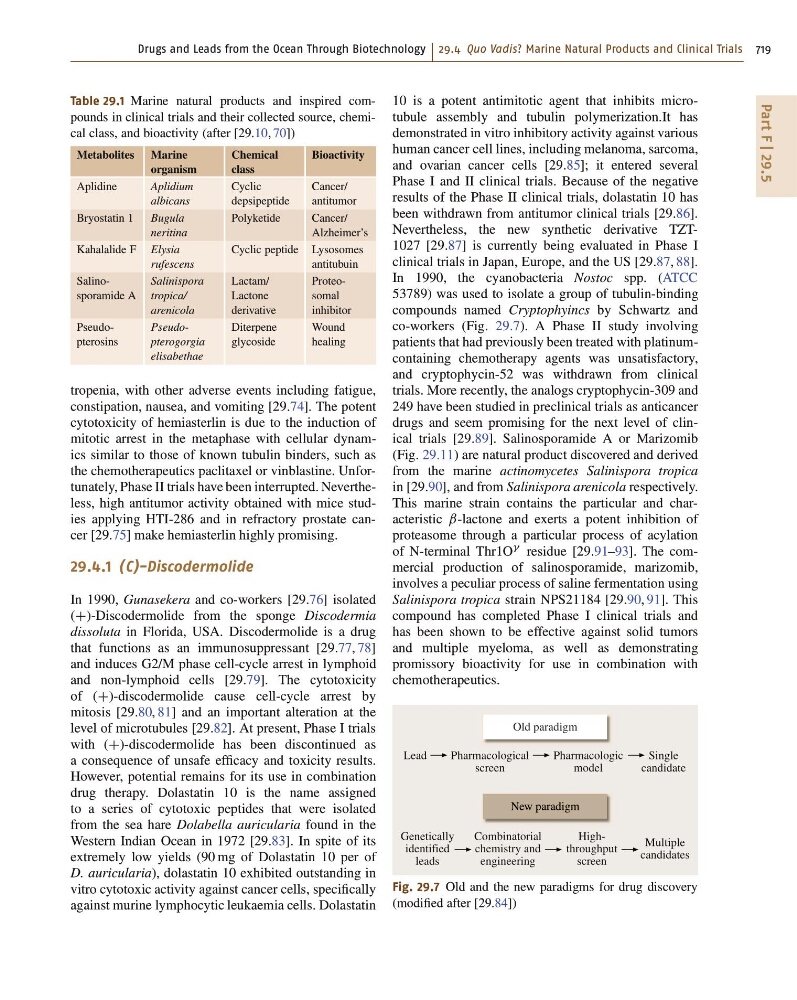
Fig. 29.7 Old and the new paradigms for drug discovery
(modified after [29.84])