

Drugs and Leads from the Ocean Through Biotechnology 29.2 Approved Marine Drugs as Pharmaceuticals 715
Part F | 29.2
OH
CKGKGAKCSRLMYDCCTGSCRSGKC#
Vira-A
Prialt
Trabectedin
Cytosar-U
Marine natural
products:
approved drugs
N
N
N
H
H
OH
HO
H
H O
N
O
NH2
OH
N
N
H
H
OH
HO
H
H O
NH2
O
O
O
O
S
H
N
N
OCH3
CH3
AcO
HO
NH
CH3
OH
HO
H3CO
H3C
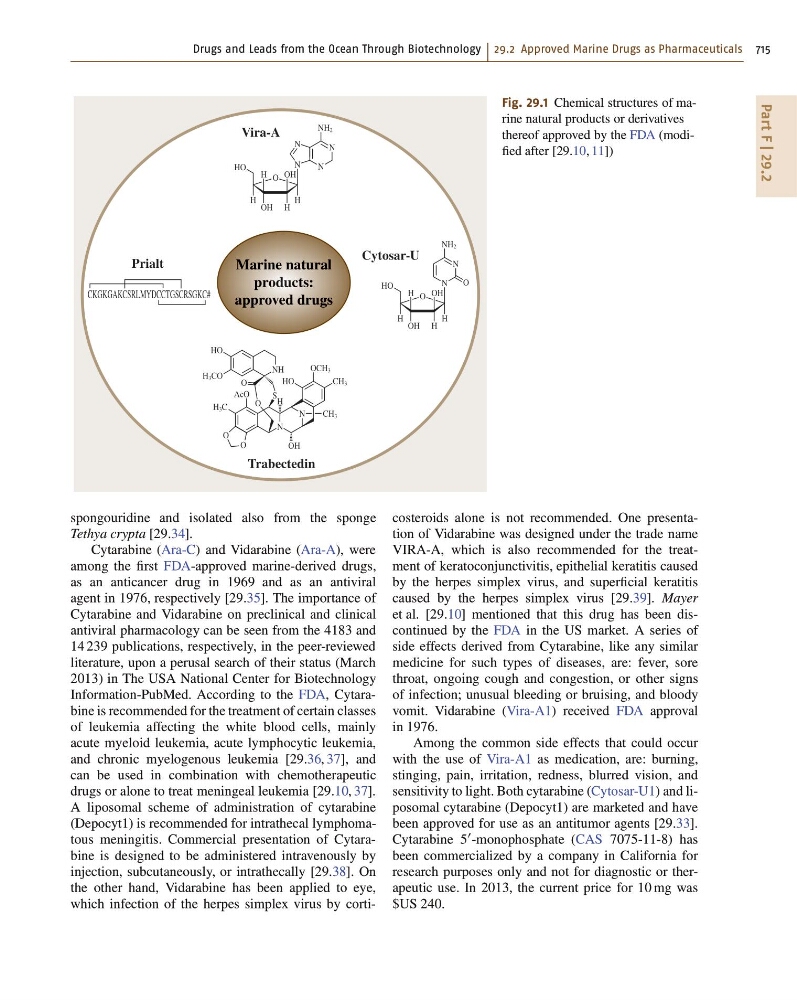
Fig. 29.1 Chemical structures of marine natural products or derivatives
thereof approved by the FDA (modified after [29.10, 11])
spongouridine and isolated also from the sponge
Tethya crypta [29.34].
Cytarabine (Ara-C) and Vidarabine (Ara-A), were
among the first FDA-approved marine-derived drugs,
as an anticancer drug in 1969 and as an antiviral
agent in 1976, respectively [29.35]. The importance of
Cytarabine and Vidarabine on preclinical and clinical
antiviral pharmacology can be seen from the 4183 and
14 239 publications, respectively, in the peer-reviewed
literature, upon a perusal search of their status (March
2013) in The USA National Center for Biotechnology
Information-PubMed. According to the FDA, Cytarabine is recommended for the treatment of certain classes
of leukemia affecting the white blood cells, mainly
acute myeloid leukemia, acute lymphocytic leukemia,
and chronic myelogenous leukemia [29.36, 37], and
can be used in combination with chemotherapeutic
drugs or alone to treat meningeal leukemia [29.10, 37].
A liposomal scheme of administration of cytarabine
(Depocyt1) is recommended for intrathecal lymphomatous meningitis. Commercial presentation of Cytarabine is designed to be administered intravenously by
injection, subcutaneously, or intrathecally [29.38]. On
the other hand, Vidarabine has been applied to eye,
which infection of the herpes simplex virus by corticosteroids alone is not recommended. One presentation of Vidarabine was designed under the trade name
VIRA-A, which is also recommended for the treatment of keratoconjunctivitis, epithelial keratitis caused
by the herpes simplex virus, and superficial keratitis
caused by the herpes simplex virus [29.39]. Mayer
et al. [29.10] mentioned that this drug has been discontinued by the FDA in the US market. A series of
side effects derived from Cytarabine, like any similar
medicine for such types of diseases, are: fever, sore
throat, ongoing cough and congestion, or other signs
of infection; unusual bleeding or bruising, and bloody
vomit. Vidarabine (Vira-A1) received FDA approval
in 1976.
Among the common side effects that could occur
with the use of Vira-A1 as medication, are: burning,
stinging, pain, irritation, redness, blurred vision, and
sensitivity to light. Both cytarabine (Cytosar-U1) and liposomal cytarabine (Depocyt1) are marketed and have
been approved for use as an antitumor agents [29.33].
Cytarabine 5
0 -monophosphate (CAS 7075-11-8) has
been commercialized by a company in California for
research purposes only and not for diagnostic or therapeutic use. In 2013, the current price for 10 mg was
$US 240.