

Part E | 26.3
656 Part E Marine Microbiology and Biotechnology
a)
b)
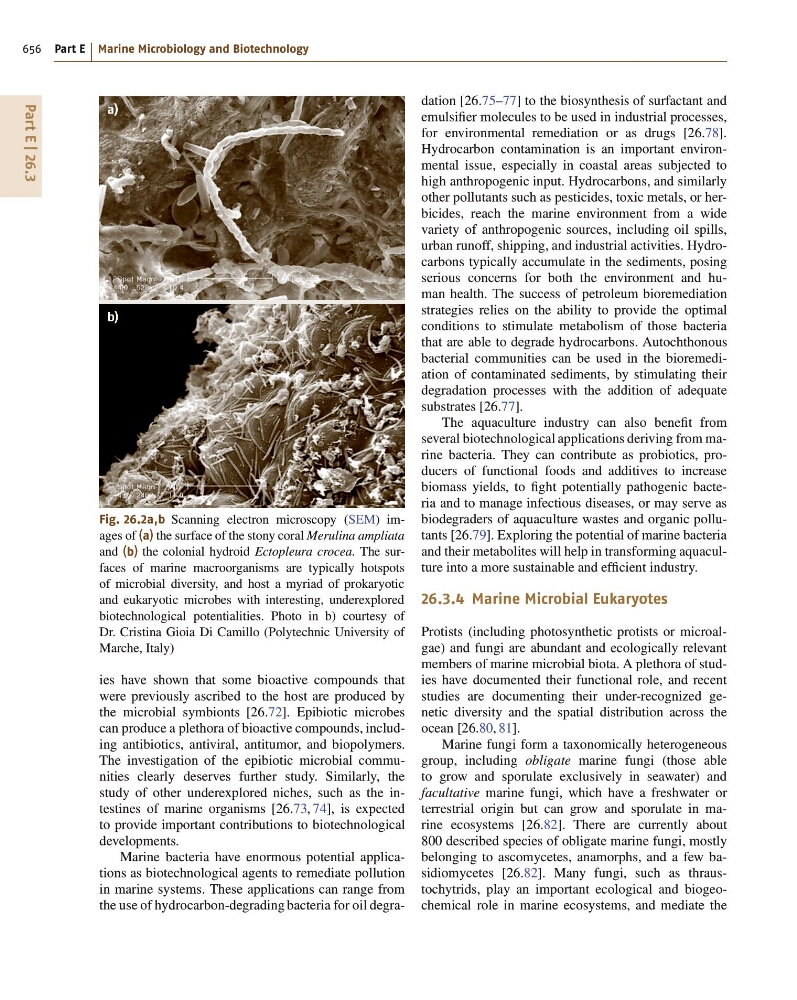
Fig. 26.2a,b Scanning electron microscopy (SEM) images of (a) the surface of the stony coral Merulina ampliata
and (b) the colonial hydroid Ectopleura crocea. The surfaces of marine macroorganisms are typically hotspots
of microbial diversity, and host a myriad of prokaryotic
and eukaryotic microbes with interesting, underexplored
biotechnological potentialities. Photo in b) courtesy of
Dr. Cristina Gioia Di Camillo (Polytechnic University of
Marche, Italy)
ies have shown that some bioactive compounds that
were previously ascribed to the host are produced by
the microbial symbionts [26.72]. Epibiotic microbes
can produce a plethora of bioactive compounds, including antibiotics, antiviral, antitumor, and biopolymers.
The investigation of the epibiotic microbial communities clearly deserves further study. Similarly, the
study of other underexplored niches, such as the intestines of marine organisms [26.73, 74], is expected
to provide important contributions to biotechnological
developments.
Marine bacteria have enormous potential applications as biotechnological agents to remediate pollution
in marine systems. These applications can range from
the use of hydrocarbon-degrading bacteria for oil degradation [26.75–77] to the biosynthesis of surfactant and
emulsifier molecules to be used in industrial processes,
for environmental remediation or as drugs [26.78].
Hydrocarbon contamination is an important environmental issue, especially in coastal areas subjected to
high anthropogenic input. Hydrocarbons, and similarly
other pollutants such as pesticides, toxic metals, or herbicides, reach the marine environment from a wide
variety of anthropogenic sources, including oil spills,
urban runoff, shipping, and industrial activities. Hydrocarbons typically accumulate in the sediments, posing
serious concerns for both the environment and human health. The success of petroleum bioremediation
strategies relies on the ability to provide the optimal
conditions to stimulate metabolism of those bacteria
that are able to degrade hydrocarbons. Autochthonous
bacterial communities can be used in the bioremediation of contaminated sediments, by stimulating their
degradation processes with the addition of adequate
substrates [26.77].
The aquaculture industry can also benefit from
several biotechnological applications deriving from marine bacteria. They can contribute as probiotics, producers of functional foods and additives to increase
biomass yields, to fight potentially pathogenic bacteria and to manage infectious diseases, or may serve as
biodegraders of aquaculture wastes and organic pollutants [26.79]. Exploring the potential of marine bacteria
and their metabolites will help in transforming aquaculture into a more sustainable and efficient industry.
26.3.4 Marine Microbial Eukaryotes
Protists (including photosynthetic protists or microalgae) and fungi are abundant and ecologically relevant
members of marine microbial biota. A plethora of studies have documented their functional role, and recent
studies are documenting their under-recognized genetic diversity and the spatial distribution across the
ocean [26.80, 81].
Marine fungi form a taxonomically heterogeneous
group, including obligate marine fungi (those able
to grow and sporulate exclusively in seawater) and
facultative marine fungi, which have a freshwater or
terrestrial origin but can grow and sporulate in marine ecosystems [26.82]. There are currently about
800 described species of obligate marine fungi, mostly
belonging to ascomycetes, anamorphs, and a few basidiomycetes [26.82]. Many fungi, such as thraustochytrids, play an important ecological and biogeochemical role in marine ecosystems, and mediate the