

Marine Metagenome and Supporting Technology 19.1 Bacteria and Marine Ecosystems 499
Part C | 19.1
metagenome samples among which one of their analysis conducted in the Sargasso Sea, resulted in the identification of at least 1800 different species, including
148 previously unknown bacterial phylotypes [19.15].
Based on these efforts, the application of marine
metagenomic research has further expanded to other
marine microorganisms, including viruses [19.16], archaea [19.17], and cyanobacteria [19.18].
In addition to the large amount of research conducted on marine ecosystems thus far, our research
is mainly focused on bacteria associated with marine sponges collected from Ishigaki island, Okinawa,
Japan. Bacterial symbionts were isolated from the
marine sponges Stylissa massa and Hyrtios erecta,
two species that are widely distributed on the ocean
floor. Metagenome DNA was extracted from these
sponges and 16S rRNA analyses of the diversity of
bacterial symbionts and metagenome libraries were
prepared. Based on the diversity of the analyses, it
was observed that sponges show similarity in bacterial populations (phylum level) between individual sponges. As for the metagenome libraries, libraries comprised of DNA fragments in the range
of 340 kbp were established, and subsequent gene
annotation and in silico screening of useful genes
via large-scale paired end sequencing also resulted in
the establishment of a database. We would also like
to introduce several unique and novel enzymes that
have been discovered from marine metagenomes in
the course of the work conducted by our research
group.
Esterase Screening
from a Sponge Metagenome Library
Esterases are enzymes that function in the breakdown
of esters into alcohol and acid via hydrolysis and are regarded as potentially important enzymes of industrial
value since they degrade natural materials, industrial
pollutants, and toxic wastes. They can also be useful in the synthesis of drugs, cosmetics, and antioxidants [19.19]. Although numerous cultivable bacterial
strains and species have been reported thus far, novel esterases showing high activity, thermostability, or unique
characteristics are still in demand. In this study, we
show the efforts to identify novel or unique esterases
from a metagenome library constructed from marine
sponge bacterial symbionts [19.20].
The sponge metagenome library MGSB3, comprised of 26 496 clones harboring DNA fragments of
35 kbp in size, was constructed from metagenomic
DNA extracted from bacterial symbionts of the maEstHE1
Commercial
esterase
Relative activity (%)
a)
b)
MPRFSALKTSVIRCLTAVALCLVFAGAAARDAPVLLVLGDSLSAA MPRFSALKTSVIRCLTAVALCLVFAGAAARDAPVLLVLGDSLSAA
1
45 45
0
Inhibition
1
2
3
4
NaCl (M)
100
90
80
70
60
50
40
30
20
10
0
Block I
YGMPLSRGWVSLLEQRLRDANRPWRVVNASISGDTTSGALKRLPK YGMPLSRGWVSLLEQRLRDANRPWRVVNASISGDTTSGALKRLPK
46 46
90 90
Block II
LLELHAPEVVIIELGGNDGLQGKPLDTIASNLQGLISVVRGAGAQ LLELHAPEVVIIELGGNDGLQGKPLDTIASNLQGLISVVRGAGAQ
91 91
135 135
Block III
PALVGMRIPPNYGRYYTGEFERLYEQIAEREEVPLLRFGLEGLAS PALVGMRIPPNYGRYYTGEFERLYEQIAEREEVPLLRFGLEGLAS
136 136
180 180
Block IV
ARGMMQEDGIHPAPEAQARMLDSLWPDLNAELLPLEQGAPLDH ARGMMQEDGIHPAPEAQARMLDSLWPDLNAELLPLEQGAPLDH
181 181
Block V
Reactivation
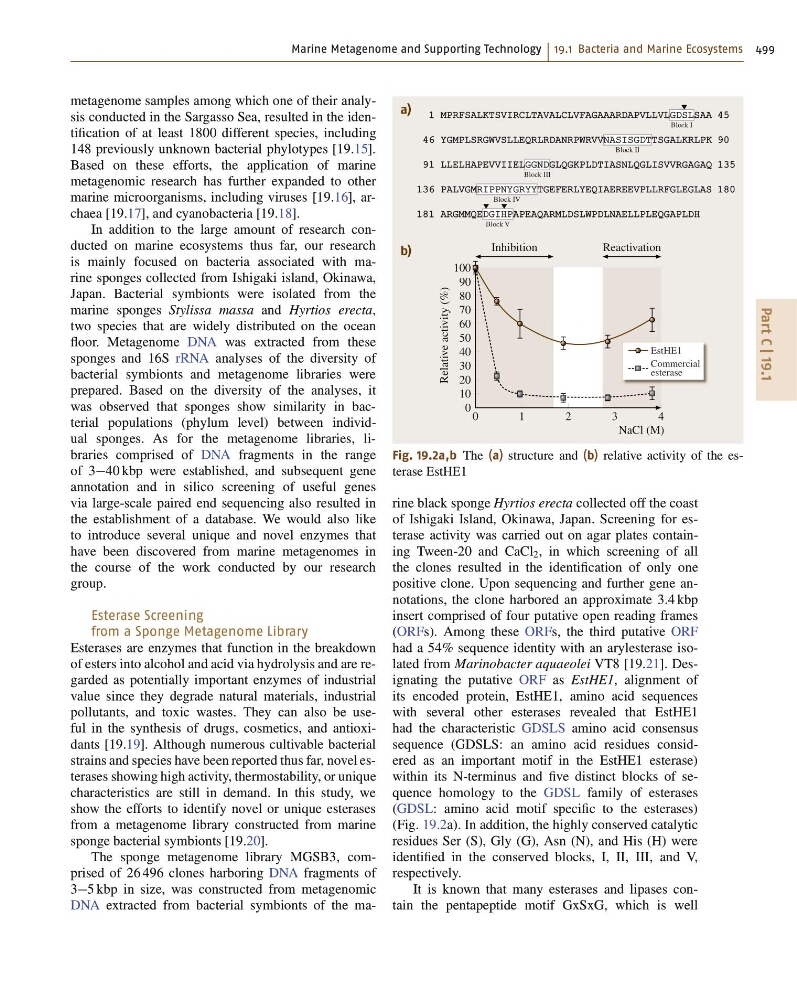
Fig. 19.2a,b The (a) structure and (b) relative activity of the esterase EstHE1
rine black sponge Hyrtios erecta collected off the coast
of Ishigaki Island, Okinawa, Japan. Screening for esterase activity was carried out on agar plates containing Tween-20 and CaCl 2 , in which screening of all
the clones resulted in the identification of only one
positive clone. Upon sequencing and further gene annotations, the clone harbored an approximate 3:4 kbp
insert comprised of four putative open reading frames
(ORFs). Among these ORFs, the third putative ORF
had a 54% sequence identity with an arylesterase isolated from Marinobacter aquaeolei VT8 [19.21]. Designating the putative ORF as EstHE1, alignment of
its encoded protein, EstHE1, amino acid sequences
with several other esterases revealed that EstHE1
had the characteristic GDSLS amino acid consensus
sequence (GDSLS: an amino acid residues considered as an important motif in the EstHE1 esterase)
within its N-terminus and five distinct blocks of sequence homology to the GDSL family of esterases
(GDSL: amino acid motif specific to the esterases)
(Fig. 19.2a). In addition, the highly conserved catalytic
residues Ser (S), Gly (G), Asn (N), and His (H) were
identified in the conserved blocks, I, II, III, and V,
respectively.
It is known that many esterases and lipases contain the pentapeptide motif GxSxG, which is well
Part C | 19.1
metagenome samples among which one of their analysis conducted in the Sargasso Sea, resulted in the identification of at least 1800 different species, including
148 previously unknown bacterial phylotypes [19.15].
Based on these efforts, the application of marine
metagenomic research has further expanded to other
marine microorganisms, including viruses [19.16], archaea [19.17], and cyanobacteria [19.18].
In addition to the large amount of research conducted on marine ecosystems thus far, our research
is mainly focused on bacteria associated with marine sponges collected from Ishigaki island, Okinawa,
Japan. Bacterial symbionts were isolated from the
marine sponges Stylissa massa and Hyrtios erecta,
two species that are widely distributed on the ocean
floor. Metagenome DNA was extracted from these
sponges and 16S rRNA analyses of the diversity of
bacterial symbionts and metagenome libraries were
prepared. Based on the diversity of the analyses, it
was observed that sponges show similarity in bacterial populations (phylum level) between individual sponges. As for the metagenome libraries, libraries comprised of DNA fragments in the range
of 340 kbp were established, and subsequent gene
annotation and in silico screening of useful genes
via large-scale paired end sequencing also resulted in
the establishment of a database. We would also like
to introduce several unique and novel enzymes that
have been discovered from marine metagenomes in
the course of the work conducted by our research
group.
Esterase Screening
from a Sponge Metagenome Library
Esterases are enzymes that function in the breakdown
of esters into alcohol and acid via hydrolysis and are regarded as potentially important enzymes of industrial
value since they degrade natural materials, industrial
pollutants, and toxic wastes. They can also be useful in the synthesis of drugs, cosmetics, and antioxidants [19.19]. Although numerous cultivable bacterial
strains and species have been reported thus far, novel esterases showing high activity, thermostability, or unique
characteristics are still in demand. In this study, we
show the efforts to identify novel or unique esterases
from a metagenome library constructed from marine
sponge bacterial symbionts [19.20].
The sponge metagenome library MGSB3, comprised of 26 496 clones harboring DNA fragments of
35 kbp in size, was constructed from metagenomic
DNA extracted from bacterial symbionts of the maEstHE1
Commercial
esterase
Relative activity (%)
a)
b)
MPRFSALKTSVIRCLTAVALCLVFAGAAARDAPVLLVLGDSLSAA MPRFSALKTSVIRCLTAVALCLVFAGAAARDAPVLLVLGDSLSAA
1
45 45
0
Inhibition
1
2
3
4
NaCl (M)
100
90
80
70
60
50
40
30
20
10
0
Block I
YGMPLSRGWVSLLEQRLRDANRPWRVVNASISGDTTSGALKRLPK YGMPLSRGWVSLLEQRLRDANRPWRVVNASISGDTTSGALKRLPK
46 46
90 90
Block II
LLELHAPEVVIIELGGNDGLQGKPLDTIASNLQGLISVVRGAGAQ LLELHAPEVVIIELGGNDGLQGKPLDTIASNLQGLISVVRGAGAQ
91 91
135 135
Block III
PALVGMRIPPNYGRYYTGEFERLYEQIAEREEVPLLRFGLEGLAS PALVGMRIPPNYGRYYTGEFERLYEQIAEREEVPLLRFGLEGLAS
136 136
180 180
Block IV
ARGMMQEDGIHPAPEAQARMLDSLWPDLNAELLPLEQGAPLDH ARGMMQEDGIHPAPEAQARMLDSLWPDLNAELLPLEQGAPLDH
181 181
Block V
Reactivation
Fig. 19.2a,b The (a) structure and (b) relative activity of the esterase EstHE1
rine black sponge Hyrtios erecta collected off the coast
of Ishigaki Island, Okinawa, Japan. Screening for esterase activity was carried out on agar plates containing Tween-20 and CaCl 2 , in which screening of all
the clones resulted in the identification of only one
positive clone. Upon sequencing and further gene annotations, the clone harbored an approximate 3:4 kbp
insert comprised of four putative open reading frames
(ORFs). Among these ORFs, the third putative ORF
had a 54% sequence identity with an arylesterase isolated from Marinobacter aquaeolei VT8 [19.21]. Designating the putative ORF as EstHE1, alignment of
its encoded protein, EstHE1, amino acid sequences
with several other esterases revealed that EstHE1
had the characteristic GDSLS amino acid consensus
sequence (GDSLS: an amino acid residues considered as an important motif in the EstHE1 esterase)
within its N-terminus and five distinct blocks of sequence homology to the GDSL family of esterases
(GDSL: amino acid motif specific to the esterases)
(Fig. 19.2a). In addition, the highly conserved catalytic
residues Ser (S), Gly (G), Asn (N), and His (H) were
identified in the conserved blocks, I, II, III, and V,
respectively.
It is known that many esterases and lipases contain the pentapeptide motif GxSxG, which is well