

Part B | 13.2
390 Part B Tools and Methods in Marine Biotechnology
Cleavage
domain
DNA binding domain
5'–GAATCCTGG GAATCCTGGCGATCCAAGTTAGAA CGATCCAAGTTAGAAGGTAGTCGAAGGACG GGTAGTCGAAGGACGACTCCAGTCCTAGGT ACTCCAGTCCTAGGTATGCCC ATGCCC
3'–CTTAGGACC CTTAGGACCGCTAGGTTCAATCTT GCTAGGTTCAATCTTCCATCAGCTTCCTGC CCATCAGCTTCCTGCTGAGGTCAGGATCCA TGAGGTCAGGATCCATACGGG TACGGG
NLS
Cleavage
domain
Right ZFP
Left ZFP
N
C
Fokl
Fokl
Fokl
a)
b)
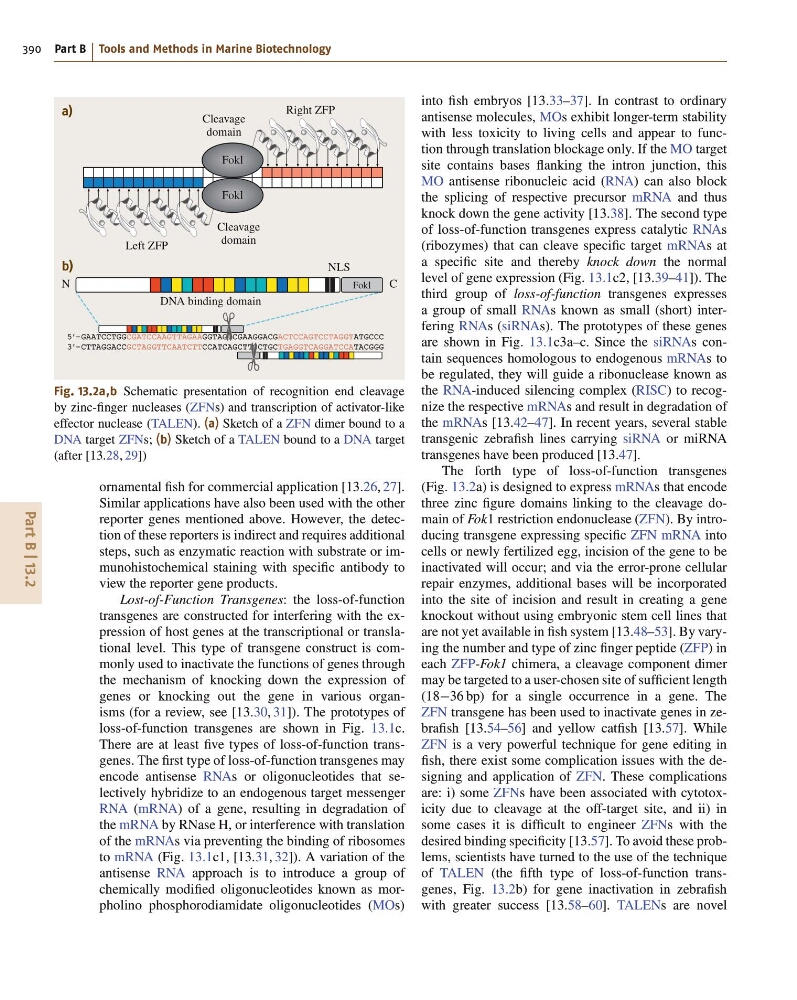
Fig. 13.2a,b Schematic presentation of recognition end cleavage
by zinc-finger nucleases (ZFNs) and transcription of activator-like
effector nuclease (TALEN). (a) Sketch of a ZFN dimer bound to a
DNA target ZFNs; (b) Sketch of a TALEN bound to a DNA target
(after [13.28, 29])
ornamental fish for commercial application [13.26, 27].
Similar applications have also been used with the other
reporter genes mentioned above. However, the detection of these reporters is indirect and requires additional
steps, such as enzymatic reaction with substrate or immunohistochemical staining with specific antibody to
view the reporter gene products.
Lost-of-Function Transgenes: the loss-of-function
transgenes are constructed for interfering with the expression of host genes at the transcriptional or translational level. This type of transgene construct is commonly used to inactivate the functions of genes through
the mechanism of knocking down the expression of
genes or knocking out the gene in various organisms (for a review, see [13.30, 31]). The prototypes of
loss-of-function transgenes are shown in Fig. 13.1c.
There are at least five types of loss-of-function transgenes. The first type of loss-of-function transgenes may
encode antisense RNAs or oligonucleotides that selectively hybridize to an endogenous target messenger
RNA (mRNA) of a gene, resulting in degradation of
the mRNA by RNase H, or interference with translation
of the mRNAs via preventing the binding of ribosomes
to mRNA (Fig. 13.1c1, [13.31, 32]). A variation of the
antisense RNA approach is to introduce a group of
chemically modified oligonucleotides known as morpholino phosphorodiamidate oligonucleotides (MOs)
into fish embryos [13.33–37]. In contrast to ordinary
antisense molecules, MOs exhibit longer-term stability
with less toxicity to living cells and appear to function through translation blockage only. If the MO target
site contains bases flanking the intron junction, this
MO antisense ribonucleic acid (RNA) can also block
the splicing of respective precursor mRNA and thus
knock down the gene activity [13.38]. The second type
of loss-of-function transgenes express catalytic RNAs
(ribozymes) that can cleave specific target mRNAs at
a specific site and thereby knock down the normal
level of gene expression (Fig. 13.1c2, [13.39–41]). The
third group of loss-of-function transgenes expresses
a group of small RNAs known as small (short) interfering RNAs (siRNAs). The prototypes of these genes
are shown in Fig. 13.1c3a–c. Since the siRNAs contain sequences homologous to endogenous mRNAs to
be regulated, they will guide a ribonuclease known as
the RNA-induced silencing complex (RISC) to recognize the respective mRNAs and result in degradation of
the mRNAs [13.42–47]. In recent years, several stable
transgenic zebrafish lines carrying siRNA or miRNA
transgenes have been produced [13.47].
The forth type of loss-of-function transgenes
(Fig. 13.2a) is designed to express mRNAs that encode
three zinc figure domains linking to the cleavage domain of Fok1 restriction endonuclease (ZFN). By introducing transgene expressing specific ZFN mRNA into
cells or newly fertilized egg, incision of the gene to be
inactivated will occur; and via the error-prone cellular
repair enzymes, additional bases will be incorporated
into the site of incision and result in creating a gene
knockout without using embryonic stem cell lines that
are not yet available in fish system [13.48–53]. By varying the number and type of zinc finger peptide (ZFP) in
each ZFP-Fok1 chimera, a cleavage component dimer
may be targeted to a user-chosen site of sufficient length
(1836 bp) for a single occurrence in a gene. The
ZFN transgene has been used to inactivate genes in zebrafish [13.54–56] and yellow catfish [13.57]. While
ZFN is a very powerful technique for gene editing in
fish, there exist some complication issues with the designing and application of ZFN. These complications
are: i) some ZFNs have been associated with cytotoxicity due to cleavage at the off-target site, and ii) in
some cases it is difficult to engineer ZFNs with the
desired binding specificity [13.57]. To avoid these problems, scientists have turned to the use of the technique
of TALEN (the fifth type of loss-of-function transgenes, Fig. 13.2b) for gene inactivation in zebrafish
with greater success [13.58–60]. TALENs are novel
390 Part B Tools and Methods in Marine Biotechnology
Cleavage
domain
DNA binding domain
5'–GAATCCTGG GAATCCTGGCGATCCAAGTTAGAA CGATCCAAGTTAGAAGGTAGTCGAAGGACG GGTAGTCGAAGGACGACTCCAGTCCTAGGT ACTCCAGTCCTAGGTATGCCC ATGCCC
3'–CTTAGGACC CTTAGGACCGCTAGGTTCAATCTT GCTAGGTTCAATCTTCCATCAGCTTCCTGC CCATCAGCTTCCTGCTGAGGTCAGGATCCA TGAGGTCAGGATCCATACGGG TACGGG
NLS
Cleavage
domain
Right ZFP
Left ZFP
N
C
Fokl
Fokl
Fokl
a)
b)
Fig. 13.2a,b Schematic presentation of recognition end cleavage
by zinc-finger nucleases (ZFNs) and transcription of activator-like
effector nuclease (TALEN). (a) Sketch of a ZFN dimer bound to a
DNA target ZFNs; (b) Sketch of a TALEN bound to a DNA target
(after [13.28, 29])
ornamental fish for commercial application [13.26, 27].
Similar applications have also been used with the other
reporter genes mentioned above. However, the detection of these reporters is indirect and requires additional
steps, such as enzymatic reaction with substrate or immunohistochemical staining with specific antibody to
view the reporter gene products.
Lost-of-Function Transgenes: the loss-of-function
transgenes are constructed for interfering with the expression of host genes at the transcriptional or translational level. This type of transgene construct is commonly used to inactivate the functions of genes through
the mechanism of knocking down the expression of
genes or knocking out the gene in various organisms (for a review, see [13.30, 31]). The prototypes of
loss-of-function transgenes are shown in Fig. 13.1c.
There are at least five types of loss-of-function transgenes. The first type of loss-of-function transgenes may
encode antisense RNAs or oligonucleotides that selectively hybridize to an endogenous target messenger
RNA (mRNA) of a gene, resulting in degradation of
the mRNA by RNase H, or interference with translation
of the mRNAs via preventing the binding of ribosomes
to mRNA (Fig. 13.1c1, [13.31, 32]). A variation of the
antisense RNA approach is to introduce a group of
chemically modified oligonucleotides known as morpholino phosphorodiamidate oligonucleotides (MOs)
into fish embryos [13.33–37]. In contrast to ordinary
antisense molecules, MOs exhibit longer-term stability
with less toxicity to living cells and appear to function through translation blockage only. If the MO target
site contains bases flanking the intron junction, this
MO antisense ribonucleic acid (RNA) can also block
the splicing of respective precursor mRNA and thus
knock down the gene activity [13.38]. The second type
of loss-of-function transgenes express catalytic RNAs
(ribozymes) that can cleave specific target mRNAs at
a specific site and thereby knock down the normal
level of gene expression (Fig. 13.1c2, [13.39–41]). The
third group of loss-of-function transgenes expresses
a group of small RNAs known as small (short) interfering RNAs (siRNAs). The prototypes of these genes
are shown in Fig. 13.1c3a–c. Since the siRNAs contain sequences homologous to endogenous mRNAs to
be regulated, they will guide a ribonuclease known as
the RNA-induced silencing complex (RISC) to recognize the respective mRNAs and result in degradation of
the mRNAs [13.42–47]. In recent years, several stable
transgenic zebrafish lines carrying siRNA or miRNA
transgenes have been produced [13.47].
The forth type of loss-of-function transgenes
(Fig. 13.2a) is designed to express mRNAs that encode
three zinc figure domains linking to the cleavage domain of Fok1 restriction endonuclease (ZFN). By introducing transgene expressing specific ZFN mRNA into
cells or newly fertilized egg, incision of the gene to be
inactivated will occur; and via the error-prone cellular
repair enzymes, additional bases will be incorporated
into the site of incision and result in creating a gene
knockout without using embryonic stem cell lines that
are not yet available in fish system [13.48–53]. By varying the number and type of zinc finger peptide (ZFP) in
each ZFP-Fok1 chimera, a cleavage component dimer
may be targeted to a user-chosen site of sufficient length
(1836 bp) for a single occurrence in a gene. The
ZFN transgene has been used to inactivate genes in zebrafish [13.54–56] and yellow catfish [13.57]. While
ZFN is a very powerful technique for gene editing in
fish, there exist some complication issues with the designing and application of ZFN. These complications
are: i) some ZFNs have been associated with cytotoxicity due to cleavage at the off-target site, and ii) in
some cases it is difficult to engineer ZFNs with the
desired binding specificity [13.57]. To avoid these problems, scientists have turned to the use of the technique
of TALEN (the fifth type of loss-of-function transgenes, Fig. 13.2b) for gene inactivation in zebrafish
with greater success [13.58–60]. TALENs are novel