

Part B | 12
382 Part B Tools and Methods in Marine Biotechnology
7
12
22
6
10
16
11
18
17
20
19
21
3
2
1
9
8
4
15
14
13
5
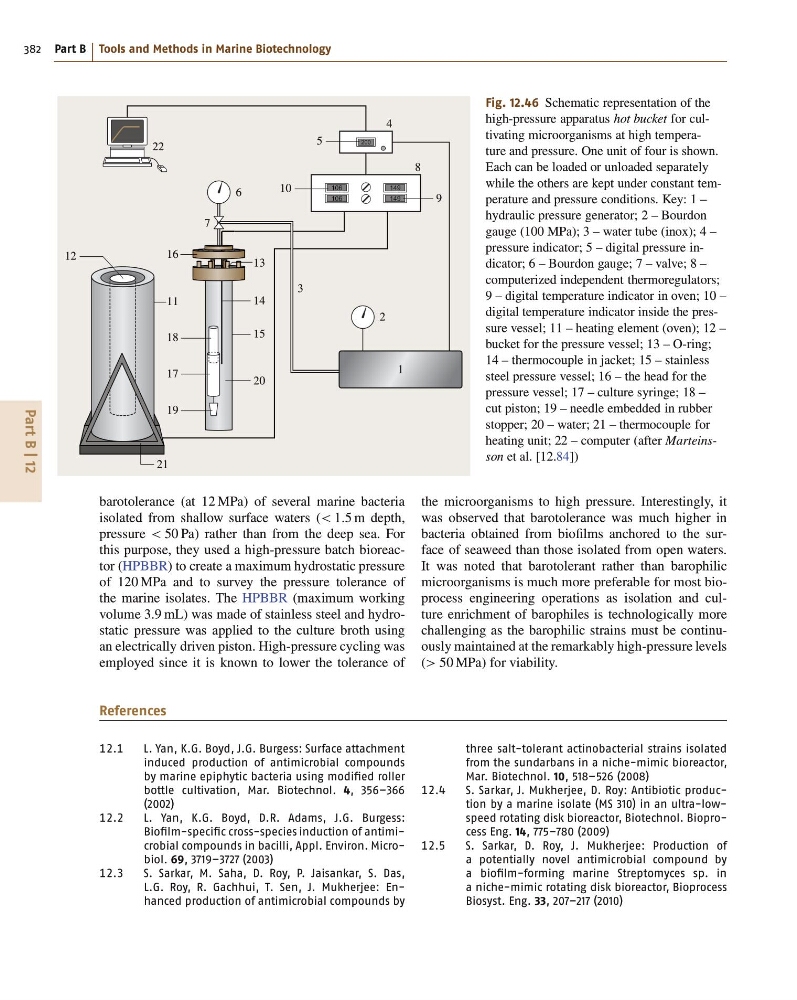
Fig. 12.46 Schematic representation of the
high-pressure apparatus hot bucket for cultivating microorganisms at high temperature and pressure. One unit of four is shown.
Each can be loaded or unloaded separately
while the others are kept under constant temperature and pressure conditions. Key: 1 –
hydraulic pressure generator; 2 – Bourdon
gauge (100 MPa); 3 – water tube (inox); 4 –
pressure indicator; 5 – digital pressure indicator; 6 – Bourdon gauge; 7 – valve; 8 –
computerized independent thermoregulators;
9 – digital temperature indicator in oven; 10 –
digital temperature indicator inside the pressure vessel; 11 – heating element (oven); 12 –
bucket for the pressure vessel; 13 – O-ring;
14 – thermocouple in jacket; 15 – stainless
steel pressure vessel; 16 – the head for the
pressure vessel; 17 – culture syringe; 18 –
cut piston; 19 – needle embedded in rubber
stopper; 20 – water; 21 – thermocouple for
heating unit; 22 – computer (after Marteinsson et al. [12.84])
barotolerance (at 12 MPa) of several marine bacteria
isolated from shallow surface waters (< 1:5 m depth,
pressure < 50 Pa) rather than from the deep sea. For
this purpose, they used a high-pressure batch bioreactor (HPBBR) to create a maximum hydrostatic pressure
of 120 MPa and to survey the pressure tolerance of
the marine isolates. The HPBBR (maximum working
volume 3:9 mL) was made of stainless steel and hydrostatic pressure was applied to the culture broth using
an electrically driven piston. High-pressure cycling was
employed since it is known to lower the tolerance of
the microorganisms to high pressure. Interestingly, it
was observed that barotolerance was much higher in
bacteria obtained from biofilms anchored to the surface of seaweed than those isolated from open waters.
It was noted that barotolerant rather than barophilic
microorganisms is much more preferable for most bioprocess engineering operations as isolation and culture enrichment of barophiles is technologically more
challenging as the barophilic strains must be continuously maintained at the remarkably high-pressure levels
(> 50 MPa) for viability.
References
12.1
L. Yan, K.G. Boyd, J.G. Burgess: Surface attachment
induced production of antimicrobial compounds
by marine epiphytic bacteria using modified roller
bottle cultivation, Mar. Biotechnol. 4, 356–366
(2002)
12.2
L. Yan, K.G. Boyd, D.R. Adams, J.G. Burgess:
Biofilm-specific cross-species induction of antimicrobial compounds in bacilli, Appl. Environ. Microbiol. 69, 3719–3727 (2003)
12.3
S. Sarkar, M. Saha, D. Roy, P. Jaisankar, S. Das,
L.G. Roy, R. Gachhui, T. Sen, J. Mukherjee: Enhanced production of antimicrobial compounds by
three salt-tolerant actinobacterial strains isolated
from the sundarbans in a niche-mimic bioreactor,
Mar. Biotechnol. 10, 518–526 (2008)
12.4
S. Sarkar, J. Mukherjee, D. Roy: Antibiotic production by a marine isolate (MS 310) in an ultra-lowspeed rotating disk bioreactor, Biotechnol. Bioprocess Eng. 14, 775–780 (2009)
12.5
S. Sarkar, D. Roy, J. Mukherjee: Production of
a potentially novel antimicrobial compound by
a biofilm-forming marine Streptomyces sp. in
a niche-mimic rotating disk bioreactor, Bioprocess
Biosyst. Eng. 33, 207–217 (2010)
382 Part B Tools and Methods in Marine Biotechnology
7
12
22
6
10
16
11
18
17
20
19
21
3
2
1
9
8
4
15
14
13
5
Fig. 12.46 Schematic representation of the
high-pressure apparatus hot bucket for cultivating microorganisms at high temperature and pressure. One unit of four is shown.
Each can be loaded or unloaded separately
while the others are kept under constant temperature and pressure conditions. Key: 1 –
hydraulic pressure generator; 2 – Bourdon
gauge (100 MPa); 3 – water tube (inox); 4 –
pressure indicator; 5 – digital pressure indicator; 6 – Bourdon gauge; 7 – valve; 8 –
computerized independent thermoregulators;
9 – digital temperature indicator in oven; 10 –
digital temperature indicator inside the pressure vessel; 11 – heating element (oven); 12 –
bucket for the pressure vessel; 13 – O-ring;
14 – thermocouple in jacket; 15 – stainless
steel pressure vessel; 16 – the head for the
pressure vessel; 17 – culture syringe; 18 –
cut piston; 19 – needle embedded in rubber
stopper; 20 – water; 21 – thermocouple for
heating unit; 22 – computer (after Marteinsson et al. [12.84])
barotolerance (at 12 MPa) of several marine bacteria
isolated from shallow surface waters (< 1:5 m depth,
pressure < 50 Pa) rather than from the deep sea. For
this purpose, they used a high-pressure batch bioreactor (HPBBR) to create a maximum hydrostatic pressure
of 120 MPa and to survey the pressure tolerance of
the marine isolates. The HPBBR (maximum working
volume 3:9 mL) was made of stainless steel and hydrostatic pressure was applied to the culture broth using
an electrically driven piston. High-pressure cycling was
employed since it is known to lower the tolerance of
the microorganisms to high pressure. Interestingly, it
was observed that barotolerance was much higher in
bacteria obtained from biofilms anchored to the surface of seaweed than those isolated from open waters.
It was noted that barotolerant rather than barophilic
microorganisms is much more preferable for most bioprocess engineering operations as isolation and culture enrichment of barophiles is technologically more
challenging as the barophilic strains must be continuously maintained at the remarkably high-pressure levels
(> 50 MPa) for viability.
References
12.1
L. Yan, K.G. Boyd, J.G. Burgess: Surface attachment
induced production of antimicrobial compounds
by marine epiphytic bacteria using modified roller
bottle cultivation, Mar. Biotechnol. 4, 356–366
(2002)
12.2
L. Yan, K.G. Boyd, D.R. Adams, J.G. Burgess:
Biofilm-specific cross-species induction of antimicrobial compounds in bacilli, Appl. Environ. Microbiol. 69, 3719–3727 (2003)
12.3
S. Sarkar, M. Saha, D. Roy, P. Jaisankar, S. Das,
L.G. Roy, R. Gachhui, T. Sen, J. Mukherjee: Enhanced production of antimicrobial compounds by
three salt-tolerant actinobacterial strains isolated
from the sundarbans in a niche-mimic bioreactor,
Mar. Biotechnol. 10, 518–526 (2008)
12.4
S. Sarkar, J. Mukherjee, D. Roy: Antibiotic production by a marine isolate (MS 310) in an ultra-lowspeed rotating disk bioreactor, Biotechnol. Bioprocess Eng. 14, 775–780 (2009)
12.5
S. Sarkar, D. Roy, J. Mukherjee: Production of
a potentially novel antimicrobial compound by
a biofilm-forming marine Streptomyces sp. in
a niche-mimic rotating disk bioreactor, Bioprocess
Biosyst. Eng. 33, 207–217 (2010)