

Part B | 12.1
330 Part B Tools and Methods in Marine Biotechnology
Air out
12
10
8
6
11
9
7
Air in
3
2
1
4
5
13
14
15
5
16
17
18
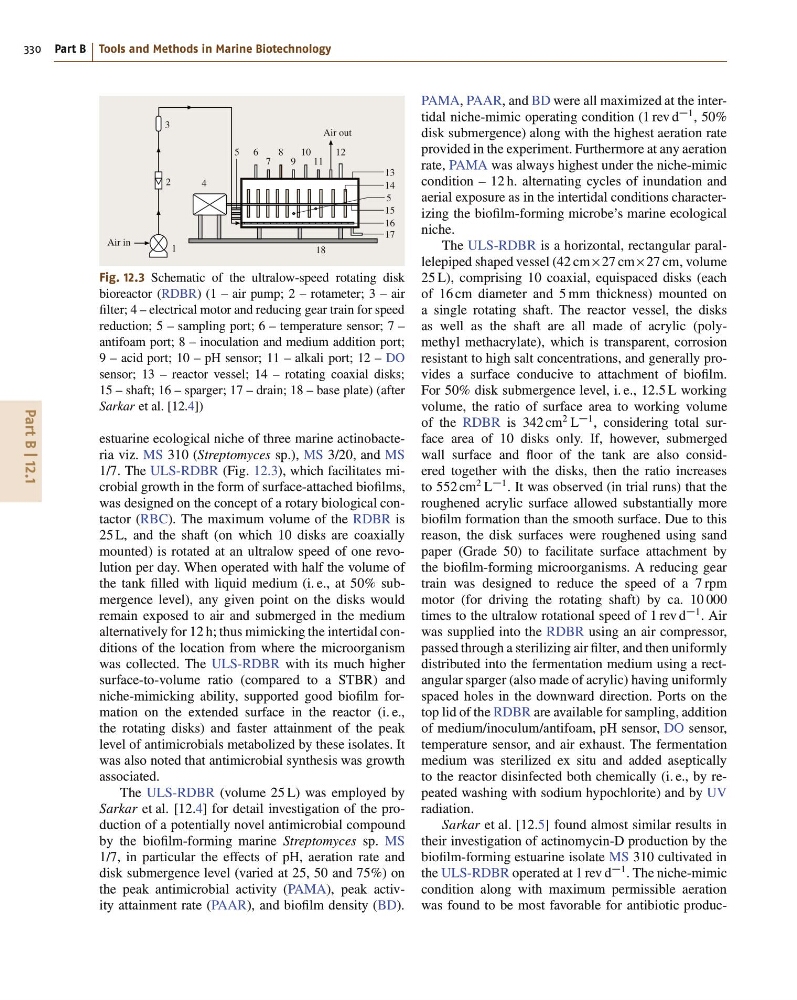
Fig. 12.3 Schematic of the ultralow-speed rotating disk
bioreactor (RDBR) (1 – air pump; 2 – rotameter; 3 – air
filter; 4 – electrical motor and reducing gear train for speed
reduction; 5 – sampling port; 6 – temperature sensor; 7 –
antifoam port; 8 – inoculation and medium addition port;
9 – acid port; 10 – pH sensor; 11 – alkali port; 12 – DO
sensor; 13 – reactor vessel; 14 – rotating coaxial disks;
15 – shaft; 16 – sparger; 17 – drain; 18 – base plate) (after
Sarkar et al. [12.4])
estuarine ecological niche of three marine actinobacteria viz. MS 310 (Streptomyces sp.), MS 3/20, and MS
1/7. The ULS-RDBR (Fig. 12.3), which facilitates microbial growth in the form of surface-attached biofilms,
was designed on the concept of a rotary biological contactor (RBC). The maximum volume of the RDBR is
25 L, and the shaft (on which 10 disks are coaxially
mounted) is rotated at an ultralow speed of one revolution per day. When operated with half the volume of
the tank filled with liquid medium (i. e., at 50% submergence level), any given point on the disks would
remain exposed to air and submerged in the medium
alternatively for 12 h; thus mimicking the intertidal conditions of the location from where the microorganism
was collected. The ULS-RDBR with its much higher
surface-to-volume ratio (compared to a STBR) and
niche-mimicking ability, supported good biofilm formation on the extended surface in the reactor (i. e.,
the rotating disks) and faster attainment of the peak
level of antimicrobials metabolized by these isolates. It
was also noted that antimicrobial synthesis was growth
associated.
The ULS-RDBR (volume 25 L) was employed by
Sarkar et al. [12.4] for detail investigation of the production of a potentially novel antimicrobial compound
by the biofilm-forming marine Streptomyces sp. MS
1/7, in particular the effects of pH, aeration rate and
disk submergence level (varied at 25, 50 and 75%) on
the peak antimicrobial activity (PAMA), peak activity attainment rate (PAAR), and biofilm density (BD).
PAMA, PAAR, and BD were all maximized at the intertidal niche-mimic operating condition (1 rev d
1 , 50%
disk submergence) along with the highest aeration rate
provided in the experiment. Furthermore at any aeration
rate, PAMA was always highest under the niche-mimic
condition – 12 h. alternating cycles of inundation and
aerial exposure as in the intertidal conditions characterizing the biofilm-forming microbe’s marine ecological
niche.
The ULS-RDBR is a horizontal, rectangular parallelepiped shaped vessel (42 cm27 cm27 cm, volume
25 L), comprising 10 coaxial, equispaced disks (each
of 16 cm diameter and 5 mm thickness) mounted on
a single rotating shaft. The reactor vessel, the disks
as well as the shaft are all made of acrylic (polymethyl methacrylate), which is transparent, corrosion
resistant to high salt concentrations, and generally provides a surface conducive to attachment of biofilm.
For 50% disk submergence level, i. e., 12:5 L working
volume, the ratio of surface area to working volume
of the RDBR is 342 cm
2 L
1 , considering total surface area of 10 disks only. If, however, submerged
wall surface and floor of the tank are also considered together with the disks, then the ratio increases
to 552 cm
2 L
1 . It was observed (in trial runs) that the
roughened acrylic surface allowed substantially more
biofilm formation than the smooth surface. Due to this
reason, the disk surfaces were roughened using sand
paper (Grade 50) to facilitate surface attachment by
the biofilm-forming microorganisms. A reducing gear
train was designed to reduce the speed of a 7 rpm
motor (for driving the rotating shaft) by ca. 10 000
times to the ultralow rotational speed of 1 rev d
1 . Air
was supplied into the RDBR using an air compressor,
passed through a sterilizing air filter, and then uniformly
distributed into the fermentation medium using a rectangular sparger (also made of acrylic) having uniformly
spaced holes in the downward direction. Ports on the
top lid of the RDBR are available for sampling, addition
of medium/inoculum/antifoam, pH sensor, DO sensor,
temperature sensor, and air exhaust. The fermentation
medium was sterilized ex situ and added aseptically
to the reactor disinfected both chemically (i. e., by repeated washing with sodium hypochlorite) and by UV
radiation.
Sarkar et al. [12.5] found almost similar results in
their investigation of actinomycin-D production by the
biofilm-forming estuarine isolate MS 310 cultivated in
the ULS-RDBR operated at 1 rev d
1 . The niche-mimic
condition along with maximum permissible aeration
was found to be most favorable for antibiotic produc-
330 Part B Tools and Methods in Marine Biotechnology
Air out
12
10
8
6
11
9
7
Air in
3
2
1
4
5
13
14
15
5
16
17
18
Fig. 12.3 Schematic of the ultralow-speed rotating disk
bioreactor (RDBR) (1 – air pump; 2 – rotameter; 3 – air
filter; 4 – electrical motor and reducing gear train for speed
reduction; 5 – sampling port; 6 – temperature sensor; 7 –
antifoam port; 8 – inoculation and medium addition port;
9 – acid port; 10 – pH sensor; 11 – alkali port; 12 – DO
sensor; 13 – reactor vessel; 14 – rotating coaxial disks;
15 – shaft; 16 – sparger; 17 – drain; 18 – base plate) (after
Sarkar et al. [12.4])
estuarine ecological niche of three marine actinobacteria viz. MS 310 (Streptomyces sp.), MS 3/20, and MS
1/7. The ULS-RDBR (Fig. 12.3), which facilitates microbial growth in the form of surface-attached biofilms,
was designed on the concept of a rotary biological contactor (RBC). The maximum volume of the RDBR is
25 L, and the shaft (on which 10 disks are coaxially
mounted) is rotated at an ultralow speed of one revolution per day. When operated with half the volume of
the tank filled with liquid medium (i. e., at 50% submergence level), any given point on the disks would
remain exposed to air and submerged in the medium
alternatively for 12 h; thus mimicking the intertidal conditions of the location from where the microorganism
was collected. The ULS-RDBR with its much higher
surface-to-volume ratio (compared to a STBR) and
niche-mimicking ability, supported good biofilm formation on the extended surface in the reactor (i. e.,
the rotating disks) and faster attainment of the peak
level of antimicrobials metabolized by these isolates. It
was also noted that antimicrobial synthesis was growth
associated.
The ULS-RDBR (volume 25 L) was employed by
Sarkar et al. [12.4] for detail investigation of the production of a potentially novel antimicrobial compound
by the biofilm-forming marine Streptomyces sp. MS
1/7, in particular the effects of pH, aeration rate and
disk submergence level (varied at 25, 50 and 75%) on
the peak antimicrobial activity (PAMA), peak activity attainment rate (PAAR), and biofilm density (BD).
PAMA, PAAR, and BD were all maximized at the intertidal niche-mimic operating condition (1 rev d
1 , 50%
disk submergence) along with the highest aeration rate
provided in the experiment. Furthermore at any aeration
rate, PAMA was always highest under the niche-mimic
condition – 12 h. alternating cycles of inundation and
aerial exposure as in the intertidal conditions characterizing the biofilm-forming microbe’s marine ecological
niche.
The ULS-RDBR is a horizontal, rectangular parallelepiped shaped vessel (42 cm27 cm27 cm, volume
25 L), comprising 10 coaxial, equispaced disks (each
of 16 cm diameter and 5 mm thickness) mounted on
a single rotating shaft. The reactor vessel, the disks
as well as the shaft are all made of acrylic (polymethyl methacrylate), which is transparent, corrosion
resistant to high salt concentrations, and generally provides a surface conducive to attachment of biofilm.
For 50% disk submergence level, i. e., 12:5 L working
volume, the ratio of surface area to working volume
of the RDBR is 342 cm
2 L
1 , considering total surface area of 10 disks only. If, however, submerged
wall surface and floor of the tank are also considered together with the disks, then the ratio increases
to 552 cm
2 L
1 . It was observed (in trial runs) that the
roughened acrylic surface allowed substantially more
biofilm formation than the smooth surface. Due to this
reason, the disk surfaces were roughened using sand
paper (Grade 50) to facilitate surface attachment by
the biofilm-forming microorganisms. A reducing gear
train was designed to reduce the speed of a 7 rpm
motor (for driving the rotating shaft) by ca. 10 000
times to the ultralow rotational speed of 1 rev d
1 . Air
was supplied into the RDBR using an air compressor,
passed through a sterilizing air filter, and then uniformly
distributed into the fermentation medium using a rectangular sparger (also made of acrylic) having uniformly
spaced holes in the downward direction. Ports on the
top lid of the RDBR are available for sampling, addition
of medium/inoculum/antifoam, pH sensor, DO sensor,
temperature sensor, and air exhaust. The fermentation
medium was sterilized ex situ and added aseptically
to the reactor disinfected both chemically (i. e., by repeated washing with sodium hypochlorite) and by UV
radiation.
Sarkar et al. [12.5] found almost similar results in
their investigation of actinomycin-D production by the
biofilm-forming estuarine isolate MS 310 cultivated in
the ULS-RDBR operated at 1 rev d
1 . The niche-mimic
condition along with maximum permissible aeration
was found to be most favorable for antibiotic produc-