

Part B | 10.2
296 Part B Tools and Methods in Marine Biotechnology
Microbial community
Genome
DNA
Cloning
Cloning
2-D gel
2-D gel
Biomass
Pure cultures
Metagenomics
Genomics
Concentration
Isolation
DNA
Transcriptome
+ Cloning
+ Cloning
Reverse
transcription
Reverse
transcription
mRNA
mRNA
Proteome
Proteins
Proteins
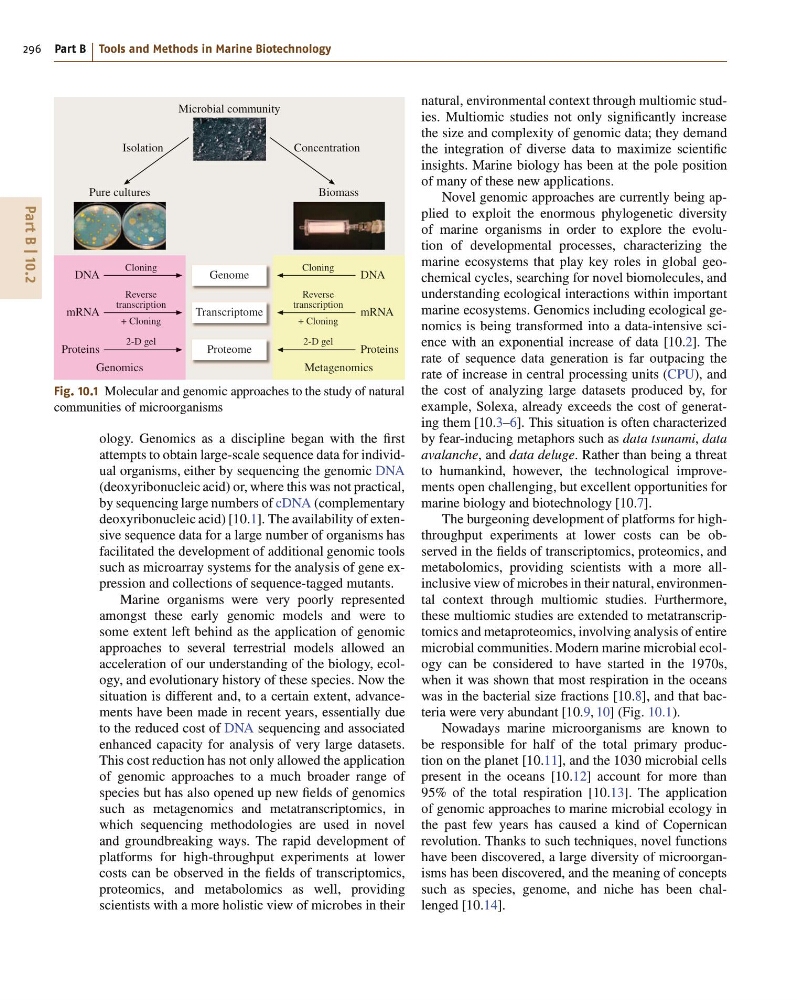
Fig. 10.1 Molecular and genomic approaches to the study of natural
communities of microorganisms
ology. Genomics as a discipline began with the first
attempts to obtain large-scale sequence data for individual organisms, either by sequencing the genomic DNA
(deoxyribonucleic acid) or, where this was not practical,
by sequencing large numbers of cDNA (complementary
deoxyribonucleic acid) [10.1]. The availability of extensive sequence data for a large number of organisms has
facilitated the development of additional genomic tools
such as microarray systems for the analysis of gene expression and collections of sequence-tagged mutants.
Marine organisms were very poorly represented
amongst these early genomic models and were to
some extent left behind as the application of genomic
approaches to several terrestrial models allowed an
acceleration of our understanding of the biology, ecology, and evolutionary history of these species. Now the
situation is different and, to a certain extent, advancements have been made in recent years, essentially due
to the reduced cost of DNA sequencing and associated
enhanced capacity for analysis of very large datasets.
This cost reduction has not only allowed the application
of genomic approaches to a much broader range of
species but has also opened up new fields of genomics
such as metagenomics and metatranscriptomics, in
which sequencing methodologies are used in novel
and groundbreaking ways. The rapid development of
platforms for high-throughput experiments at lower
costs can be observed in the fields of transcriptomics,
proteomics, and metabolomics as well, providing
scientists with a more holistic view of microbes in their
natural, environmental context through multiomic studies. Multiomic studies not only significantly increase
the size and complexity of genomic data; they demand
the integration of diverse data to maximize scientific
insights. Marine biology has been at the pole position
of many of these new applications.
Novel genomic approaches are currently being applied to exploit the enormous phylogenetic diversity
of marine organisms in order to explore the evolution of developmental processes, characterizing the
marine ecosystems that play key roles in global geochemical cycles, searching for novel biomolecules, and
understanding ecological interactions within important
marine ecosystems. Genomics including ecological genomics is being transformed into a data-intensive science with an exponential increase of data [10.2]. The
rate of sequence data generation is far outpacing the
rate of increase in central processing units (CPU), and
the cost of analyzing large datasets produced by, for
example, Solexa, already exceeds the cost of generating them [10.3–6]. This situation is often characterized
by fear-inducing metaphors such as data tsunami, data
avalanche, and data deluge. Rather than being a threat
to humankind, however, the technological improvements open challenging, but excellent opportunities for
marine biology and biotechnology [10.7].
The burgeoning development of platforms for highthroughput experiments at lower costs can be observed in the fields of transcriptomics, proteomics, and
metabolomics, providing scientists with a more allinclusive view of microbes in their natural, environmental context through multiomic studies. Furthermore,
these multiomic studies are extended to metatranscriptomics and metaproteomics, involving analysis of entire
microbial communities. Modern marine microbial ecology can be considered to have started in the 1970s,
when it was shown that most respiration in the oceans
was in the bacterial size fractions [10.8], and that bacteria were very abundant [10.9, 10] (Fig. 10.1).
Nowadays marine microorganisms are known to
be responsible for half of the total primary production on the planet [10.11], and the 1030 microbial cells
present in the oceans [10.12] account for more than
95% of the total respiration [10.13]. The application
of genomic approaches to marine microbial ecology in
the past few years has caused a kind of Copernican
revolution. Thanks to such techniques, novel functions
have been discovered, a large diversity of microorganisms has been discovered, and the meaning of concepts
such as species, genome, and niche has been challenged [10.14].
296 Part B Tools and Methods in Marine Biotechnology
Microbial community
Genome
DNA
Cloning
Cloning
2-D gel
2-D gel
Biomass
Pure cultures
Metagenomics
Genomics
Concentration
Isolation
DNA
Transcriptome
+ Cloning
+ Cloning
Reverse
transcription
Reverse
transcription
mRNA
mRNA
Proteome
Proteins
Proteins
Fig. 10.1 Molecular and genomic approaches to the study of natural
communities of microorganisms
ology. Genomics as a discipline began with the first
attempts to obtain large-scale sequence data for individual organisms, either by sequencing the genomic DNA
(deoxyribonucleic acid) or, where this was not practical,
by sequencing large numbers of cDNA (complementary
deoxyribonucleic acid) [10.1]. The availability of extensive sequence data for a large number of organisms has
facilitated the development of additional genomic tools
such as microarray systems for the analysis of gene expression and collections of sequence-tagged mutants.
Marine organisms were very poorly represented
amongst these early genomic models and were to
some extent left behind as the application of genomic
approaches to several terrestrial models allowed an
acceleration of our understanding of the biology, ecology, and evolutionary history of these species. Now the
situation is different and, to a certain extent, advancements have been made in recent years, essentially due
to the reduced cost of DNA sequencing and associated
enhanced capacity for analysis of very large datasets.
This cost reduction has not only allowed the application
of genomic approaches to a much broader range of
species but has also opened up new fields of genomics
such as metagenomics and metatranscriptomics, in
which sequencing methodologies are used in novel
and groundbreaking ways. The rapid development of
platforms for high-throughput experiments at lower
costs can be observed in the fields of transcriptomics,
proteomics, and metabolomics as well, providing
scientists with a more holistic view of microbes in their
natural, environmental context through multiomic studies. Multiomic studies not only significantly increase
the size and complexity of genomic data; they demand
the integration of diverse data to maximize scientific
insights. Marine biology has been at the pole position
of many of these new applications.
Novel genomic approaches are currently being applied to exploit the enormous phylogenetic diversity
of marine organisms in order to explore the evolution of developmental processes, characterizing the
marine ecosystems that play key roles in global geochemical cycles, searching for novel biomolecules, and
understanding ecological interactions within important
marine ecosystems. Genomics including ecological genomics is being transformed into a data-intensive science with an exponential increase of data [10.2]. The
rate of sequence data generation is far outpacing the
rate of increase in central processing units (CPU), and
the cost of analyzing large datasets produced by, for
example, Solexa, already exceeds the cost of generating them [10.3–6]. This situation is often characterized
by fear-inducing metaphors such as data tsunami, data
avalanche, and data deluge. Rather than being a threat
to humankind, however, the technological improvements open challenging, but excellent opportunities for
marine biology and biotechnology [10.7].
The burgeoning development of platforms for highthroughput experiments at lower costs can be observed in the fields of transcriptomics, proteomics, and
metabolomics, providing scientists with a more allinclusive view of microbes in their natural, environmental context through multiomic studies. Furthermore,
these multiomic studies are extended to metatranscriptomics and metaproteomics, involving analysis of entire
microbial communities. Modern marine microbial ecology can be considered to have started in the 1970s,
when it was shown that most respiration in the oceans
was in the bacterial size fractions [10.8], and that bacteria were very abundant [10.9, 10] (Fig. 10.1).
Nowadays marine microorganisms are known to
be responsible for half of the total primary production on the planet [10.11], and the 1030 microbial cells
present in the oceans [10.12] account for more than
95% of the total respiration [10.13]. The application
of genomic approaches to marine microbial ecology in
the past few years has caused a kind of Copernican
revolution. Thanks to such techniques, novel functions
have been discovered, a large diversity of microorganisms has been discovered, and the meaning of concepts
such as species, genome, and niche has been challenged [10.14].