

Part A | 6.3
92 Part A Marine Flora and Fauna
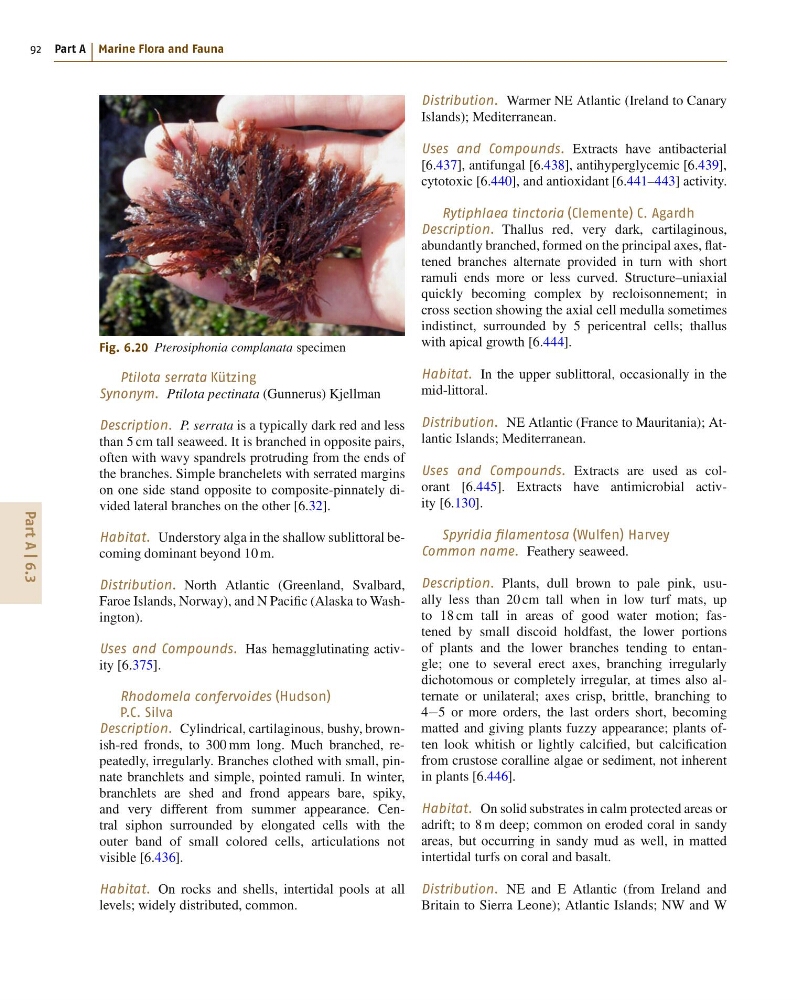
Fig. 6.20 Pterosiphonia complanata specimen
Ptilota serrata Kützing
Synonym. Ptilota pectinata (Gunnerus) Kjellman
Description. P. serrata is a typically dark red and less
than 5 cm tall seaweed. It is branched in opposite pairs,
often with wavy spandrels protruding from the ends of
the branches. Simple branchelets with serrated margins
on one side stand opposite to composite-pinnately divided lateral branches on the other [6.32].
Habitat. Understory alga in the shallow sublittoral becoming dominant beyond 10 m.
Distribution. North Atlantic (Greenland, Svalbard,
Faroe Islands, Norway), and N Pacific (Alaska to Washington).
Uses and Compounds. Has hemagglutinating activity [6.375].
Rhodomela confervoides (Hudson)
P.C. Silva
Description. Cylindrical, cartilaginous, bushy, brownish-red fronds, to 300 mm long. Much branched, repeatedly, irregularly. Branches clothed with small, pinnate branchlets and simple, pointed ramuli. In winter,
branchlets are shed and frond appears bare, spiky,
and very different from summer appearance. Central siphon surrounded by elongated cells with the
outer band of small colored cells, articulations not
visible [6.436].
Habitat. On rocks and shells, intertidal pools at all
levels; widely distributed, common.
Distribution. Warmer NE Atlantic (Ireland to Canary
Islands); Mediterranean.
Uses and Compounds. Extracts have antibacterial
[6.437], antifungal [6.438], antihyperglycemic [6.439],
cytotoxic [6.440], and antioxidant [6.441–443] activity.
Rytiphlaea tinctoria (Clemente) C. Agardh
Description. Thallus red, very dark, cartilaginous,
abundantly branched, formed on the principal axes, flattened branches alternate provided in turn with short
ramuli ends more or less curved. Structure–uniaxial
quickly becoming complex by recloisonnement; in
cross section showing the axial cell medulla sometimes
indistinct, surrounded by 5 pericentral cells; thallus
with apical growth [6.444].
Habitat. In the upper sublittoral, occasionally in the
mid-littoral.
Distribution. NE Atlantic (France to Mauritania); Atlantic Islands; Mediterranean.
Uses and Compounds. Extracts are used as colorant [6.445]. Extracts have antimicrobial activity [6.130].
Spyridia filamentosa (Wulfen) Harvey
Common name. Feathery seaweed.
Description. Plants, dull brown to pale pink, usually less than 20 cm tall when in low turf mats, up
to 18 cm tall in areas of good water motion; fastened by small discoid holdfast, the lower portions
of plants and the lower branches tending to entangle; one to several erect axes, branching irregularly
dichotomous or completely irregular, at times also alternate or unilateral; axes crisp, brittle, branching to
45 or more orders, the last orders short, becoming
matted and giving plants fuzzy appearance; plants often look whitish or lightly calcified, but calcification
from crustose coralline algae or sediment, not inherent
in plants [6.446].
Habitat. On solid substrates in calm protected areas or
adrift; to 8 m deep; common on eroded coral in sandy
areas, but occurring in sandy mud as well, in matted
intertidal turfs on coral and basalt.
Distribution. NE and E Atlantic (from Ireland and
Britain to Sierra Leone); Atlantic Islands; NW and W
92 Part A Marine Flora and Fauna
Fig. 6.20 Pterosiphonia complanata specimen
Ptilota serrata Kützing
Synonym. Ptilota pectinata (Gunnerus) Kjellman
Description. P. serrata is a typically dark red and less
than 5 cm tall seaweed. It is branched in opposite pairs,
often with wavy spandrels protruding from the ends of
the branches. Simple branchelets with serrated margins
on one side stand opposite to composite-pinnately divided lateral branches on the other [6.32].
Habitat. Understory alga in the shallow sublittoral becoming dominant beyond 10 m.
Distribution. North Atlantic (Greenland, Svalbard,
Faroe Islands, Norway), and N Pacific (Alaska to Washington).
Uses and Compounds. Has hemagglutinating activity [6.375].
Rhodomela confervoides (Hudson)
P.C. Silva
Description. Cylindrical, cartilaginous, bushy, brownish-red fronds, to 300 mm long. Much branched, repeatedly, irregularly. Branches clothed with small, pinnate branchlets and simple, pointed ramuli. In winter,
branchlets are shed and frond appears bare, spiky,
and very different from summer appearance. Central siphon surrounded by elongated cells with the
outer band of small colored cells, articulations not
visible [6.436].
Habitat. On rocks and shells, intertidal pools at all
levels; widely distributed, common.
Distribution. Warmer NE Atlantic (Ireland to Canary
Islands); Mediterranean.
Uses and Compounds. Extracts have antibacterial
[6.437], antifungal [6.438], antihyperglycemic [6.439],
cytotoxic [6.440], and antioxidant [6.441–443] activity.
Rytiphlaea tinctoria (Clemente) C. Agardh
Description. Thallus red, very dark, cartilaginous,
abundantly branched, formed on the principal axes, flattened branches alternate provided in turn with short
ramuli ends more or less curved. Structure–uniaxial
quickly becoming complex by recloisonnement; in
cross section showing the axial cell medulla sometimes
indistinct, surrounded by 5 pericentral cells; thallus
with apical growth [6.444].
Habitat. In the upper sublittoral, occasionally in the
mid-littoral.
Distribution. NE Atlantic (France to Mauritania); Atlantic Islands; Mediterranean.
Uses and Compounds. Extracts are used as colorant [6.445]. Extracts have antimicrobial activity [6.130].
Spyridia filamentosa (Wulfen) Harvey
Common name. Feathery seaweed.
Description. Plants, dull brown to pale pink, usually less than 20 cm tall when in low turf mats, up
to 18 cm tall in areas of good water motion; fastened by small discoid holdfast, the lower portions
of plants and the lower branches tending to entangle; one to several erect axes, branching irregularly
dichotomous or completely irregular, at times also alternate or unilateral; axes crisp, brittle, branching to
45 or more orders, the last orders short, becoming
matted and giving plants fuzzy appearance; plants often look whitish or lightly calcified, but calcification
from crustose coralline algae or sediment, not inherent
in plants [6.446].
Habitat. On solid substrates in calm protected areas or
adrift; to 8 m deep; common on eroded coral in sandy
areas, but occurring in sandy mud as well, in matted
intertidal turfs on coral and basalt.
Distribution. NE and E Atlantic (from Ireland and
Britain to Sierra Leone); Atlantic Islands; NW and W