

Part A | 6.3
90 Part A Marine Flora and Fauna
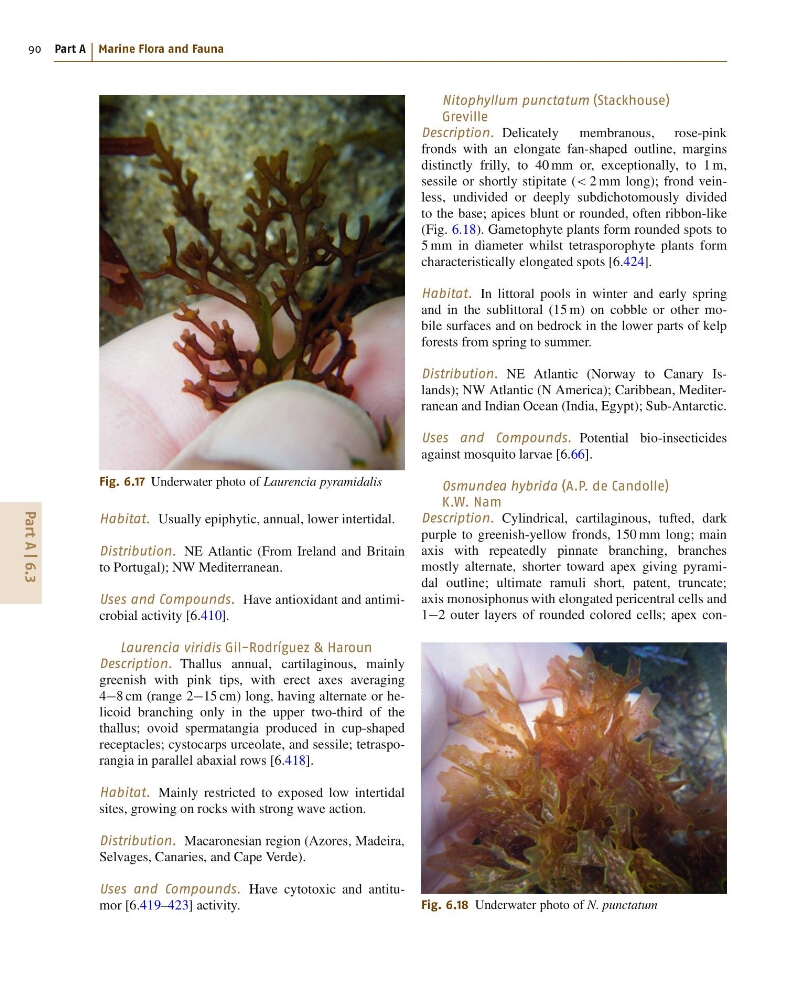
Fig. 6.17 Underwater photo of Laurencia pyramidalis
Habitat. Usually epiphytic, annual, lower intertidal.
Distribution. NE Atlantic (From Ireland and Britain
to Portugal); NW Mediterranean.
Uses and Compounds. Have antioxidant and antimicrobial activity [6.410].
Laurencia viridis Gil-Rodríguez & Haroun
Description. Thallus annual, cartilaginous, mainly
greenish with pink tips, with erect axes averaging
48 cm (range 215 cm) long, having alternate or helicoid branching only in the upper two-third of the
thallus; ovoid spermatangia produced in cup-shaped
receptacles; cystocarps urceolate, and sessile; tetrasporangia in parallel abaxial rows [6.418].
Habitat. Mainly restricted to exposed low intertidal
sites, growing on rocks with strong wave action.
Distribution. Macaronesian region (Azores, Madeira,
Selvages, Canaries, and Cape Verde).
Uses and Compounds. Have cytotoxic and antitumor [6.419–423] activity.
Nitophyllum punctatum (Stackhouse)
Greville
Description. Delicately membranous, rose-pink
fronds with an elongate fan-shaped outline, margins
distinctly frilly, to 40 mm or, exceptionally, to 1 m,
sessile or shortly stipitate (< 2 mm long); frond veinless, undivided or deeply subdichotomously divided
to the base; apices blunt or rounded, often ribbon-like
(Fig. 6.18). Gametophyte plants form rounded spots to
5 mm in diameter whilst tetrasporophyte plants form
characteristically elongated spots [6.424].
Habitat. In littoral pools in winter and early spring
and in the sublittoral (15 m) on cobble or other mobile surfaces and on bedrock in the lower parts of kelp
forests from spring to summer.
Distribution. NE Atlantic (Norway to Canary Islands); NW Atlantic (N America); Caribbean, Mediterranean and Indian Ocean (India, Egypt); Sub-Antarctic.
Uses and Compounds. Potential bio-insecticides
against mosquito larvae [6.66].
Osmundea hybrida (A.P. de Candolle)
K.W. Nam
Description. Cylindrical, cartilaginous, tufted, dark
purple to greenish-yellow fronds, 150 mm long; main
axis with repeatedly pinnate branching, branches
mostly alternate, shorter toward apex giving pyramidal outline; ultimate ramuli short, patent, truncate;
axis monosiphonus with elongated pericentral cells and
12 outer layers of rounded colored cells; apex conFig. 6.18 Underwater photo of N. punctatum
90 Part A Marine Flora and Fauna
Fig. 6.17 Underwater photo of Laurencia pyramidalis
Habitat. Usually epiphytic, annual, lower intertidal.
Distribution. NE Atlantic (From Ireland and Britain
to Portugal); NW Mediterranean.
Uses and Compounds. Have antioxidant and antimicrobial activity [6.410].
Laurencia viridis Gil-Rodríguez & Haroun
Description. Thallus annual, cartilaginous, mainly
greenish with pink tips, with erect axes averaging
48 cm (range 215 cm) long, having alternate or helicoid branching only in the upper two-third of the
thallus; ovoid spermatangia produced in cup-shaped
receptacles; cystocarps urceolate, and sessile; tetrasporangia in parallel abaxial rows [6.418].
Habitat. Mainly restricted to exposed low intertidal
sites, growing on rocks with strong wave action.
Distribution. Macaronesian region (Azores, Madeira,
Selvages, Canaries, and Cape Verde).
Uses and Compounds. Have cytotoxic and antitumor [6.419–423] activity.
Nitophyllum punctatum (Stackhouse)
Greville
Description. Delicately membranous, rose-pink
fronds with an elongate fan-shaped outline, margins
distinctly frilly, to 40 mm or, exceptionally, to 1 m,
sessile or shortly stipitate (< 2 mm long); frond veinless, undivided or deeply subdichotomously divided
to the base; apices blunt or rounded, often ribbon-like
(Fig. 6.18). Gametophyte plants form rounded spots to
5 mm in diameter whilst tetrasporophyte plants form
characteristically elongated spots [6.424].
Habitat. In littoral pools in winter and early spring
and in the sublittoral (15 m) on cobble or other mobile surfaces and on bedrock in the lower parts of kelp
forests from spring to summer.
Distribution. NE Atlantic (Norway to Canary Islands); NW Atlantic (N America); Caribbean, Mediterranean and Indian Ocean (India, Egypt); Sub-Antarctic.
Uses and Compounds. Potential bio-insecticides
against mosquito larvae [6.66].
Osmundea hybrida (A.P. de Candolle)
K.W. Nam
Description. Cylindrical, cartilaginous, tufted, dark
purple to greenish-yellow fronds, 150 mm long; main
axis with repeatedly pinnate branching, branches
mostly alternate, shorter toward apex giving pyramidal outline; ultimate ramuli short, patent, truncate;
axis monosiphonus with elongated pericentral cells and
12 outer layers of rounded colored cells; apex conFig. 6.18 Underwater photo of N. punctatum