

Part A | 6.3
70 Part A Marine Flora and Fauna
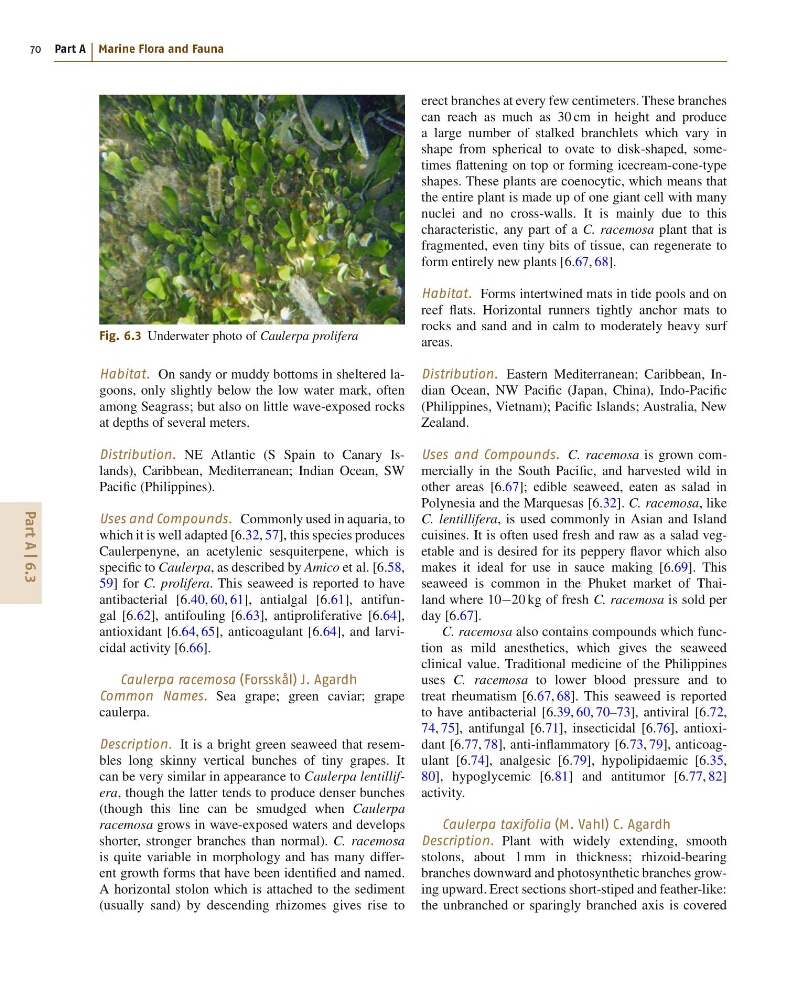
Fig. 6.3 Underwater photo of Caulerpa prolifera
Habitat. On sandy or muddy bottoms in sheltered lagoons, only slightly below the low water mark, often
among Seagrass; but also on little wave-exposed rocks
at depths of several meters.
Distribution. NE Atlantic (S Spain to Canary Islands), Caribbean, Mediterranean; Indian Ocean, SW
Pacific (Philippines).
Uses and Compounds. Commonly used in aquaria, to
which it is well adapted [6.32, 57], this species produces
Caulerpenyne, an acetylenic sesquiterpene, which is
specific to Caulerpa, as described by Amico et al. [6.58,
59] for C. prolifera. This seaweed is reported to have
antibacterial [6.40, 60, 61], antialgal [6.61], antifungal [6.62], antifouling [6.63], antiproliferative [6.64],
antioxidant [6.64, 65], anticoagulant [6.64], and larvicidal activity [6.66].
Caulerpa racemosa (Forsskål) J. Agardh
Common Names. Sea grape; green caviar; grape
caulerpa.
Description. It is a bright green seaweed that resembles long skinny vertical bunches of tiny grapes. It
can be very similar in appearance to Caulerpa lentillifera, though the latter tends to produce denser bunches
(though this line can be smudged when Caulerpa
racemosa grows in wave-exposed waters and develops
shorter, stronger branches than normal). C. racemosa
is quite variable in morphology and has many different growth forms that have been identified and named.
A horizontal stolon which is attached to the sediment
(usually sand) by descending rhizomes gives rise to
erect branches at every few centimeters. These branches
can reach as much as 30 cm in height and produce
a large number of stalked branchlets which vary in
shape from spherical to ovate to disk-shaped, sometimes flattening on top or forming icecream-cone-type
shapes. These plants are coenocytic, which means that
the entire plant is made up of one giant cell with many
nuclei and no cross-walls. It is mainly due to this
characteristic, any part of a C. racemosa plant that is
fragmented, even tiny bits of tissue, can regenerate to
form entirely new plants [6.67, 68].
Habitat. Forms intertwined mats in tide pools and on
reef flats. Horizontal runners tightly anchor mats to
rocks and sand and in calm to moderately heavy surf
areas.
Distribution. Eastern Mediterranean; Caribbean, Indian Ocean, NW Pacific (Japan, China), Indo-Pacific
(Philippines, Vietnam); Pacific Islands; Australia, New
Zealand.
Uses and Compounds. C. racemosa is grown commercially in the South Pacific, and harvested wild in
other areas [6.67]; edible seaweed, eaten as salad in
Polynesia and the Marquesas [6.32]. C. racemosa, like
C. lentillifera, is used commonly in Asian and Island
cuisines. It is often used fresh and raw as a salad vegetable and is desired for its peppery flavor which also
makes it ideal for use in sauce making [6.69]. This
seaweed is common in the Phuket market of Thailand where 1020 kg of fresh C. racemosa is sold per
day [6.67].
C. racemosa also contains compounds which function as mild anesthetics, which gives the seaweed
clinical value. Traditional medicine of the Philippines
uses C. racemosa to lower blood pressure and to
treat rheumatism [6.67, 68]. This seaweed is reported
to have antibacterial [6.39, 60, 70–73], antiviral [6.72,
74, 75], antifungal [6.71], insecticidal [6.76], antioxidant [6.77, 78], anti-inflammatory [6.73, 79], anticoagulant [6.74], analgesic [6.79], hypolipidaemic [6.35,
80], hypoglycemic [6.81] and antitumor [6.77, 82]
activity.
Caulerpa taxifolia (M. Vahl) C. Agardh
Description. Plant with widely extending, smooth
stolons, about 1 mm in thickness; rhizoid-bearing
branches downward and photosynthetic branches growing upward. Erect sections short-stiped and feather-like:
the unbranched or sparingly branched axis is covered
70 Part A Marine Flora and Fauna
Fig. 6.3 Underwater photo of Caulerpa prolifera
Habitat. On sandy or muddy bottoms in sheltered lagoons, only slightly below the low water mark, often
among Seagrass; but also on little wave-exposed rocks
at depths of several meters.
Distribution. NE Atlantic (S Spain to Canary Islands), Caribbean, Mediterranean; Indian Ocean, SW
Pacific (Philippines).
Uses and Compounds. Commonly used in aquaria, to
which it is well adapted [6.32, 57], this species produces
Caulerpenyne, an acetylenic sesquiterpene, which is
specific to Caulerpa, as described by Amico et al. [6.58,
59] for C. prolifera. This seaweed is reported to have
antibacterial [6.40, 60, 61], antialgal [6.61], antifungal [6.62], antifouling [6.63], antiproliferative [6.64],
antioxidant [6.64, 65], anticoagulant [6.64], and larvicidal activity [6.66].
Caulerpa racemosa (Forsskål) J. Agardh
Common Names. Sea grape; green caviar; grape
caulerpa.
Description. It is a bright green seaweed that resembles long skinny vertical bunches of tiny grapes. It
can be very similar in appearance to Caulerpa lentillifera, though the latter tends to produce denser bunches
(though this line can be smudged when Caulerpa
racemosa grows in wave-exposed waters and develops
shorter, stronger branches than normal). C. racemosa
is quite variable in morphology and has many different growth forms that have been identified and named.
A horizontal stolon which is attached to the sediment
(usually sand) by descending rhizomes gives rise to
erect branches at every few centimeters. These branches
can reach as much as 30 cm in height and produce
a large number of stalked branchlets which vary in
shape from spherical to ovate to disk-shaped, sometimes flattening on top or forming icecream-cone-type
shapes. These plants are coenocytic, which means that
the entire plant is made up of one giant cell with many
nuclei and no cross-walls. It is mainly due to this
characteristic, any part of a C. racemosa plant that is
fragmented, even tiny bits of tissue, can regenerate to
form entirely new plants [6.67, 68].
Habitat. Forms intertwined mats in tide pools and on
reef flats. Horizontal runners tightly anchor mats to
rocks and sand and in calm to moderately heavy surf
areas.
Distribution. Eastern Mediterranean; Caribbean, Indian Ocean, NW Pacific (Japan, China), Indo-Pacific
(Philippines, Vietnam); Pacific Islands; Australia, New
Zealand.
Uses and Compounds. C. racemosa is grown commercially in the South Pacific, and harvested wild in
other areas [6.67]; edible seaweed, eaten as salad in
Polynesia and the Marquesas [6.32]. C. racemosa, like
C. lentillifera, is used commonly in Asian and Island
cuisines. It is often used fresh and raw as a salad vegetable and is desired for its peppery flavor which also
makes it ideal for use in sauce making [6.69]. This
seaweed is common in the Phuket market of Thailand where 1020 kg of fresh C. racemosa is sold per
day [6.67].
C. racemosa also contains compounds which function as mild anesthetics, which gives the seaweed
clinical value. Traditional medicine of the Philippines
uses C. racemosa to lower blood pressure and to
treat rheumatism [6.67, 68]. This seaweed is reported
to have antibacterial [6.39, 60, 70–73], antiviral [6.72,
74, 75], antifungal [6.71], insecticidal [6.76], antioxidant [6.77, 78], anti-inflammatory [6.73, 79], anticoagulant [6.74], analgesic [6.79], hypolipidaemic [6.35,
80], hypoglycemic [6.81] and antitumor [6.77, 82]
activity.
Caulerpa taxifolia (M. Vahl) C. Agardh
Description. Plant with widely extending, smooth
stolons, about 1 mm in thickness; rhizoid-bearing
branches downward and photosynthetic branches growing upward. Erect sections short-stiped and feather-like:
the unbranched or sparingly branched axis is covered