

526
the development involves smaller areas intended for rice production. This type of
development also includes the polder Popina (Fig. 17.10).
According to various studies conducted by the researchers of the National
Danube Delta Research and Development Institute, only 40% of the whole
Murighiol-Dunavat polder was originally cultivated, whereas most of the surface of
this polder is covered by organic deposits. The various studies carried out at that
time (Munteanu 1979) clearly noted the major difficulties encountered during the
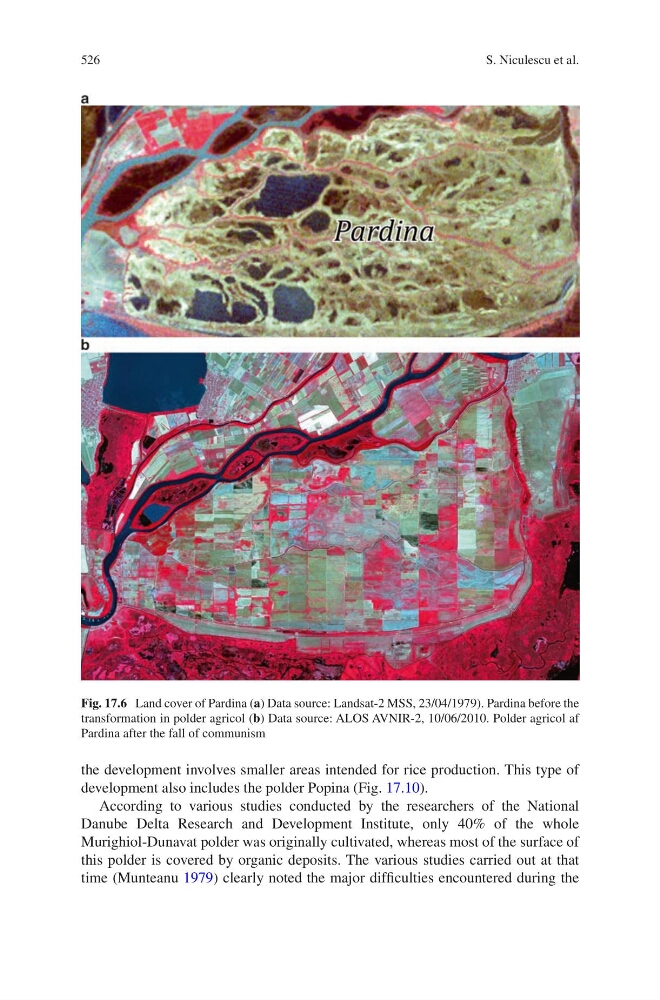
Fig. 17.6 Land cover of Pardina (a) Data source: Landsat-2 MSS, 23/04/1979). Pardina before the
transformation in polder agricol (b) Data source: ALOS AVNIR-2, 10/06/2010. Polder agricol af
Pardina after the fall of communism
S. Niculescu et al.
the development involves smaller areas intended for rice production. This type of
development also includes the polder Popina (Fig. 17.10).
According to various studies conducted by the researchers of the National
Danube Delta Research and Development Institute, only 40% of the whole
Murighiol-Dunavat polder was originally cultivated, whereas most of the surface of
this polder is covered by organic deposits. The various studies carried out at that
time (Munteanu 1979) clearly noted the major difficulties encountered during the
Fig. 17.6 Land cover of Pardina (a) Data source: Landsat-2 MSS, 23/04/1979). Pardina before the
transformation in polder agricol (b) Data source: ALOS AVNIR-2, 10/06/2010. Polder agricol af
Pardina after the fall of communism
S. Niculescu et al.