

495
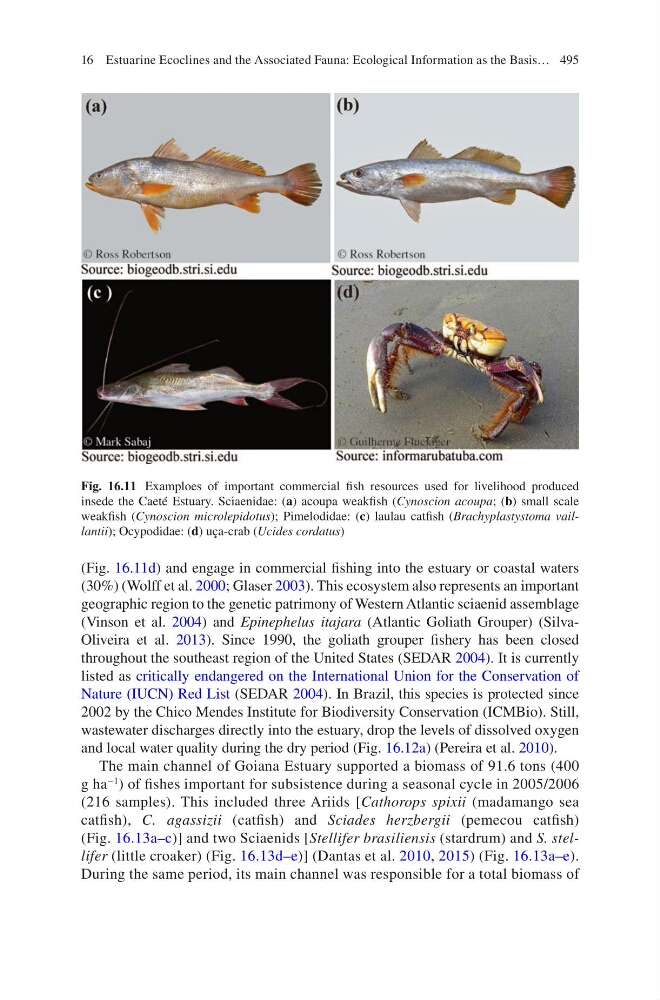
(Fig. 16.11d) and engage in commercial fishing into the estuary or coastal waters
(30%) (Wolff et al. 2000; Glaser 2003). This ecosystem also represents an important
geographic region to the genetic patrimony of Western Atlantic sciaenid assemblage
(Vinson et al. 2004) and Epinephelus itajara (Atlantic Goliath Grouper) (SilvaOliveira et al. 2013). Since 1990, the goliath grouper fishery has been closed
throughout the southeast region of the United States (SEDAR 2004). It is currently
listed as critically endangered on the International Union for the Conservation of
Nature (IUCN) Red List (SEDAR 2004). In Brazil, this species is protected since
2002 by the Chico Mendes Institute for Biodiversity Conservation (ICMBio). Still,
wastewater discharges directly into the estuary, drop the levels of dissolved oxygen
and local water quality during the dry period (Fig. 16.12a) (Pereira et al. 2010).
The main channel of Goiana Estuary supported a biomass of 91.6 tons (400
g ha
−1
) of fishes important for subsistence during a seasonal cycle in 2005/2006
(216 samples). This included three Ariids [Cathorops spixii (madamango sea
catfish), C. agassizii (catfish) and Sciades herzbergii (pemecou catfish)
(Fig. 16.13a–c)] and two Sciaenids [Stellifer brasiliensis (stardrum) and S. stellifer (little croaker) (Fig. 16.13d–e)] (Dantas et al. 2010, 2015) (Fig. 16.13a–e).
During the same period, its main channel was responsible for a total biomass of
Fig. 16.11 Examploes of important commercial fish resources used for livelihood produced
insede the Caeté Estuary. Sciaenidae: (a) acoupa weakfish (Cynoscion acoupa; (b) small scale
weakfish (Cynoscion microlepidotus); Pimelodidae: (c) laulau catfish (Brachyplastystoma vaillantii); Ocypodidae: (d) uça-crab (Ucides cordatus)
16 Estuarine Ecoclines and the Associated Fauna: Ecological Information as the Basis…
(Fig. 16.11d) and engage in commercial fishing into the estuary or coastal waters
(30%) (Wolff et al. 2000; Glaser 2003). This ecosystem also represents an important
geographic region to the genetic patrimony of Western Atlantic sciaenid assemblage
(Vinson et al. 2004) and Epinephelus itajara (Atlantic Goliath Grouper) (SilvaOliveira et al. 2013). Since 1990, the goliath grouper fishery has been closed
throughout the southeast region of the United States (SEDAR 2004). It is currently
listed as critically endangered on the International Union for the Conservation of
Nature (IUCN) Red List (SEDAR 2004). In Brazil, this species is protected since
2002 by the Chico Mendes Institute for Biodiversity Conservation (ICMBio). Still,
wastewater discharges directly into the estuary, drop the levels of dissolved oxygen
and local water quality during the dry period (Fig. 16.12a) (Pereira et al. 2010).
The main channel of Goiana Estuary supported a biomass of 91.6 tons (400
g ha
−1
) of fishes important for subsistence during a seasonal cycle in 2005/2006
(216 samples). This included three Ariids [Cathorops spixii (madamango sea
catfish), C. agassizii (catfish) and Sciades herzbergii (pemecou catfish)
(Fig. 16.13a–c)] and two Sciaenids [Stellifer brasiliensis (stardrum) and S. stellifer (little croaker) (Fig. 16.13d–e)] (Dantas et al. 2010, 2015) (Fig. 16.13a–e).
During the same period, its main channel was responsible for a total biomass of
Fig. 16.11 Examploes of important commercial fish resources used for livelihood produced
insede the Caeté Estuary. Sciaenidae: (a) acoupa weakfish (Cynoscion acoupa; (b) small scale
weakfish (Cynoscion microlepidotus); Pimelodidae: (c) laulau catfish (Brachyplastystoma vaillantii); Ocypodidae: (d) uça-crab (Ucides cordatus)
16 Estuarine Ecoclines and the Associated Fauna: Ecological Information as the Basis…