

371
attacks and eutrophicated water bodies with surface encrusted algae mats.
Regeneration problems of mangroves are also achieved due to surface instability
of swamp tract under frequent salt water flooding incidences.
11.4.2 Mangrove Degradation Checklists for Southwest
Sundarban
The vegetation vigourness status analysis along with the identification of vegetation
density differences through Geo-spatial technology reveals the nature of coastal
wetland degradations in buffer areas of Sundarban reserve forest in West Bengal
(India). Other human effects as well as the effects of marine, forcing factors related
to sea level rise (Raha et al. 2014) are visible in the region for the rapid rate of mangrove wetlands degradations at present (Figs. 11.8, 11.9, 11.10, 11.11, and 11.12).
Monitoring coastal geomorphology in the West Bengal portion of Sundarban over
the decades of 1980s, 1990s and 2000 millennium years, considering with the
review of existing literature documents for Sundarban land reclamation process and
cyclone effects, it is established that coastal wetlands of Sundatban have been
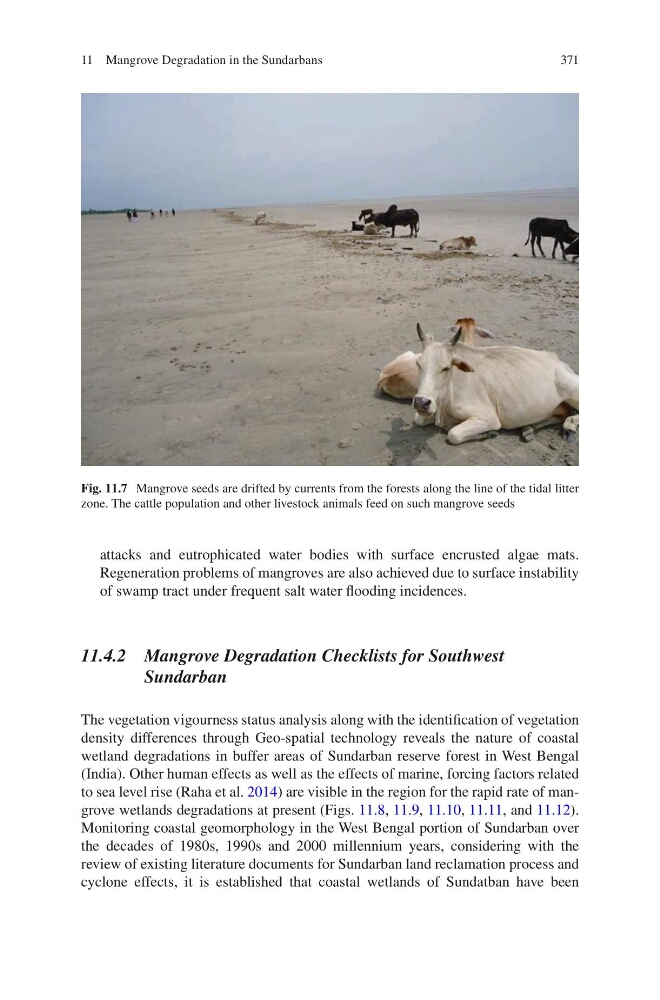
Fig. 11.7 Mangrove seeds are drifted by currents from the forests along the line of the tidal litter
zone. The cattle population and other livestock animals feed on such mangrove seeds
11 Mangrove Degradation in the Sundarbans
attacks and eutrophicated water bodies with surface encrusted algae mats.
Regeneration problems of mangroves are also achieved due to surface instability
of swamp tract under frequent salt water flooding incidences.
11.4.2 Mangrove Degradation Checklists for Southwest
Sundarban
The vegetation vigourness status analysis along with the identification of vegetation
density differences through Geo-spatial technology reveals the nature of coastal
wetland degradations in buffer areas of Sundarban reserve forest in West Bengal
(India). Other human effects as well as the effects of marine, forcing factors related
to sea level rise (Raha et al. 2014) are visible in the region for the rapid rate of mangrove wetlands degradations at present (Figs. 11.8, 11.9, 11.10, 11.11, and 11.12).
Monitoring coastal geomorphology in the West Bengal portion of Sundarban over
the decades of 1980s, 1990s and 2000 millennium years, considering with the
review of existing literature documents for Sundarban land reclamation process and
cyclone effects, it is established that coastal wetlands of Sundatban have been
Fig. 11.7 Mangrove seeds are drifted by currents from the forests along the line of the tidal litter
zone. The cattle population and other livestock animals feed on such mangrove seeds
11 Mangrove Degradation in the Sundarbans