

163
For this purpose, in this chapter, we adopted the concept of “wetlands” according
to the Convention on the International Importance of Wetlands (RAMSAR), published by the Decree no. 1.905, May 16, 1996:
[…] wetlands are areas of marsh, fen, peatland or water, whether natural or artificial,
permanent or temporary, with water that is static or flowing, fresh, brackish or salt, including
areas of marine water the depth of which at low tide does not exceed six metres. (Brasil
1996, p. 2)
This concept is in accordance with the inventory of wetlands for the Neotropical
region published by Scott and Carbonell (1986) who listed 19 types of tropical wetland environments:
1. Shallow and narrow bays;
2. Estuaries and deltas;
3. Small islands near the coast, islets;
4. Rocky coastlines, headlands;
5. Marine beaches (sand, pebbles);
6. Intertidal marsh zones, sand;
7. Lagunas and coastal marshes of brackish or salt water, saline;
8. Mangroves, mangrove forests;
9. Slow running rivers, streams (permanent lowlands);
10. Fast-flowing rivers, streams (permanent upland);
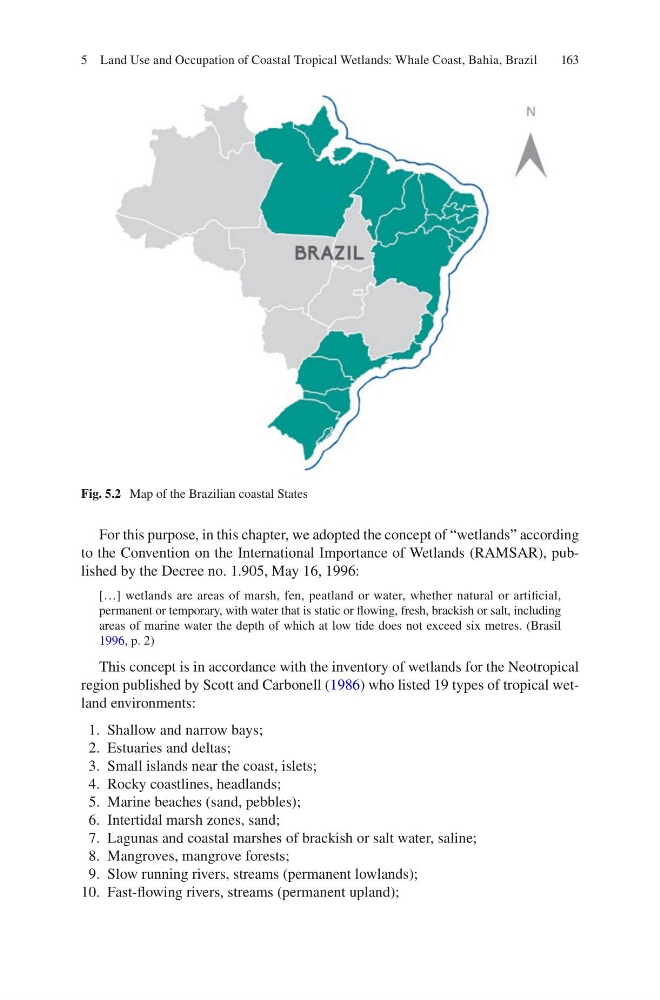
Fig. 5.2 Map of the Brazilian coastal States
5 Land Use and Occupation of Coastal Tropical Wetlands: Whale Coast, Bahia, Brazil
For this purpose, in this chapter, we adopted the concept of “wetlands” according
to the Convention on the International Importance of Wetlands (RAMSAR), published by the Decree no. 1.905, May 16, 1996:
[…] wetlands are areas of marsh, fen, peatland or water, whether natural or artificial,
permanent or temporary, with water that is static or flowing, fresh, brackish or salt, including
areas of marine water the depth of which at low tide does not exceed six metres. (Brasil
1996, p. 2)
This concept is in accordance with the inventory of wetlands for the Neotropical
region published by Scott and Carbonell (1986) who listed 19 types of tropical wetland environments:
1. Shallow and narrow bays;
2. Estuaries and deltas;
3. Small islands near the coast, islets;
4. Rocky coastlines, headlands;
5. Marine beaches (sand, pebbles);
6. Intertidal marsh zones, sand;
7. Lagunas and coastal marshes of brackish or salt water, saline;
8. Mangroves, mangrove forests;
9. Slow running rivers, streams (permanent lowlands);
10. Fast-flowing rivers, streams (permanent upland);
Fig. 5.2 Map of the Brazilian coastal States
5 Land Use and Occupation of Coastal Tropical Wetlands: Whale Coast, Bahia, Brazil