

Photosynthesis of Vascular Plants
423
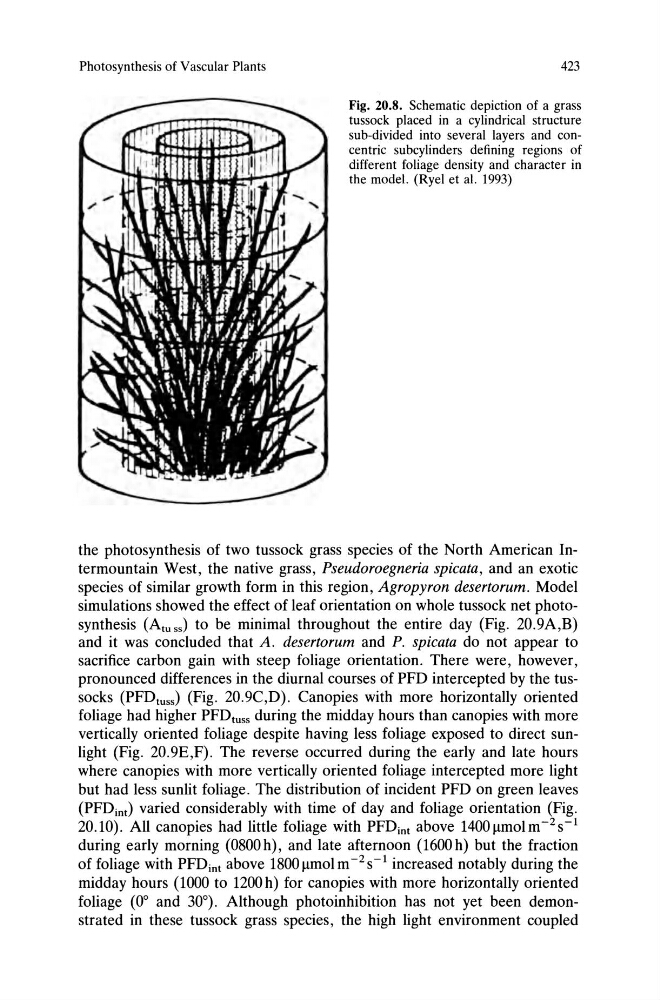
Fig. 20.S. Schematic depiction of a grass
tussock placed in a cylindrical structure
sub-divided into several layers and concentric subcylinders defining regions of
different foliage density and character in
the model. (Ryel et al. 1993)
the photosynthesis of two tussock grass species of the North American Intermountain West, the native grass, Pseudoroegneria spicata, and an exotic
species of similar growth form in this region, Agropyron desertorum. Model
simulations showed the effect of leaf orientation on whole tussock net photosynthesis (Atu ss) to be minimal throughout the entire day (Fig. 20.9A,B)
and it was concluded that A. desertorum and P. spicata do not appear to
sacrifice carbon gain with steep foliage orientation. There were, however,
pronounced differences in the diurnal courses of PFD intercepted by the tussocks (PFDtuss) (Fig. 20.9C,D). Canopies with more horizontally oriented
foliage had higher PFDtuss during the midday hours than canopies with more
vertically oriented foliage despite having less foliage exposed to direct sunlight (Fig. 20.9E,F). The reverse occurred during the early and late hours
where canopies with more vertically oriented foliage intercepted more light
but had less sunlit foliage. The distribution of incident PFD on green leaves
(PFDint) varied considerably with time of day and foliage orientation (Fig.
20.10). All canopies had little foliage with PFD int above 1400I-lmolm-2s-1
during early morning (0800 h), and late afternoon (1600 h) but the fraction
of foliage with PFD int above 1800 I-lmol m -2 s -1 increased notably during the
midday hours (1000 to 1200 h) for canopies with more horizontally oriented
foliage (0° and 30°). Although photoinhibition has not yet been demonstrated in these tussock grass species, the high light environment coupled
423
Fig. 20.S. Schematic depiction of a grass
tussock placed in a cylindrical structure
sub-divided into several layers and concentric subcylinders defining regions of
different foliage density and character in
the model. (Ryel et al. 1993)
the photosynthesis of two tussock grass species of the North American Intermountain West, the native grass, Pseudoroegneria spicata, and an exotic
species of similar growth form in this region, Agropyron desertorum. Model
simulations showed the effect of leaf orientation on whole tussock net photosynthesis (Atu ss) to be minimal throughout the entire day (Fig. 20.9A,B)
and it was concluded that A. desertorum and P. spicata do not appear to
sacrifice carbon gain with steep foliage orientation. There were, however,
pronounced differences in the diurnal courses of PFD intercepted by the tussocks (PFDtuss) (Fig. 20.9C,D). Canopies with more horizontally oriented
foliage had higher PFDtuss during the midday hours than canopies with more
vertically oriented foliage despite having less foliage exposed to direct sunlight (Fig. 20.9E,F). The reverse occurred during the early and late hours
where canopies with more vertically oriented foliage intercepted more light
but had less sunlit foliage. The distribution of incident PFD on green leaves
(PFDint) varied considerably with time of day and foliage orientation (Fig.
20.10). All canopies had little foliage with PFD int above 1400I-lmolm-2s-1
during early morning (0800 h), and late afternoon (1600 h) but the fraction
of foliage with PFD int above 1800 I-lmol m -2 s -1 increased notably during the
midday hours (1000 to 1200 h) for canopies with more horizontally oriented
foliage (0° and 30°). Although photoinhibition has not yet been demonstrated in these tussock grass species, the high light environment coupled