

145
Figure 5.10 shows the percentage of the decomposed and residual organic carbon
(R-SOC) after 100 days. The percentage of residual organic carbon ranged from
46% to 77% of the total SOC in the intertidal zone, with about half the organic matter decomposed. In contrast, this range was 77–98% in the subtidal zone, and most
organic carbon remained in the sedimentary layer. Thus, the carbon storage effect is
higher in the subtidal zone than in the intertidal zone. In other words, 20–50% of the
organic matter accumulated on sediment decomposes in the intertidal zone, whereas
only 20–25% of it decomposes in the subtidal zone. Although the subtidal area
serves a carbon storage function in the benthic ecosystem, deposited organic matter
continues to accumulate as sludge, and it could be a source of hypoxia in some
cases.
Filtrate seawater
Open
Anaerobic sediment
5 g
50 ml
10 g
100 ml
Filtrate seawater
aerobic sediment
SILICOSEN® sterile stopper
shaking apparatus (50 rpm)
anaerobic jar (nitrogen substitution)
(a)
(b)
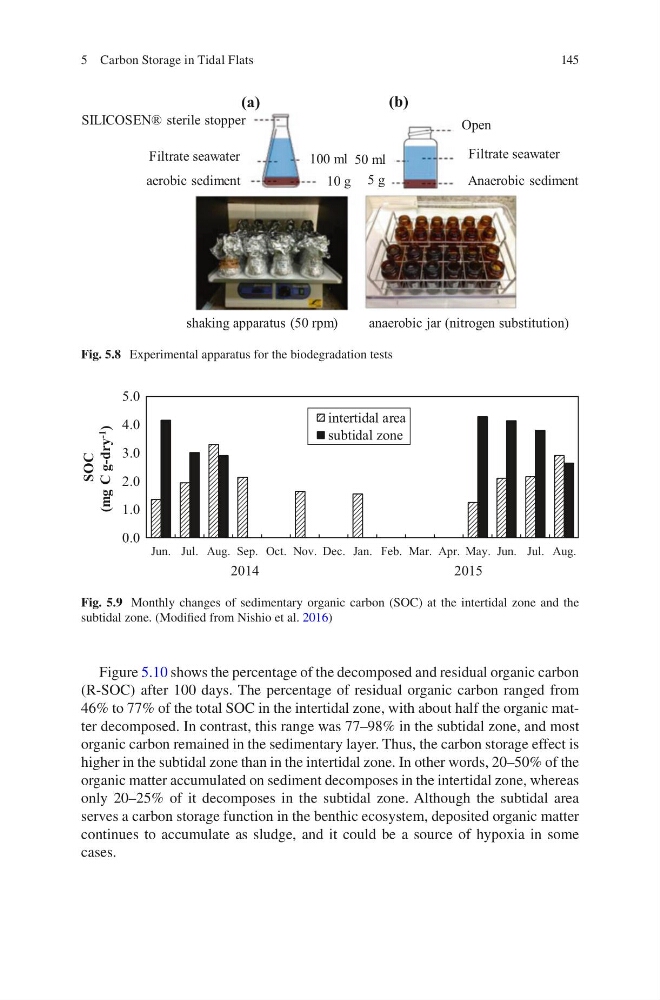
Fig. 5.8 Experimental apparatus for the biodegradation tests
SOC
(mg C g-dry -1
)
2014
0.0
1.0
2.0
3.0
4.0
5.0
Jun. Jul. Aug. Sep. Oct. Nov. Dec. Jan. Feb. Mar. Apr. May. Jun. Jul. Aug.
intertidal area
subtidal zone
2015
Fig. 5.9 Monthly changes of sedimentary organic carbon (SOC) at the intertidal zone and the
subtidal zone. (Modified from Nishio et al. 2016)
5 Carbon Storage in Tidal Flats
Figure 5.10 shows the percentage of the decomposed and residual organic carbon
(R-SOC) after 100 days. The percentage of residual organic carbon ranged from
46% to 77% of the total SOC in the intertidal zone, with about half the organic matter decomposed. In contrast, this range was 77–98% in the subtidal zone, and most
organic carbon remained in the sedimentary layer. Thus, the carbon storage effect is
higher in the subtidal zone than in the intertidal zone. In other words, 20–50% of the
organic matter accumulated on sediment decomposes in the intertidal zone, whereas
only 20–25% of it decomposes in the subtidal zone. Although the subtidal area
serves a carbon storage function in the benthic ecosystem, deposited organic matter
continues to accumulate as sludge, and it could be a source of hypoxia in some
cases.
Filtrate seawater
Open
Anaerobic sediment
5 g
50 ml
10 g
100 ml
Filtrate seawater
aerobic sediment
SILICOSEN® sterile stopper
shaking apparatus (50 rpm)
anaerobic jar (nitrogen substitution)
(a)
(b)
Fig. 5.8 Experimental apparatus for the biodegradation tests
SOC
(mg C g-dry -1
)
2014
0.0
1.0
2.0
3.0
4.0
5.0
Jun. Jul. Aug. Sep. Oct. Nov. Dec. Jan. Feb. Mar. Apr. May. Jun. Jul. Aug.
intertidal area
subtidal zone
2015
Fig. 5.9 Monthly changes of sedimentary organic carbon (SOC) at the intertidal zone and the
subtidal zone. (Modified from Nishio et al. 2016)
5 Carbon Storage in Tidal Flats